Abstract
A torque limiter is a critical mechanical protection device designed to prevent machinery damage caused by overload torque. In industrial power transmission systems, sudden jamming, misalignment, or excessive load can lead to catastrophic failures. This article explains how a torque limiter works, its key types, selection considerations, and real-world applications. It also provides practical guidance for engineers and maintenance teams aiming to improve equipment safety, reduce downtime, and extend machine lifespan.
Article Outline
-
Introduction to torque overload risks in mechanical systems
-
Core operating principle of torque limiters
-
Classification and design variations
-
Industrial use cases across sectors
-
Engineering criteria for selection
-
Preventive maintenance strategies
-
Comparison with couplings, shear pins, and clutches
-
Practical FAQs for field engineers
What Is a Torque Limiter?
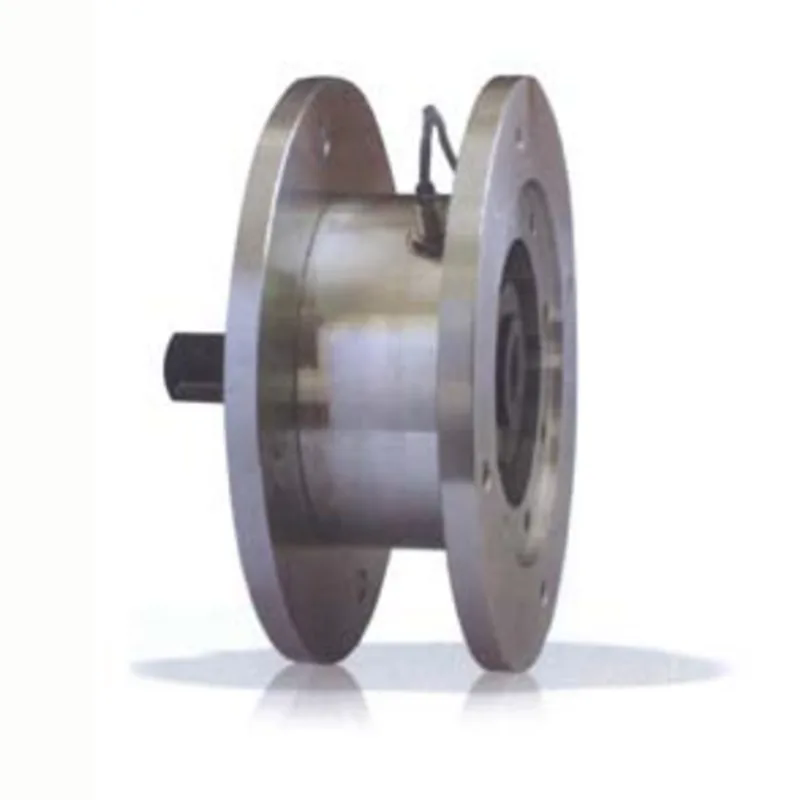
A torque limiter is a mechanical safety device installed within a power transmission system to protect equipment from overload conditions. It acts as a mechanical fuse, disengaging or slipping when torque exceeds a preset threshold. This prevents damage to motors, gearboxes, shafts, and driven machinery.
Unlike electronic overload protection systems, torque limiters respond instantly to mechanical conditions, making them highly reliable in harsh industrial environments where dust, vibration, and shock loads are common.
How a Torque Limiter Works
The operating principle of a torque limiter is based on controlled disengagement or slippage when excessive torque is detected. In normal operation, torque is transmitted from the input shaft to the output shaft through friction plates, ball detents, or mechanical locking elements.
When torque exceeds the preset limit, the internal mechanism activates one of the following responses:
-
Slip Mechanism: Friction surfaces slide against each other, limiting torque transmission.
-
Disengagement Mechanism: Mechanical elements separate completely, breaking the torque path.
-
Reset Mechanism: The device automatically or manually re-engages once overload is removed.
This controlled reaction prevents mechanical stress from propagating through the system, significantly reducing the risk of costly breakdowns.
Main Types of Torque Limiters
Different torque limiter designs are used depending on application requirements such as precision, load variability, and operating speed.
|
Type
|
Working Principle
|
Key Advantages
|
Typical Applications
|
|
Friction Torque Limiter
|
Uses friction plates to slip at overload
|
Smooth operation, adjustable torque
|
Conveyors, packaging machines
|
|
Ball Detent Torque Limiter
|
Steel balls disengage from grooves
|
High precision, quick reset
|
Automation equipment, robotics
|
|
Shear Pin Type
|
Pin breaks under excessive torque
|
Simple, low cost
|
Heavy-duty industrial drives
|
|
Magnetic Torque Limiter
|
Uses magnetic force coupling
|
No mechanical wear, smooth slip
|
High-speed precision systems
|
Each type offers different performance characteristics, making correct selection essential for system efficiency and protection.
Industrial Applications
Torque limiters are widely used across industries where mechanical overload can result in downtime or safety risks. Common applications include:
-
Conveyor systems in mining and logistics
-
Packaging and bottling machines
-
Food processing equipment
-
Printing and textile machinery
-
Industrial robotics and automation lines
-
Agricultural machinery such as harvesters and feeders
In each case, the torque limiter acts as a protective buffer, ensuring continuous operation even under unpredictable load conditions.
How to Choose the Right Torque Limiter
Selecting the correct torque limiter requires careful evaluation of operating conditions and system requirements. Key factors include:
-
Torque Range: Must match normal operating torque with an appropriate safety margin.
-
Speed Rating: High-speed systems require dynamically balanced designs.
-
Environment: Dust, moisture, and temperature affect material selection.
-
Reset Method: Manual or automatic reset depending on downtime sensitivity.
-
Maintenance Access: Ease of inspection and adjustment.
Incorrect selection can lead to premature wear, nuisance disengagement, or insufficient protection.
Maintenance and Troubleshooting
Proper maintenance ensures long service life and reliable protection performance. Recommended practices include:
-
Regular inspection of friction surfaces for wear
-
Checking torque settings periodically
-
Lubricating components where required by design
-
Ensuring alignment of connected shafts
-
Monitoring for abnormal noise or vibration
Common issues include torque drift, unexpected slipping, and delayed re-engagement. These are often caused by wear, contamination, or incorrect calibration.
Torque Limiter vs Other Protection Devices
|
Device
|
Protection Method
|
Advantages
|
Limitations
|
|
Torque Limiter
|
Mechanical disengagement or slip
|
Immediate response, reusable
|
Requires periodic adjustment
|
|
Shear Pin
|
Mechanical failure of pin
|
Very simple design
|
Requires replacement after activation
|
|
Overload Clutch
|
Controlled disengagement clutch
|
Automatic reset possible
|
Higher cost
|
|
Electronic Protection
|
Sensor-based shutdown
|
Precise monitoring
|
Dependent on control system
|
Compared with other solutions, torque limiters provide a balanced combination of reliability, cost efficiency, and mechanical simplicity.
FAQ
Q1: What is the main purpose of a torque limiter?
It protects mechanical systems from overload damage by limiting or interrupting torque transmission.
Q2: Can a torque limiter be reused after activation?
Most modern torque limiters are reusable after reset, unlike shear pin systems.
Q3: How often should a torque limiter be inspected?
Inspection intervals depend on operating conditions, but quarterly checks are common in industrial use.
Q4: What causes torque limiter slipping?
Common causes include overload conditions, wear of friction surfaces, or incorrect torque settings.
Q5: Are torque limiters suitable for high-speed applications?
Yes, but only specifically designed high-speed models with proper balancing should be used.
Conclusion & Contact
Torque limiters are essential components in modern mechanical power transmission systems. By providing reliable overload protection, they prevent costly equipment damage and improve operational safety. Understanding their working principle, types, and selection criteria allows engineers to optimize system performance and reduce downtime.
High-quality torque limiter solutions are available from experienced manufacturers such as Shanghai Jiteng, which focuses on robust and precision-engineered transmission components designed for industrial reliability.
For technical consultation, product selection support, or customized torque limiter solutions, Shanghai Jiteng is ready to assist your engineering needs.
Contact us today to explore how our torque limiter solutions can enhance the safety and efficiency of your machinery systems.