

How Does a Turnbuckle Improve Load Stability in Construction Projects
2026-03-04
In the demanding environment of construction, achieving load stability is non-negotiable. Whether securing scaffolding, bracing structural walls, or tensioning cable rails, the integrity of the rigging depends on precise adjustments. This is where the Turnbuckle becomes indispensable. At Kingslings, we understand that reliable hardware is the backbone of safe worksites. A Turnbuckle provides the mechanical advantage needed to fine-tune tension, eliminate slack, and ensure that loads remain static under dynamic conditions, significantly reducing the risk of structural failure.
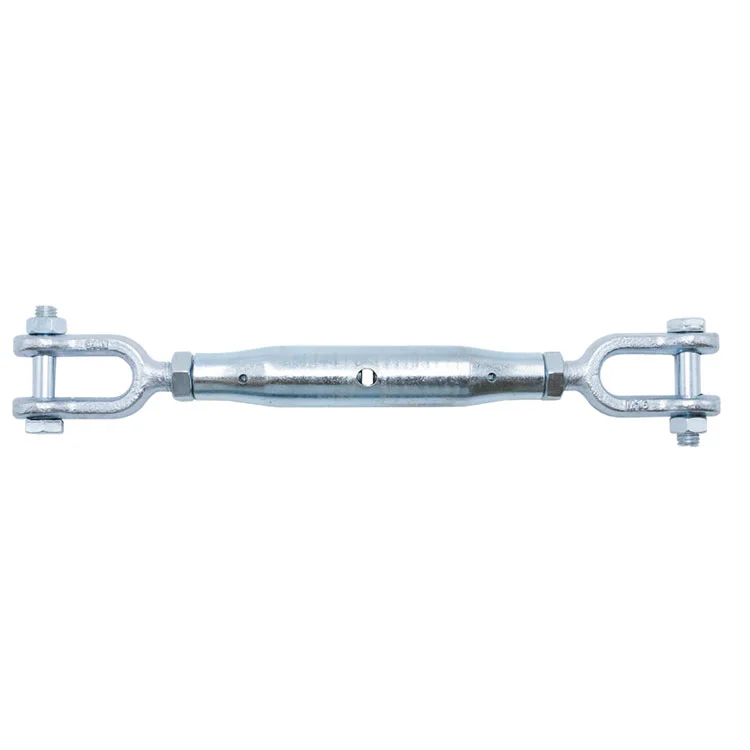
The Mechanical Advantage of Tensioning
A Turnbuckle typically consists of two threaded eye bolts or hooks connected by a central metal frame. By rotating the body, the ends draw together or apart, allowing for micro-adjustments in tension that are impossible with fixed-length cables or rods. This functionality directly enhances load stability by compensating for material stretch, thermal expansion, or minor settling in the structure.
Key Benefits in Construction Applications
The use of a high-quality Turnbuckle from Kingslings offers specific advantages on site:
-
Precision Alignment: Allows workers to plumb or level structural elements by adjusting tension incrementally.
-
Vibration Dampening: Properly tensioned assemblies reduce wobble and oscillation caused by wind or machinery.
-
Load Distribution: Ensures that tension is evenly shared across multiple points in a rigging system, preventing point loading.
-
Adaptability: Easily integrates with wire rope, chain, or rod systems used in bracing and suspension.
Types of Turnbuckles and Common Load Ratings
Selecting the correct Turnbuckle is critical for safety. Below is a general guide to common types and their typical applications, based on Kingslings industry standards.
| Turnbuckle Type | Typical End Fittings | Common Construction Use | General Load Capacity Range |
|---|---|---|---|
| Hook & Hook | Hook on both ends | Temporary bracing, chain tensioning | 500 kg - 2,000 kg |
| Eye & Eye | Circular eye on both ends | Permanent cable railings, suspended ceilings | 1,000 kg - 5,000 kg |
| Jaw & Jaw | Clevis (fork) ends | Connecting to lugs or brackets with pins | 2,000 kg - 8,000 kg |
| Stub & Stub | Short threaded rod ends | Heavy structural bracing and tiebacks | 5,000 kg - 15,000 kg+ |
Note: Always consult the specific load chart provided by Kingslings for exact Working Load Limits (WLL).
Turn Buckle FAQ: Common Questions Answered
To further clarify the role of this hardware in ensuring load stability, here are answers to frequently asked questions regarding the Turn Buckle.
What is the primary difference between a turnbuckle and a tensioner?
A Turnbuckle is a specific type of tensioning device that relies on a threaded body to draw two fittings together. While all turnbuckles are tensioners, not all tensioners offer the same level of fine-thread adjustment. The Turnbuckle excels in applications requiring incremental, precise tensioning without the use of heavy hydraulic tools, making it ideal for on-site construction adjustments.
How often should a turnbuckle be inspected during a long-term project?
For critical load stability applications, Turnbuckle hardware should be inspected weekly if exposed to dynamic loads or vibration. During monthly structural inspections, a Kingslings technician recommends checking for thread deformation, corrosion, and end-fitting fatigue. Any Turnbuckle showing signs of bent components must be immediately removed from service, as this directly compromises its ability to maintain tension.
Can a turnbuckle be used for both tension and compression?
While the name implies tensioning, a Turnbuckle is designed to handle both tension and light compression, depending on its construction. However, in construction projects, they are primarily used for tension to ensure load stability. Using a Turnbuckle for significant compression loads (pushing) can risk buckling the central body. For applications involving push forces, always verify the specific design limits with the manufacturer, such as Kingslings, to ensure the component is rated for that type of stress.
Conclusion: Secure Your Loads with Kingslings
Ensuring load stability on your site directly impacts safety and efficiency. The humble Turnbuckle plays a massive role in achieving this security, from fine-tuning cable railings to bracing heavy steel structures. Do not leave your tensioning to chance.
Contact us today at Kingslings to discuss your project requirements or to browse our certified range of heavy-duty rigging hardware. Let our experts help you select the perfect Turnbuckle for your next build.
