

How Does an Air Source Ozone Generator Improve Industrial and Commercial Air Treatment?
2026-02-06
Article Abstract
Air quality control has become a critical concern in industrial, commercial, and specialized environmental applications. Odor accumulation, microbial contamination, and persistent airborne pollutants directly affect operational efficiency, regulatory compliance, and human comfort. An Air Source Ozone Generator is widely applied as an advanced oxidation solution to address these challenges at their source. This article explains how an Air Source Ozone Generator works, what problems it solves, how to select the right system, and where it delivers measurable value across different industries.
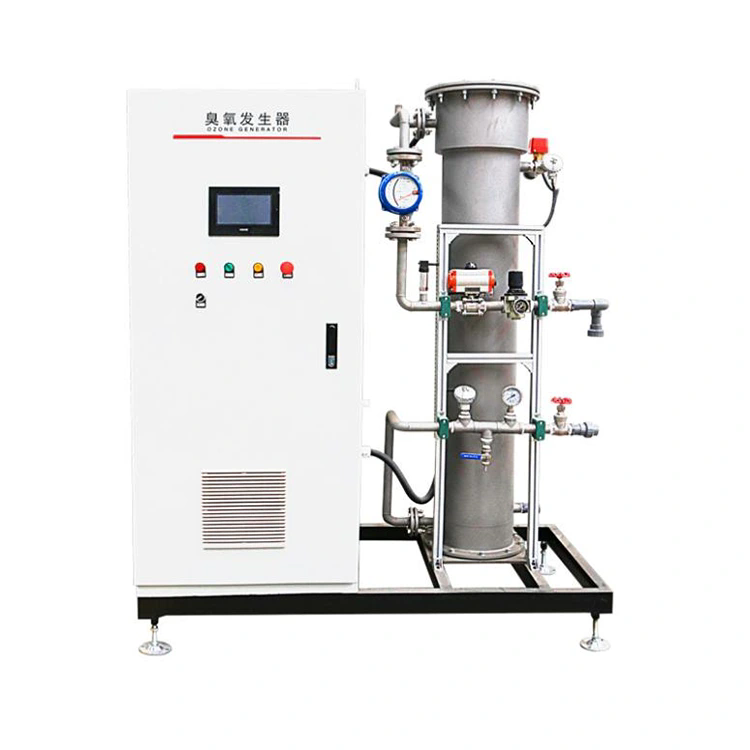
Table of Contents
- Article Outline
- What Is an Air Source Ozone Generator?
- Key Air Treatment Pain Points
- How an Air Source Ozone Generator Works
- Application Scenarios
- Core Benefits
- How to Choose the Right System
- Technical Parameter Overview
- Frequently Asked Questions
- Conclusion and Contact
Article Outline
- Definition and positioning of Air Source Ozone Generator technology
- Common air quality and odor control challenges
- Operational principles and system components
- Real-world industrial and commercial use cases
- Performance advantages and operational value
- Key technical criteria for equipment selection
What Is an Air Source Ozone Generator?
An Air Source Ozone Generator is a device designed to produce ozone (O3) directly from ambient air through controlled electrical discharge or advanced oxidation processes. Unlike oxygen-source systems that rely on external oxygen supplies, air-source units utilize filtered atmospheric air, making them more flexible for on-site deployment.
Ozone is a highly reactive molecule with strong oxidation capability. When introduced into controlled environments, it breaks down odor-causing compounds, deactivates bacteria and viruses, and reduces volatile organic compounds without leaving long-term chemical residues.
Key Air Treatment Pain Points
Facilities across manufacturing, waste management, food processing, and logistics often face persistent air-related problems that traditional ventilation or chemical treatments fail to resolve.
- Odor persistence: Organic waste, chemicals, and industrial processes generate odors that linger and spread.
- Microbial growth: High humidity and organic matter encourage bacteria and mold formation.
- Chemical residues: Conventional deodorants mask smells rather than eliminate root causes.
- High operating costs: Consumables and frequent maintenance increase long-term expenses.
How an Air Source Ozone Generator Works
The operating principle of an Air Source Ozone Generator is based on electrical energy transforming oxygen molecules in air into ozone. The process typically involves the following steps:
- Ambient air is drawn into the system and filtered.
- Oxygen molecules are exposed to high-voltage discharge.
- Ozone is generated and precisely metered into the target space.
- Ozone reacts with pollutants and decomposes back into oxygen.
This closed-loop reaction ensures effective treatment while minimizing secondary contamination.
Application Scenarios
Air Source Ozone Generators are widely deployed due to their adaptability and scalability.
- Waste treatment facilities: Neutralization of sulfur compounds and ammonia odors.
- Food processing plants: Air sanitation and microbial control in production areas.
- Cold storage and logistics: Odor prevention and mold suppression.
- Industrial workshops: Reduction of chemical fumes and airborne pollutants.
- Commercial buildings: Periodic air disinfection and odor management.
Core Benefits
Compared with traditional air treatment methods, Air Source Ozone Generators offer several measurable advantages:
- No chemical storage or consumables required
- High oxidation efficiency with rapid reaction time
- Lower long-term operational costs
- Minimal environmental impact
- Flexible installation and automation compatibility
How to Choose the Right System
Selecting an appropriate Air Source Ozone Generator requires careful evaluation of operational requirements rather than relying solely on output ratings.
- Target space volume and airflow characteristics
- Type and concentration of pollutants
- Required ozone output stability
- Control methods and safety interlocks
- Maintenance accessibility and component lifespan
Technical Parameter Overview
| Parameter | Typical Range | Practical Impact |
|---|---|---|
| Ozone Output | 5–200 g/h | Determines treatment capacity |
| Air Source Requirement | Filtered ambient air | Reduces dependency on oxygen tanks |
| Control Mode | Manual / PLC / Remote | Enables precise operation |
| Cooling Method | Air or water cooling | Affects system stability |
Frequently Asked Questions
Is ozone treatment safe for industrial use?
When applied with proper control systems and safety protocols, ozone treatment is widely used in industrial environments. Professional system design ensures ozone levels remain within controlled limits.
How long does ozone remain active in the air?
Ozone naturally decomposes back into oxygen after reacting with pollutants, typically within a short period depending on environmental conditions.
Can an Air Source Ozone Generator replace ventilation systems?
Ozone generators are designed to complement, not replace, ventilation. They focus on oxidation and disinfection rather than air exchange.
Conclusion and Contact
An Air Source Ozone Generator offers a practical and efficient solution for addressing complex air treatment challenges across industrial and commercial sectors. By eliminating odors and pollutants at the molecular level, it supports cleaner environments and more stable operations.
For organizations seeking reliable air treatment solutions, Siyuan provides professionally engineered Air Source Ozone Generator systems tailored to diverse operational needs. To explore configuration options and application support, contact us today and connect with a team dedicated to effective air quality management.
