

Summary: Understanding the role of an automobile friction kit is crucial for vehicle efficiency, safety, and longevity. This article explores how friction kits work, their benefits, installation tips, maintenance advice, and answers common customer concerns.
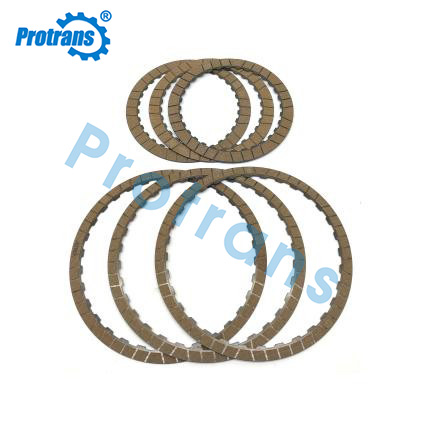
Table of Contents
- What is an Automobile Friction Kit?
- How Does It Work?
- Key Components of a Friction Kit
- Benefits of Using a Friction Kit
- Installation Tips
- Maintenance and Longevity
- FAQ
What is an Automobile Friction Kit?
An automobile friction kit is a set of components designed to regulate and optimize friction within the vehicle's transmission and braking systems. It typically includes clutch plates, friction discs, pressure plates, and related hardware. Proper friction management ensures smooth gear shifting, reliable braking, and overall vehicle safety.
- Clutch plates for smooth transmission control
- Friction discs to prevent slippage
- Pressure plates for uniform load distribution
Choosing high-quality friction kits, such as those offered by Guangzhou Protrans Transmission Parts Co., Ltd., guarantees durability and efficiency.
How Does It Work?
The friction kit operates by generating controlled resistance between moving parts. This resistance allows the vehicle to transfer engine power effectively while preventing unnecessary wear. In a clutch system, friction plates engage and disengage smoothly, enabling gear changes without damage. In braking systems, friction components absorb energy and stop the vehicle safely.
Here’s a simplified process:
- Clutch pedal is pressed, separating the clutch plate from the flywheel.
- Friction discs reduce slippage and maintain torque transfer.
- Gear shifts occur smoothly, and the system resets when the pedal is released.
Key Components of a Friction Kit
| Component | Function | Material |
|---|---|---|
| Clutch Plate | Transfers torque from engine to transmission | High-strength steel with friction material |
| Friction Disc | Reduces slippage, ensures smooth engagement | Organic, ceramic, or metallic compounds |
| Pressure Plate | Maintains uniform pressure on clutch disc | Steel with spring-loaded mechanisms |
| Release Bearing | Enables clutch pedal operation without friction damage | Hardened steel or ceramic |
Benefits of Using a Friction Kit
Installing a high-quality automobile friction kit provides multiple advantages for both personal and commercial vehicles:
- Improved Transmission Performance: Reduces gear grinding and enhances responsiveness.
- Extended Component Lifespan: Minimizes wear on clutch and brake systems.
- Enhanced Safety: Reliable friction reduces stopping distance and prevents slippage.
- Fuel Efficiency: Smooth power transfer leads to lower engine load and better fuel economy.
Installation Tips
Correct installation is critical for the performance of a friction kit. Improper installation may lead to slippage, noise, or premature failure.
- Always use the full kit recommended for your vehicle model.
- Clean all mating surfaces before assembly.
- Apply manufacturer-recommended lubrication where necessary.
- Check alignment and torque specifications carefully.
- Test the vehicle under low-speed conditions before full operation.
Partnering with Guangzhou Protrans Transmission Parts Co., Ltd. ensures professional-grade kits that are easy to install and reliable.
Maintenance and Longevity
Proper maintenance extends the life of your friction kit and prevents costly repairs.
- Regular inspection of clutch and brake components
- Replace worn friction discs before complete failure
- Keep transmission fluid at recommended levels
- Avoid aggressive driving that causes excessive heat
Routine care preserves the performance of your vehicle and ensures the friction kit operates at peak efficiency.
FAQ
Q1: How often should an automobile friction kit be replaced?
Replacement depends on driving conditions and usage. For most vehicles, it is recommended every 50,000 to 70,000 miles or at the first sign of slippage or noise.
Q2: Can I install a friction kit myself?
While possible for experienced mechanics, professional installation is recommended to avoid damage and ensure warranty compliance.
Q3: How do I know if my friction kit is failing?
Common signs include unusual noises, difficulty in gear shifting, burning smell, and reduced braking efficiency.
Q4: Are all friction kits compatible with my car model?
No. It is crucial to select the correct kit for your make and model. Guangzhou Protrans Transmission Parts Co., Ltd. provides precise compatibility guidance for all vehicles.
For premium quality automobile friction kits that enhance your vehicle’s performance, reliability, and safety, contact us at Guangzhou Protrans Transmission Parts Co., Ltd. to explore our full range and get expert support.
