

How Does Arc Magnet Technology Protect Downstream Equipment from Metal Damage?
2026-09-08
1. What Is an Arc Magnet and How Does It Differ from a Standard Magnetic Separator?
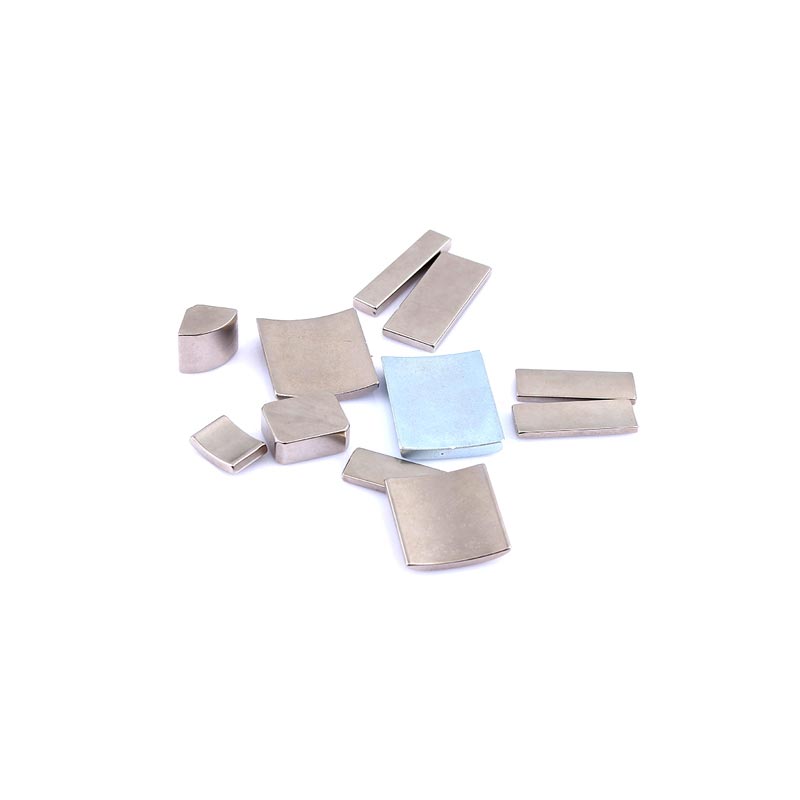
A standard magnetic separator uses a flat or cylindrical magnet surface to attract ferrous particles. The material stream flows across or around the magnet, and particles are captured on the surface. The limitation of this design is that particles can be dislodged by the material flow, especially when the flow is fast or the particles are large. An Arc Magnet uses a curved magnetic surface—typically a 90-degree or 120-degree arc—that creates a magnetic field that follows the curve of the surface. This design maximizes the capture area and provides a longer retention time for the particles. The curvature also reduces the velocity of the particles at the capture point, which improves the capture efficiency. In our factory, we manufacture Arc Magnets with a surface magnetic field strength of 10,000 to 12,000 Gauss at the pole face, which is sufficient to capture particles as small as 100 microns.
Key design difference: An Arc Magnet is typically installed at the transition point between two process stages, such as after a conveyor belt or before a crusher. The material falls in a curtain across the face of the magnet, and the ferrous particles are deflected away from the material stream and collected separately. This is in contrast to a flat magnet, which requires the material to flow over the magnet surface.
The Arc Magnet is also easier to clean than other designs. The captured material collects on the outer surface of the arc and can be removed by sliding a scraper or using a divider plate. In our factory, we manufacture Arc Magnets in a range of arc angles (60°, 90°, 120°) and with a choice of magnetic materials (ceramic ferrite, alnico, or neodymium). The choice of material depends on the operating temperature and the particle size distribution of the material being processed.
2. How Does the Arc Geometry Improve Capture Efficiency?
The capture efficiency of a magnetic separator is determined by the magnetic force, the particle velocity, and the retention time. The Arc Magnet geometry improves the capture efficiency by increasing the retention time and directing the magnetic field to the region where particles are most likely to be captured. The table below compares the capture efficiency of different magnetic separator designs under the same operating conditions.
| Magnet type | Typical field strength (Gauss) | Effective capture zone (mm) | Capture efficiency for 1mm steel particles | Capture efficiency for 0.1mm steel particles |
| Flat plate magnet | 4,000 – 6,000 | 20 – 30 | 88% | 55% |
| Cartridge magnet (tube) | 6,000 – 8,000 | 30 – 40 | 92% | 65% |
| Arc Magnet (90° neodymium) | 10,000 – 12,000 | 40 – 60 | 97% | 82% |
| Arc Magnet (120° neodymium) | 10,000 – 12,000 | 50 – 70 | 98% | 88% |
The Arc Magnet's higher capture efficiency translates directly to reduced equipment damage and lower maintenance costs. In a plastics recycling plant that we supplied with Arc Magnets, the rate of downstream equipment damage from tramp metal was reduced by 92 percent in the first month of operation. The payback period was less than 6 months.
3. What Are the Key Performance Parameters You Need to Specify?
When specifying an Arc Magnet for a particular application, there are five key parameters to consider: the magnetic field strength, the arc angle, the magnet width, the operating temperature, and the cleaning method. The table below provides a reference for selecting the appropriate Arc Magnet parameters based on the application and operating conditions.
| Application | Material type | Recommended arc angle | Recommended field strength | Magnet material |
| Food processing | Dry powders | 90° | 8,000 – 10,000 G | Ceramic ferrite |
| Plastics recycling | Mixed flakes | 120° | 10,000 – 12,000 G | Neodymium |
| Mining / aggregate | Coarse rocks | 90° | 8,000 – 10,000 G | Ceramic ferrite |
| Chemical processing | High temperature | 60° | 6,000 – 8,000 G | Alnico |
In our factory, we manufacture Arc Magnets with neodymium magnets for applications that require high field strength and compact size. We use ceramic ferrite magnets for applications where cost is a primary concern and the temperature is moderate. We also provide a magnetic separator housing that allows the magnet to be mounted in a pipe or a chute without modifying the existing process equipment.
4. What Is the Return on Investment for Installing an Arc Magnet?
The return on investment for an Arc Magnet is calculated based on the cost of equipment damage avoided. A single tramp metal event can cause damage costing $5,000 to $50,000, depending on the equipment and the severity of the damage. If an Arc Magnet captures 95 percent of the tramp metal that would otherwise enter a crusher, it can prevent one or two significant damage events per year. The cost of a typical Arc Magnet is $2,000 to $8,000, depending on the size and the magnetic material. The payback period is usually between 3 and 12 months. The table below shows a typical ROI calculation for a medium-sized processing plant.
ROI example for a 100 ton/hour processing line:
• Arc Magnet cost (120°, 900mm width): $5,500
• Estimated tramp metal events per year: 4
• Average cost per event (repairs + downtime): $12,000
• Annual cost of events without Arc Magnet: $48,000
• Capture efficiency: 95%
• Annual cost with Arc Magnet: $2,400
• Annual saving: $45,600
• Payback period: 45 days
In our factory, we provide a free ROI calculation for each customer based on their production data and the history of tramp metal events. This helps the customer make an informed purchase decision.
Frequently Asked Questions About Arc Magnet Technology
Summary for Plant Maintenance Engineers
Arc Magnet technology provides a simple, reliable, and cost-effective solution for protecting downstream equipment from ferrous metal contamination. The arc geometry provides a longer capture zone and higher capture efficiency than flat or cylindrical magnets. The technology is proven in food processing, plastics recycling, mining, and chemical processing applications. With a payback period of 3 to 12 months, the investment in an Arc Magnet is one of the most cost-effective equipment protection measures available.
Xiamen Zhaobao Magnet Co., Ltd. manufactures Arc Magnets in a range of sizes, arc angles, and magnet materials. We provide full performance data, including capture efficiency curves and temperature derating charts.
