Article Abstract
The automobile steering system is one of the most critical subsystems in any vehicle, directly affecting driving safety, handling precision, and overall comfort.
This article provides a comprehensive explanation of how an automobile steering system works, its core components, common issues faced by users, maintenance strategies, and selection considerations.
It also highlights engineering solutions offered by Tuoneng to address modern steering performance demands across different vehicle categories.
Introduction to Automobile Steering Systems
An automobile steering system is responsible for controlling the direction of a vehicle by converting driver input into controlled wheel movement.
When a driver turns the steering wheel, a sequence of mechanical, hydraulic, or electronic mechanisms translates this motion into directional changes of the front wheels.
Modern vehicles demand steering systems that are not only precise but also adaptive to varying speeds, road conditions, and driving styles.
From compact passenger cars to heavy-duty commercial trucks, steering systems must ensure stability, responsiveness, and safety under all conditions.
Working Principle Explained
The fundamental working principle of an automobile steering system is the conversion of rotational motion into angular wheel displacement.
This involves multiple mechanical stages depending on the system type.
-
Driver Input: The driver rotates the steering wheel.
-
Transmission Mechanism: The steering column transfers motion to the steering gear.
-
Steering Gear Conversion: Rotary motion is converted into linear motion.
-
Wheel Alignment Response: Tie rods and linkages adjust wheel angles.
This chain ensures that even slight steering wheel movements result in accurate directional control, maintaining vehicle stability and responsiveness.
Core Components Breakdown
A typical automobile steering system consists of several interconnected components, each playing a crucial role in performance and safety.
-
Steering Wheel: Primary driver interface for directional control.
-
Steering Column: Connects steering wheel to steering gear mechanism.
-
Steering Gear (Rack and Pinion or Recirculating Ball): Converts rotational motion into linear motion.
-
Tie Rods: Transfer motion to wheel assemblies.
-
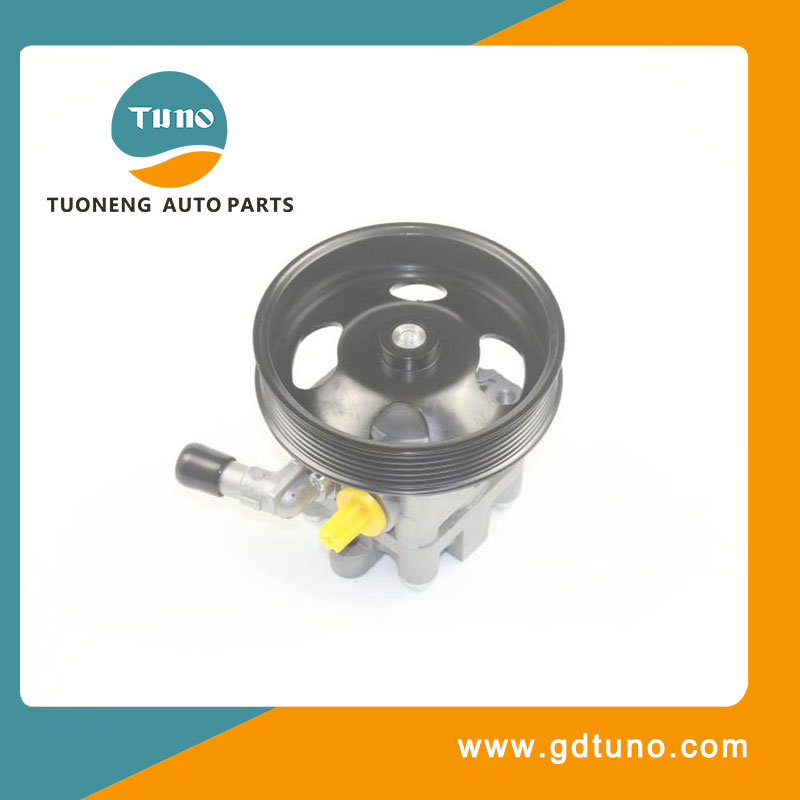
Power Assist System: Hydraulic or electric assistance for reduced steering effort.
Each component must be precisely engineered to minimize play, reduce friction, and ensure consistent steering feedback.
Types of Steering Systems
Different vehicles require different steering architectures depending on performance, cost, and application requirements.
-
Manual Steering System: Basic system without power assistance, mainly used in lightweight or older vehicles.
-
Hydraulic Power Steering (HPS): Uses fluid pressure to assist steering effort.
-
Electric Power Steering (EPS): Uses electric motors for efficiency and adaptive control.
-
Electro-Hydraulic Steering: Hybrid system combining hydraulic power with electronic control.
Among these, EPS systems are becoming increasingly dominant due to fuel efficiency and advanced driver assistance integration.
Common Steering Problems
Even advanced steering systems can experience performance issues due to wear, environmental factors, or mechanical failure.
-
Excessive steering wheel play or looseness
-
Uneven or stiff steering response
-
Fluid leakage in hydraulic systems
-
Noise during turning (clunking or whining sounds)
-
Vibration at higher speeds
These issues often indicate underlying mechanical degradation or misalignment that should be addressed promptly to avoid safety risks.
Maintenance and Optimization
Proper maintenance of an automobile steering system ensures long-term safety, precision, and reduced repair costs.
-
Regular inspection of tie rods and joints for wear
-
Checking hydraulic fluid levels (if applicable)
-
Wheel alignment adjustments every 10,000–15,000 km
-
Monitoring EPS sensor calibration
-
Immediate replacement of damaged steering boots
Preventive maintenance significantly reduces the likelihood of steering failure and improves driving comfort.
How to Choose a Steering System
Selecting the right steering system depends on vehicle type, performance expectations, and environmental conditions.
-
Passenger Vehicles: EPS systems are preferred for efficiency and comfort.
-
Commercial Trucks: Hydraulic systems are often used for durability and load handling.
-
High-Performance Cars: Require responsive, low-latency steering feedback systems.
-
Off-Road Vehicles: Need reinforced steering linkages for harsh environments.
Proper system selection ensures optimal driving dynamics and reduces long-term operational costs.
Tuoneng Engineering Solutions
Tuoneng specializes in advanced automotive steering system technologies designed to meet modern vehicle engineering demands.
Based on continuous innovation and precision manufacturing, Tuoneng provides steering solutions that enhance safety, responsiveness, and durability.
The product line includes optimized steering assemblies engineered for reduced friction, improved load distribution, and enhanced driver feedback.
These systems are widely applicable across passenger vehicles, commercial fleets, and industrial transport platforms.
-
High-precision rack and pinion systems
-
Durable hydraulic steering components
-
Next-generation electric steering modules
-
Customized steering system integration services
FAQ Section
Q1: What is the main function of an automobile steering system?
It controls the direction of a vehicle by translating driver input into wheel movement.
Q2: What is the most common steering system today?
Electric Power Steering (EPS) is currently the most widely used due to efficiency and integration with modern vehicle systems.
Q3: Why does steering become stiff?
This may be caused by low fluid levels, mechanical wear, or EPS motor issues.
Q4: How often should steering systems be inspected?
It is recommended to inspect the system during routine maintenance intervals or every 10,000–15,000 km.
Q5: Can steering issues affect driving safety?
Yes, steering system faults can significantly reduce vehicle control and increase accident risk.
Conclusion and Recommendations
The automobile steering system is a fundamental component that directly impacts driving safety and vehicle performance.
Understanding its structure, operation, and maintenance requirements allows users to make informed decisions and extend system lifespan.
With continuous advancements in automotive engineering, modern steering systems are becoming more intelligent, efficient, and adaptive. Tuoneng continues to play a key role in delivering high-performance steering solutions that meet global automotive standards.
For customized solutions, technical consultation, or product inquiries, contact us at Tuoneng to explore how our automobile steering system technologies can enhance your vehicle performance and operational reliability.