

How Does Bare Conductor Cable Improve Electrical Performance?
2026-01-13
Article Summary: Bare conductor cable is a fundamental component in power transmission and distribution systems. This article explores its types, applications, advantages, installation practices, and maintenance tips to help engineers, contractors, and industrial users make informed decisions. Practical insights are provided to ensure optimal performance, durability, and safety in electrical projects.
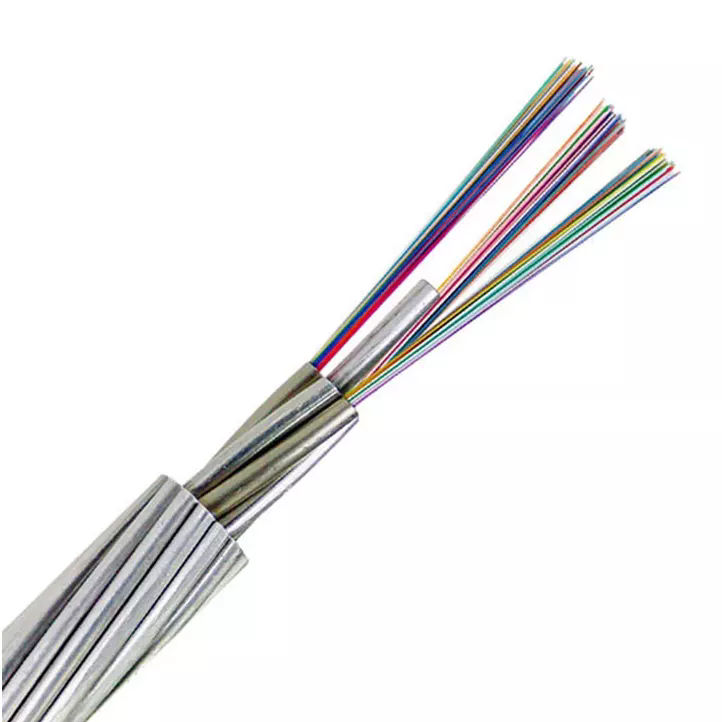
Table of Contents
- Introduction to Bare Conductor Cable
- Types of Bare Conductor Cable
- Applications and Use Cases
- Key Advantages of Bare Conductor Cable
- Installation and Handling Tips
- Maintenance Guidelines
- Frequently Asked Questions
- Conclusion and Contact
Introduction to Bare Conductor Cable
Bare conductor cable, commonly used in overhead power lines, is a type of electrical conductor without any insulation covering. It allows for high conductivity and efficient power transmission over long distances. Unlike insulated cables, bare conductor cables are typically made from materials such as aluminum, copper, or their alloys, designed to withstand environmental conditions and mechanical stress.
Understanding bare conductor cables is crucial for professionals involved in electrical transmission, distribution, and industrial energy systems. These cables are optimized to minimize resistance and improve the overall efficiency of electrical networks.
Types of Bare Conductor Cable
Bare conductor cables are categorized based on material composition, mechanical strength, and conductivity. The main types include:
- Aluminum Conductor (AC): Lightweight and cost-effective, suitable for medium to high-voltage transmission.
- Aluminum Conductor Steel Reinforced (ACSR): Combines aluminum's conductivity with steel's tensile strength for long-span overhead lines.
- Copper Conductor: Provides excellent conductivity, corrosion resistance, and long-term reliability, often used in critical infrastructure.
- Aluminum Alloy Conductor: Offers higher strength than pure aluminum and reduced sag in overhead applications.
| Type | Material | Applications | Key Benefit |
|---|---|---|---|
| AC | Aluminum | General transmission lines | Lightweight and cost-efficient |
| ACSR | Aluminum + Steel | Long-span overhead lines | High mechanical strength |
| Copper | Copper | Critical power distribution | High conductivity and durability |
| Aluminum Alloy | Aluminum alloy | Medium to high-voltage lines | Reduced sag and enhanced strength |
Applications and Use Cases
Bare conductor cables are widely applied in:
- Overhead power transmission and distribution networks
- Industrial energy distribution systems
- Railway electrification lines
- Telecommunication grounding systems
- Lightning protection systems
They are favored in applications requiring high conductivity and minimal resistance, where insulation is not mandatory. Using bare conductors reduces installation costs and enhances heat dissipation in power lines.
Key Advantages of Bare Conductor Cable
Choosing bare conductor cables provides multiple benefits for electrical systems:
- High Electrical Conductivity: Allows efficient energy transmission with minimal energy loss.
- Durability: Resistant to environmental factors, UV exposure, and mechanical stress.
- Cost-Effectiveness: Eliminates insulation costs while providing reliable performance.
- Ease of Installation: Lightweight and flexible for overhead line deployment.
- Reduced Maintenance: Requires minimal upkeep when properly installed and tensioned.
Installation and Handling Tips
Proper installation is crucial to ensure the performance and safety of bare conductor cables. Follow these best practices:
- Pre-Installation Inspection: Check for mechanical defects, corrosion, or surface irregularities before deployment.
- Correct Tensioning: Avoid excessive sag or over-tensioning to prevent mechanical damage.
- Environmental Considerations: Account for wind, ice, and temperature variations when planning overhead line spans.
- Safe Handling: Use gloves and protective gear to prevent injury from sharp strands.
- Secure Support Structures: Ensure poles, towers, and hardware can support the conductor’s weight and tension load.
Maintenance Guidelines
Routine maintenance ensures longevity and reliability of bare conductor cables:
- Regular visual inspections for corrosion, wear, or mechanical damage.
- Periodic cleaning in industrial or coastal environments to prevent salt or pollutant accumulation.
- Monitoring line tension and sag over time.
- Replacement of damaged sections promptly to avoid power disruption.
- Checking conductor attachments, clamps, and fittings for integrity.
Frequently Asked Questions
Q1: Why choose bare conductor cables over insulated cables?
A1: Bare conductors are more cost-effective for overhead transmission, offer excellent conductivity, and simplify installation without requiring insulation in open-air environments.
Q2: Can bare conductor cables be used in humid or coastal areas?
A2: Yes, when properly selected for corrosion resistance. Aluminum and copper conductors are suitable, and regular maintenance helps prolong service life.
Q3: How long does a bare conductor cable last?
A3: With proper installation and routine maintenance, high-quality bare conductors can last 25–40 years or longer, depending on environmental conditions.
Q4: Are bare conductor cables safe for residential areas?
A4: They are primarily used in overhead power distribution systems and should be installed at regulated heights with proper grounding and safety measures to ensure public safety.
Conclusion and Contact
Bare conductor cables play a critical role in delivering reliable, high-performance electrical systems. By understanding their types, applications, advantages, and maintenance requirements, engineers and project planners can ensure efficient and safe power transmission.
DAYA offers a wide range of high-quality bare conductor cables suitable for industrial, utility, and infrastructure projects. Their products are designed to meet international standards, ensuring long-term durability and exceptional performance.
For tailored solutions, product inquiries, or technical support, contact us today and improve your electrical projects with reliable bare conductor cables from DAYA.
