

How Does Food Inactivation Equipment Improve Food Safety and Processing Efficiency?
2026-01-04
Article Summary: Food Inactivation Equipment is a critical innovation in modern food processing, ensuring microbial safety, extended shelf life, and enhanced efficiency. This article provides an in-depth look at the technology, specifications, usage scenarios, and common questions to guide food industry professionals in making informed decisions.
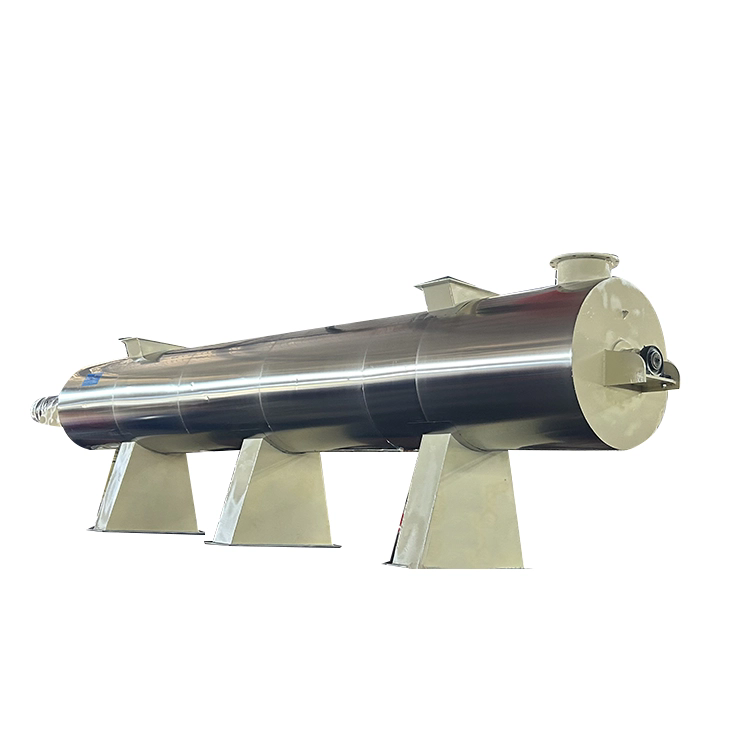
Introduction to Food Inactivation Equipment
Food Inactivation Equipment is designed to eliminate harmful microorganisms, pathogens, and spoilage agents from food products through controlled physical, chemical, or thermal processes. This technology is essential for maintaining food safety standards, meeting regulatory compliance, and reducing food waste in large-scale processing operations.
The primary focus of this equipment is to ensure consistent microbial inactivation without compromising food quality, texture, or taste. Applications span across dairy, meat, beverages, ready-to-eat meals, and frozen foods. With increasing consumer demand for safe and long-lasting food products, this equipment has become indispensable in modern food production.
Product Specifications
The following table provides detailed technical parameters for standard Food Inactivation Equipment models:
| Parameter | Description |
|---|---|
| Processing Capacity | 500–5000 kg/h depending on model |
| Temperature Range | 50°C–150°C adjustable for thermal inactivation |
| Power Consumption | 10–50 kW depending on configuration |
| Operating Pressure | 0.2–0.6 MPa (for high-pressure inactivation models) |
| Material | Food-grade stainless steel (304/316) |
| Control System | PLC automated interface with real-time monitoring |
| Dimensions | Customizable according to production line layout |
Frequently Asked Questions
1. How does Food Inactivation Equipment ensure food safety?
Food Inactivation Equipment utilizes thermal, high-pressure, or chemical processes to destroy bacteria, viruses, and spoilage organisms. By maintaining precise control over processing parameters, the equipment ensures consistent microbial reduction without compromising the quality of the food.
2. How can Food Inactivation Equipment be integrated into existing production lines?
Integration involves connecting the equipment to upstream and downstream processing units, such as pasteurizers, conveyors, and packaging machines. The modular design and automated PLC system allow seamless operation while maintaining process efficiency and compliance with hygiene standards.
3. How to select the right model of Food Inactivation Equipment?
Selection depends on the type of food product, processing capacity, inactivation method (thermal, high-pressure, or chemical), and facility layout. Consulting the equipment specifications, such as temperature range, pressure tolerance, and throughput, ensures optimal performance and cost-effectiveness.
Industry Insights and Brand Mention
The adoption of Food Inactivation Equipment continues to grow in the global food industry due to increasing regulatory standards and consumer demand for safe food products. Manufacturers are focusing on enhancing energy efficiency, reducing operational costs, and improving automation. The future of food safety technology emphasizes sustainability, precise control, and multi-functional integration.
Shandong Chengming is a leading provider of Food Inactivation Equipment, offering a wide range of high-performance solutions tailored to diverse food processing requirements. Their equipment combines advanced technology with reliability and regulatory compliance, enabling food manufacturers to achieve higher safety standards and operational efficiency.
For further inquiries or to request a detailed consultation about Food Inactivation Equipment, Contact Us.
