

How Does Grain Sterilization Tank Improve Grain Storage and Quality?
2026-02-28
Article Summary
Grain sterilization is an essential process in the agricultural industry that ensures stored grains remain free from pests, mold, and other contaminants. A grain sterilization tank is a vital tool in this process, offering an efficient and effective method to maintain the quality and safety of grains during storage. In this article, we explore how grain sterilization tanks work, their benefits, and how they can address common issues faced by grain storage facilities. We also discuss key factors in choosing the right sterilization tank for your needs and how Shandong Chengming provides advanced solutions for grain sterilization.
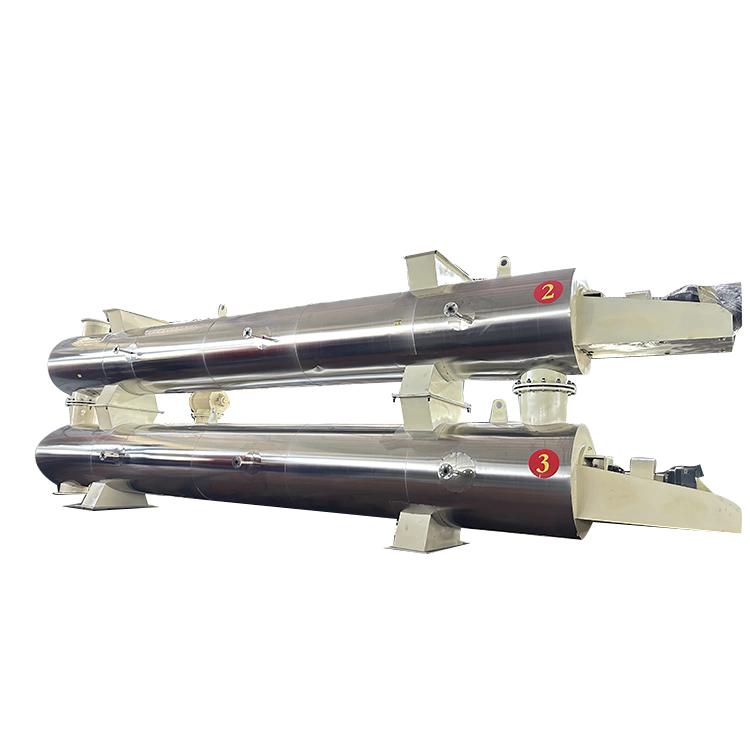
Table of Contents
- Grain Sterilization Tank Overview
- Common Challenges in Grain Storage
- How Grain Sterilization Works
- Benefits of Using a Grain Sterilization Tank
- How to Choose the Right Grain Sterilization Tank
- Grain Sterilization Tank Comparison Table
- Frequently Asked Questions
- Conclusion and Contact Us
Grain Sterilization Tank Overview
Grain sterilization tanks are specialized systems designed to eliminate pests, pathogens, and contaminants from grains through various sterilization techniques. These tanks are equipped with advanced technology to ensure grains maintain their nutritional value, appearance, and safety during storage. Grain sterilization is crucial for large-scale grain storage operations and helps prevent crop loss, spoilage, and contamination.
Shandong Chengming offers cutting-edge grain sterilization tanks that meet the needs of modern grain storage facilities. Our tanks provide high performance, easy maintenance, and efficient sterilization for all types of grains.
Common Challenges in Grain Storage
Grain storage facilities face several common challenges that can compromise grain quality and reduce market value. Addressing these issues promptly can save significant time and money in the long run.
- Pest Infestation: Grain storage can attract pests such as insects and rodents that damage crops and reduce quality.
- Fungal Growth and Mold: Excess moisture in storage can lead to the growth of mold and fungi, making grains unsafe for consumption.
- Contamination from Chemicals: Improper handling or storage of grains can lead to chemical contamination, affecting both the quality and safety of the grain.
- Decreased Shelf Life: Poor storage conditions can shorten the shelf life of grains, leading to spoilage and financial loss.
Using a grain sterilization tank can directly address these issues by sterilizing the grains and maintaining their safety and quality throughout the storage period.
How Grain Sterilization Works
Grain sterilization tanks use various sterilization methods to kill harmful organisms and preserve the grains. The most common techniques include:
- Heat Sterilization: This method uses controlled heat to destroy bacteria, molds, and pests present in the grains. The process is highly effective and ensures the grains retain their nutritional properties.
- Gas Sterilization: In this method, the sterilization tank uses specific gases, such as carbon dioxide or ozone, to eliminate pests and pathogens. This process is gentle on the grains and preserves their quality.
- Steam Sterilization: Steam is applied under pressure to disinfect the grains, ensuring complete elimination of contaminants while maintaining the grain's integrity.
The choice of sterilization method depends on the type of grain, desired outcome, and operational conditions of the storage facility. Shandong Chengming's sterilization tanks are designed to provide efficient and versatile sterilization processes tailored to your specific needs.
Benefits of Using a Grain Sterilization Tank
Investing in a high-quality grain sterilization tank offers several advantages for grain storage facilities:
- Enhanced Grain Quality: Sterilization ensures grains remain free from contaminants, improving their overall quality and making them more appealing to consumers.
- Improved Shelf Life: Sterilized grains have a longer shelf life, reducing the risk of spoilage and loss.
- Increased Productivity: Automated sterilization processes increase operational efficiency, reducing labor costs and improving throughput.
- Prevention of Health Risks: By eliminating pests and pathogens, sterilization reduces the risk of contamination and ensures that grains are safe for human consumption.
- Environmental Sustainability: Modern sterilization technologies, like gas sterilization, are environmentally friendly and reduce the need for harmful chemicals.
How to Choose the Right Grain Sterilization Tank
When selecting a grain sterilization tank, it's essential to consider various factors that align with your facility's needs:
- Grain Type: Different grains require different sterilization methods and tank configurations. Ensure the tank is compatible with the grains you store.
- Capacity: Choose a tank with the appropriate capacity based on your storage volume and production scale.
- Energy Efficiency: Look for sterilization tanks that offer low energy consumption while maintaining high performance.
- Maintenance Requirements: Select tanks that are easy to maintain and clean to ensure smooth operation and long-term reliability.
- Automation Features: Automated sterilization systems can save time and labor, improving the efficiency of your grain storage operations.
Shandong Chengming provides tailored solutions to help you choose the ideal grain sterilization tank based on your specific operational needs.
Grain Sterilization Tank Comparison Table
| Sterilization Method | Suitable for Grains | Advantages | Energy Efficiency |
|---|---|---|---|
| Heat Sterilization | Wheat, Rice, Corn | Effective, fast, and safe | High |
| Gas Sterilization | Barley, Sorghum, Oats | Gentle, preserves grain integrity | Moderate |
| Steam Sterilization | Wheat, Rye, Soybeans | Environmentally friendly, thorough sterilization | Moderate |
Frequently Asked Questions
How long does the sterilization process take?
The sterilization process typically takes 30 minutes to 2 hours, depending on the method used and the type of grain.
Can a grain sterilization tank be used for all types of grains?
Yes, depending on the sterilization method, tanks can be designed for various types of grains, from cereals to legumes.
What maintenance is required for a grain sterilization tank?
Regular cleaning, inspection of sterilization components, and checking the gas or heating systems are essential to maintain optimal performance.
Are there energy-efficient sterilization options available?
Yes, many modern grain sterilization tanks are designed with energy-saving features, such as automated systems and optimized heating controls.
Conclusion and Contact Us
A grain sterilization tank is an indispensable tool for maintaining grain quality and safety during storage. By investing in the right sterilization solution, you can prevent contamination, improve shelf life, and optimize your production efficiency. Shandong Chengming provides reliable, efficient, and customizable grain sterilization tanks to meet the needs of your grain storage facility.
If you're looking for a high-performance grain sterilization tank or need advice on improving your grain storage processes, contact us today to learn how Shandong Chengming can help you achieve optimal results.
