

How Does Inlet Air Filtration Impact the Performance of a Roots Blower in Wastewater Plants
2026-05-29
In any modern sewage treatment roots air blower system, the quality of intake air is not a minor detail—it is a core factor determining efficiency, reliability, and operating cost. At Yinchi, decades of field data confirm that poor inlet filtration is a leading cause of unplanned downtime and energy waste in aeration processes. This article examines the technical relationship between inlet air cleanliness and Roots blower performance, backed by maintenance evidence from municipal and industrial wastewater facilities.
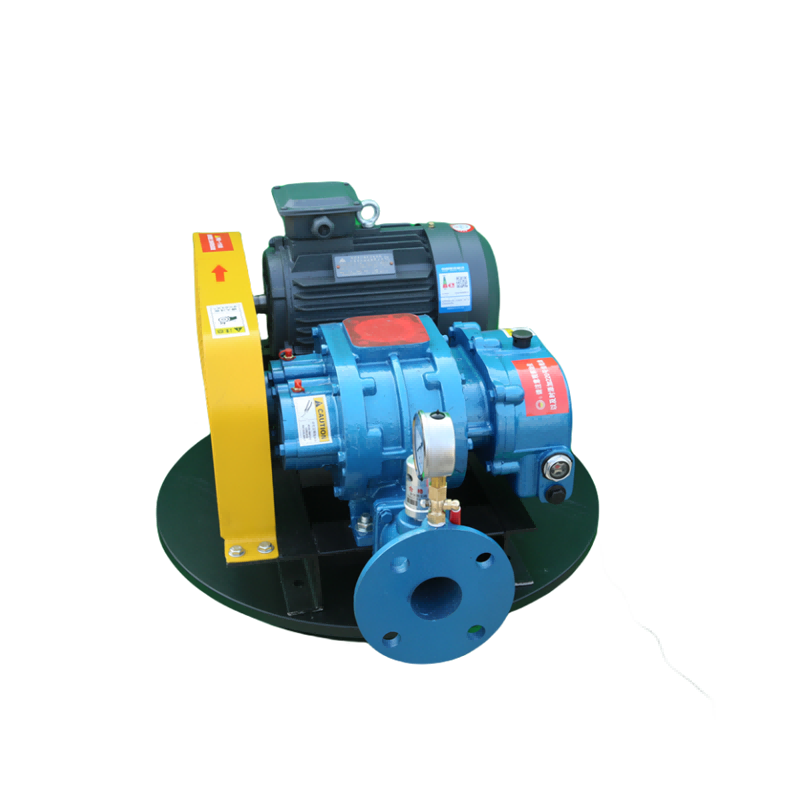
The Technical Impact of Unfiltered Air
When airborne particles enter a Roots blower, they act as an abrasive agent. Dust, pollen, and industrial particulates passing through the inlet directly contact the impellers and housing. Over time, this erodes the precision clearances—typically 0.1 to 0.3 mm—that make positive displacement blowers efficient. Even a 0.05 mm increase in clearance can reduce volumetric efficiency by 5–8%, raising energy consumption per cubic meter of air delivered.
Below is a comparison of operational parameters before and after filtration degradation:
| Performance Metric | With Standard Inlet Filter | With Clogged or Damaged Filter |
|---|---|---|
| Discharge Pressure Stability | ±2% variation | ±12% or higher fluctuation |
| Impeller Wear Rate | Baseline (0.01 mm/month) | 6x faster wear |
| Power Consumption (kWh/day) | 100% reference | Up to 118% |
| Mean Time Between Failures | 24–36 months | 4–8 months |
Why Wastewater Environments Are More Demanding
Wastewater plants operate near biological and chemical sources. Hydrogen sulfide and moisture combine with particulates to form corrosive deposits on internal surfaces. Yinchi engineered its sewage treatment roots air blower units with high-efficiency inlet filter housings that remove 99.5% of particles >1 micron, including silica and organic dust. This not only preserves rotor geometry but also prevents sludge-like buildup in the compression chamber.
Sewage treatment roots air blower FAQ
Q1: How often should the inlet air filter be replaced on a sewage treatment roots air blower?
A1: For a sewage treatment roots air blower operating in a typical municipal plant, Yinchi recommends filter inspection every 500 operating hours and replacement every 1,500 hours or when pressure drop exceeds 1.5 kPa above clean filter resistance. Heavily dusty environments (e.g., near sludge drying beds) may require 800-hour intervals. Delaying replacement forces the blower to draw air through restricted media, increasing motor current by up to 15% and accelerating bearing wear.
Q2: What signs indicate that poor inlet filtration is damaging my Roots air blower?
A2: Four clear signs appear: (1) A persistent drop in aeration flow at constant motor speed. (2) Higher than normal discharge temperatures—over 110°C indicates internal friction from particle embedding. (3) Metallic dust observed in the filter housing or discharge silencer. (4) Increased vibration above 6 mm/s RMS, pointing to rotor imbalance from uneven erosion. Yinchi recommends immediate filter replacement and an endoscope inspection of rotors if two or more signs appear.
Q3: Can using a finer inlet filter media improve sewage treatment roots air blower performance?
A3: Not always. While a MERV 15 filter (99.999% efficiency) captures more dust than a MERV 11 (95% efficiency), it also creates higher inlet restriction. Yinchi advises matching filter class to actual ambient particle concentration. For most wastewater plants, MERV 13–14 offers the best balance, keeping rotor clearances intact without starving the blower inlet. Oversizing filtration without adjusting blower speed control can trigger cavitation-like noise and reduce net airflow by 6–10%. Always consult the blower’s maximum allowable inlet depression before upgrading filter ratings.
Best Practice Summary from Yinchi
-
Install a differential pressure gauge across the filter housing – monitor daily.
-
Use pre-filters (coarse foam or panel) in dusty seasons to extend primary filter life.
-
Schedule inlet duct cleaning every 6 months to prevent mold growth.
-
Document each filter change with operating hours and pressure drop readings.
Contact Us
Does your sewage treatment roots air blower show signs of reduced airflow or rising temperature? Contact Yinchi today for a free inlet system audit and filter efficiency report. Our engineering team provides site-specific recommendations to protect your blower investment and lower aeration energy costs. Reach out through the website or request a callback.
