

How Does Laser Beam Machining Transform Modern Manufacturing?
2026-04-20
Abstract
Laser Beam Machining (LBM) has become a cornerstone of precision manufacturing, enabling industries to process materials with unmatched accuracy, speed, and flexibility. This article explores how LBM works, its advantages over traditional machining, common applications, and how businesses can leverage it to overcome production challenges such as material limitations, micro-level precision, and cost efficiency.
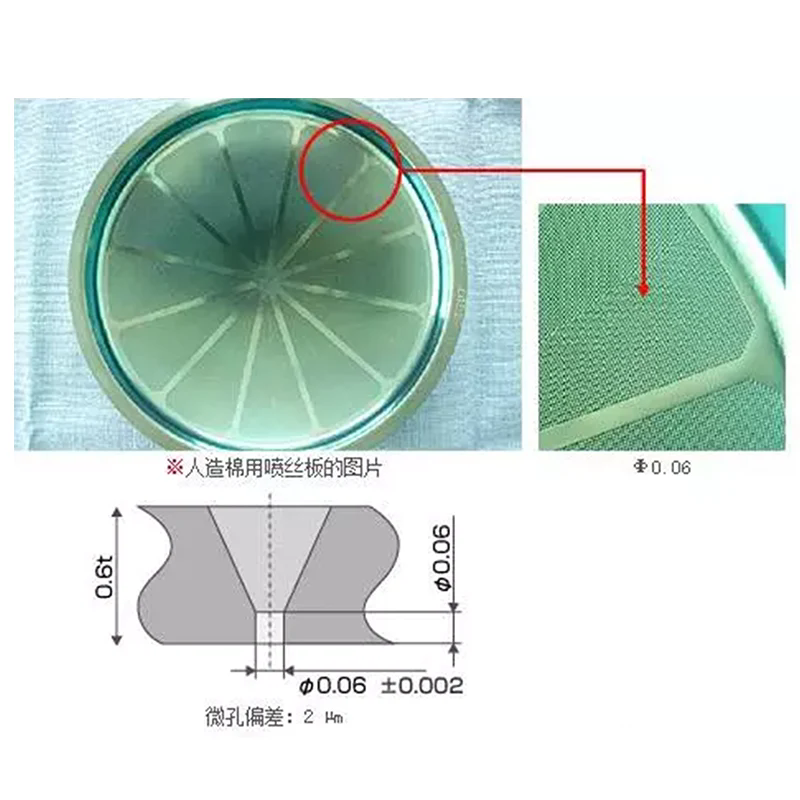
Table of Contents
- 1. Overview of Laser Beam Machining
- 2. How Laser Beam Machining Works
- 3. Key Benefits of Laser Beam Machining
- 4. Industrial Applications
- 5. Comparison with Traditional Machining
- 6. Common Challenges and Solutions
- 7. How to Choose the Right LBM Solution
- 8. FAQ
1. Overview of Laser Beam Machining
Laser Beam Machining is a non-contact thermal machining process that uses a highly focused laser beam to remove material from a workpiece. Unlike conventional cutting tools, LBM does not rely on physical force, making it ideal for delicate, hard, or brittle materials.
This technology is widely adopted in aerospace, automotive, electronics, and medical device manufacturing due to its precision and adaptability. It can perform cutting, drilling, engraving, and surface treatment with minimal material distortion.
2. How Laser Beam Machining Works
The core principle of Laser Beam Machining lies in converting electrical energy into a concentrated beam of light. This beam is directed through optical components and focused onto a very small area of the material surface.
- The laser generates high-energy photons.
- The beam is focused through lenses to a الدقيقة spot.
- Material absorbs energy and rapidly heats up.
- Melting, vaporization, or ablation removes the material.
The process is controlled via CNC systems, allowing for high repeatability and complex geometries without tool wear.
3. Key Benefits of Laser Beam Machining
| Benefit | Description |
|---|---|
| High Precision | Capable of micron-level accuracy for intricate designs |
| Non-Contact Process | No mechanical stress or tool wear |
| Versatility | Works on metals, plastics, ceramics, and composites |
| Minimal Heat-Affected Zone | Reduces material deformation and improves quality |
| Automation Ready | Easy integration with CNC and robotic systems |
These benefits directly address common manufacturing pain points such as tool degradation, low precision, and high maintenance costs.
4. Industrial Applications
Laser Beam Machining is widely used across multiple industries:
- Aerospace: Precision drilling of turbine blades
- Automotive: Cutting and welding of body components
- Electronics: Micro-machining of circuit boards
- Medical: Manufacturing surgical instruments and implants
- Jewelry: Fine engraving and detailing
Its ability to handle complex geometries and micro-scale features makes it indispensable for advanced manufacturing environments.
5. Comparison with Traditional Machining
| Aspect | Laser Beam Machining | Traditional Machining |
|---|---|---|
| Tool Contact | Non-contact | Direct contact |
| Precision | Very high | Moderate |
| Tool Wear | None | High |
| Material Flexibility | Wide range | Limited |
| Maintenance | Low | High |
For manufacturers facing issues with tool lifespan or inconsistent quality, LBM offers a clear advantage.
6. Common Challenges and Solutions
Despite its advantages, Laser Beam Machining presents certain challenges:
- High Initial Cost: Offset by long-term efficiency gains
- Thermal Effects: Managed through optimized parameters
- Reflective Materials: Use specialized laser types
- Energy Consumption: Improved with modern systems
Selecting the right equipment and parameters is critical to overcoming these limitations.
7. How to Choose the Right LBM Solution
When evaluating Laser Beam Machining systems, consider the following:
- Material type and thickness
- Required precision level
- Production volume
- Automation compatibility
- After-sales support
Working with a trusted provider ensures that your system is tailored to your specific production needs, reducing downtime and maximizing ROI.
Sanluo specializes in advanced Laser Beam Machining solutions designed for high-performance industrial applications. Whether you need precision cutting or micro-machining, Sanluo delivers reliable and efficient systems—contact us today to explore how we can optimize your manufacturing process.
8. FAQ
Q1: What materials can be processed using Laser Beam Machining?
LBM can process metals, plastics, ceramics, glass, and composites, making it highly versatile.
Q2: Is Laser Beam Machining suitable for mass production?
Yes, especially when integrated with automated CNC systems for consistent and high-speed operations.
Q3: Does LBM cause material damage?
It produces minimal heat-affected zones when parameters are properly controlled, ensuring high-quality results.
Q4: How does LBM improve efficiency?
By eliminating tool wear, reducing setup time, and enabling precise cuts, LBM significantly enhances productivity.
Q5: Why choose Sanluo for Laser Beam Machining solutions?
Sanluo offers advanced technology, reliable performance, and tailored solutions to meet diverse industrial requirements—contact us now to get expert support and customized recommendations.
