

How Does Linear Feeder Optimize Material Handling?
2025-10-09
In modern automated production lines, precision, stability, and consistency are the pillars of efficiency. Among the many automation components that make these systems work seamlessly, the linear feeder plays a vital role.
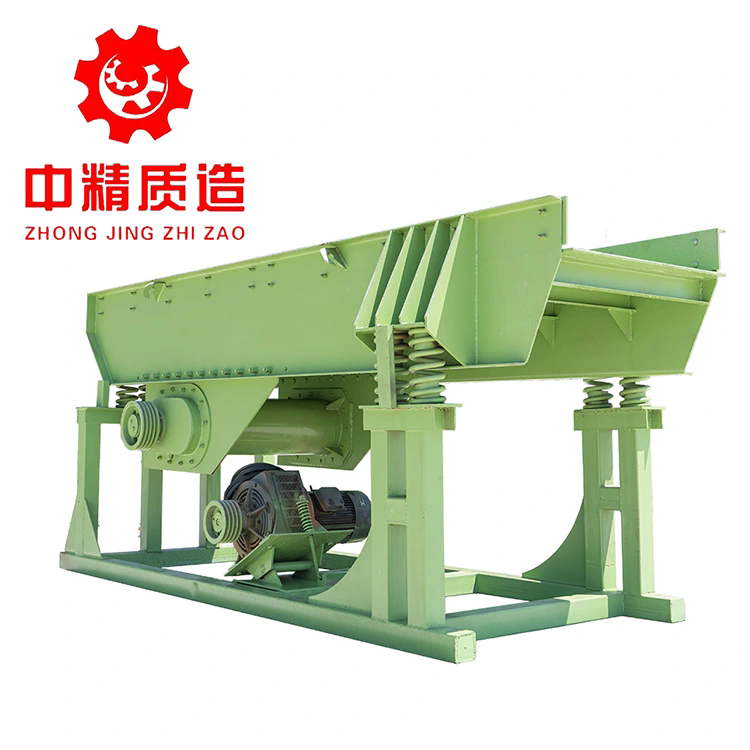
A linear feeder is an electromechanical device that transfers parts or materials from one point to another in a controlled, linear motion. It typically works in conjunction with a bowl feeder or vibratory system, ensuring that components are aligned and delivered in a continuous, accurate flow to the next stage of the production process. Its purpose is to maintain a steady supply rate, reduce manual handling, and eliminate inconsistencies in feeding speed or part orientation.
The importance of a linear feeder lies in its ability to stabilize the flow of components after sorting. For example, in an electronics assembly line, the feeder ensures that resistors, connectors, or microchips reach the pick-and-place machine at an exact pace and orientation. In the food or pharmaceutical industry, it enables precise feeding of capsules or packaged goods without contamination or waste.
Linear feeders are designed to handle various materials such as metal, plastic, glass, and rubber components. They come in different sizes and power ratings to suit light, medium, or heavy-duty applications. The efficiency of a linear feeder directly affects the throughput and accuracy of the entire production system, making it a critical link between sorting and assembly stages.
What Are the Main Components and Working Principles of a Linear Feeder?
The operating principle of a linear feeder is based on controlled vibration. The feeder consists of a base drive unit, springs, a track, and a controller. When electrical power is supplied to the base drive, it generates oscillating vibrations. These vibrations are transferred to the track through leaf springs, causing the materials or parts on the track to move forward in a linear direction.
This movement may seem simple, but behind it lies precision engineering and careful calibration. The frequency, amplitude, and phase of vibration are adjusted according to the weight and type of material being conveyed. Too little vibration, and the material flow becomes irregular; too much, and the parts may bounce, overlap, or get damaged.
Key Components of a Linear Feeder System
-
Base Drive Unit – Generates vibration using electromagnetic or mechanical energy.
-
Leaf Springs – Flexible components that transfer vibration to the track.
-
Linear Track – The path along which parts travel; can be customized for specific part shapes and sizes.
-
Controller – Regulates vibration amplitude and frequency for consistent feeding speed.
-
Support Frame – Provides stability and alignment within the production system.
-
Sensors and Stops – Detect and control the flow of parts, preventing overflow or jamming.
How It Works Step by Step
-
The drive unit receives an electrical signal and produces vibration.
-
The vibration transfers through the springs to the track.
-
Friction between the track and components causes them to move forward.
-
The motion continues in a synchronized pattern, ensuring parts reach the next process in perfect order.
Typical Product Parameters for Linear Feeders
| Parameter | Specification Range or Option |
|---|---|
| Feeding Length | 100 mm – 1500 mm |
| Feeding Speed | 100 – 300 mm/s (adjustable based on material weight) |
| Drive Type | Electromagnetic / Motor-driven |
| Voltage | 110V / 220V / 380V (customizable) |
| Material of Track | Stainless Steel / Aluminum / Hardened Steel |
| Amplitude Control | Manual or automatic via digital controller |
| Load Capacity | Up to 50 kg (depending on model) |
| Vibration Frequency | 50 Hz – 100 Hz |
These technical parameters can be customized based on application requirements. For high-speed production environments, precision control and stability are crucial.
What Are the Advantages and Common Applications of Linear Feeders?
Linear feeders are used wherever controlled feeding, part orientation, and consistent material flow are essential. Their robust construction, flexibility, and automation compatibility make them indispensable across a wide range of industries.
Major Advantages of Linear Feeders
-
High Feeding Accuracy – Ensures uniform delivery of parts, minimizing misalignment and assembly errors.
-
Reduced Labor Costs – Automation reduces the need for manual feeding, improving efficiency.
-
Low Noise and Vibration Optimization – Designed to minimize mechanical stress and acoustic impact.
-
Durability and Longevity – Built from corrosion-resistant materials for long-term industrial use.
-
Easy Integration – Compatible with bowl feeders, conveyors, robotic arms, and vision inspection systems.
-
Customizable Design – Tracks can be adapted to different shapes, sizes, and materials.
Common Industrial Applications
-
Automotive: Feeding bolts, nuts, or precision metal components into assembly machines.
-
Electronics: Handling small and fragile parts like resistors, capacitors, and connectors.
-
Pharmaceutical: Ensuring clean, vibration-controlled feeding of capsules or tablets.
-
Food and Beverage: Used for packaging systems where consistent flow of containers or lids is required.
-
Plastic and Rubber Industry: Feeding molded parts into sorting or inspection lines.
-
Metalworking: Handling washers, springs, and fasteners with precision.
Maintenance and Operational Tips
To maintain the performance and lifespan of a linear feeder:
-
Regularly inspect springs for fatigue or cracks.
-
Keep the track surface clean and free of oil or debris.
-
Check vibration settings periodically for accuracy.
-
Ensure all bolts and nuts are securely tightened.
-
Replace worn components promptly to prevent downtime.
Common FAQs About Linear Feeders
Q1: What is the difference between a linear feeder and a bowl feeder?
A: A bowl feeder is primarily responsible for sorting and orienting parts, while a linear feeder transfers these oriented parts to the next process in a straight line. Both are used together to ensure efficient and continuous material handling.
Q2: What materials can be handled by a linear feeder?
A: Linear feeders can handle a wide range of materials, including metal, plastic, rubber, and glass. The choice of track material and vibration frequency depends on the fragility, weight, and shape of the parts. For example, stainless steel tracks are ideal for metal parts, while anodized aluminum or polyurethane coatings are preferred for delicate items.
What Makes Linear Feeders a Reliable Choice for Automation and Efficiency?
In today’s fast-moving manufacturing environments, automation systems demand high precision, minimal downtime, and maximum reliability. The linear feeder meets these requirements through its advanced design and engineering. It provides a smooth, continuous flow of components with minimal human intervention, reducing the risk of errors and production stoppages.
The latest generation of linear feeders includes intelligent control systems that automatically adjust vibration settings based on part load and flow rate. This allows manufacturers to maintain optimal feeding conditions without manual calibration. In addition, the use of digital controllers and sensor integration has made it possible to achieve precise feedback control, ensuring stable operation even under varying production conditions.
Technological Advancements
-
Smart Control Systems: Enable automatic adjustment of frequency and amplitude to maintain consistent performance.
-
Energy Efficiency: Modern linear feeders consume less power while maintaining high feeding rates.
-
Noise Reduction Technology: Enhanced damping systems reduce vibration noise, improving the working environment.
-
Durable Build: Corrosion-resistant and hardened materials extend operational lifespan even in harsh environments.
Why Linear Feeders Continue to Evolve
As automation expands into more industries, linear feeders continue to adapt with new designs that support robotic integration, real-time monitoring, and flexible manufacturing setups. They are no longer just passive devices but intelligent, data-driven components within Industry 4.0 ecosystems.
Whether used in a compact electronics assembly line or a large-scale automotive factory, linear feeders remain the cornerstone of precise part handling. Their reliability and adaptability make them a trusted choice for engineers and production managers worldwide.
At Zhongjing, we design and manufacture high-performance linear feeders that meet the diverse needs of global industries. Our feeders are engineered for precision, durability, and smooth operation, ensuring consistent results across different manufacturing conditions. With a strong commitment to innovation and customer satisfaction, Zhongjing continues to provide advanced solutions for automated feeding systems that enhance productivity and reliability.
For product specifications, technical consultations, or customized designs, contact us today to learn how Zhongjing can help optimize your automation process and elevate your production efficiency.
