

How Does Proper Lubrication Extend the Lifespan of Auxiliary Machinery?
2026-02-11
In industrial production environments across North America and Europe, plant managers often focus on output capacity, line speed, and energy efficiency. However, one overlooked factor determines whether equipment operates smoothly or suffers costly downtime: lubrication management. In heavy-duty Auxiliary Machinery used in material handling, concrete block production, crushing systems, conveying units, and mixing lines, friction is the silent enemy that gradually erodes performance.
When metal components such as bearings, shafts, gear sets, and couplings operate under load, microscopic surface irregularities create frictional resistance. Without adequate lubrication, this resistance converts to heat, accelerates wear, and causes premature component failure. In severe-duty industrial applications, boundary lubrication conditions can occur within seconds if grease film strength is insufficient. This is why our engineering team emphasizes lubrication strategy during both installation and commissioning.
At Quangong Machinery Co., Ltd., we design Auxiliary Machinery with precision-machined interfaces and optimized lubrication pathways to maintain a stable oil film thickness. Our factory integrates centralized grease systems and heavy-load bearing assemblies to reduce friction coefficients and maintain long service intervals. Proper lubrication is not simply a maintenance task; it is a core reliability strategy that directly affects total cost of ownership.
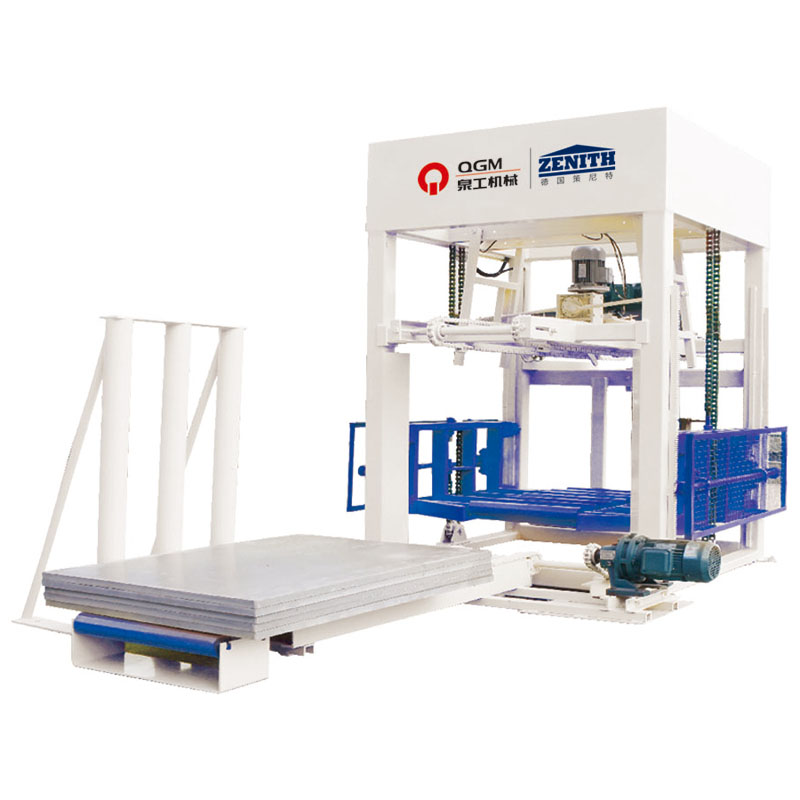
How Does Proper Lubrication Reduce Wear, Heat, and Energy Loss?
In real-world industrial settings, excessive heat is one of the leading indicators of lubrication failure. When gearboxes, pillow block bearings, and drive shafts operate without adequate lubrication, surface contact increases. This leads to abrasive wear, adhesive wear, and in extreme cases, scuffing and galling. Over time, dimensional tolerances drift out of specification.
By applying the correct grade of industrial grease or gear oil, frictional surfaces are separated by a protective film. This film reduces direct metal-to-metal contact and stabilizes operating temperatures. In high-torque Auxiliary Machinery, maintaining this film is critical to prevent micro-pitting and spalling on gear teeth.
Our factory specifies high-viscosity index lubricants for heavy-load assemblies and NLGI grade 2 lithium-based grease for most bearing housings. For applications exposed to dust, cement powder, or aggregate particles, we recommend EP additives and anti-wear compounds to improve film strength. These lubrication choices ensure our systems maintain consistent torque transmission while minimizing energy losses caused by friction.
| Component | Recommended Lubricant Type | Viscosity Range | Typical Service Interval |
| Helical Gearbox | Industrial Gear Oil with EP Additives | ISO VG 220–320 | 4000–6000 Operating Hours |
| Main Drive Bearings | Lithium-Based Grease NLGI 2 | High Load, Anti-Wear | 1000–2000 Operating Hours |
| Chain Drive System | Tackified Chain Lubricant | Medium Viscosity | Weekly Inspection |
| Hydraulic Power Unit | Anti-Wear Hydraulic Oil | ISO VG 46–68 | 3000–5000 Operating Hours |
When properly selected and monitored, lubrication not only reduces component degradation but also lowers amperage draw, improves mechanical efficiency, and reduces unplanned shutdowns.
What Lubrication Standards Should Industrial Operators Follow?
Professional maintenance teams in developed markets typically follow structured lubrication management systems aligned with ISO and OEM recommendations. For Auxiliary Machinery operating in continuous production lines, best practice includes oil analysis, grease sampling, and contamination control.
Our factory recommends a preventive maintenance plan that includes routine oil sampling for viscosity breakdown, water contamination, and particle count analysis. In dusty manufacturing environments, contamination is a major cause of accelerated wear. Installing sealed bearing housings and automatic lubrication pumps reduces exposure to airborne particles.
At Zenith, our design engineers incorporate reinforced sealing systems and labyrinth seal configurations to minimize ingress of moisture and abrasive materials. We also configure accessible grease nipples and centralized lubrication blocks so technicians can service equipment safely without dismantling major assemblies.
By integrating structured lubrication schedules into plant maintenance software, operators can extend equipment lifespan significantly while maintaining compliance with workplace safety regulations. Our technical documentation provides clear service charts and lubrication diagrams tailored to each model.
How Do High-Performance Components Improve Lubrication Efficiency?
Lubrication performance is closely connected to component design. Precision-ground shafts, hardened alloy gears, and dynamically balanced rotors reduce vibration levels and improve lubricant film stability. In high-load Auxiliary Machinery, vibration can disrupt the hydrodynamic film and accelerate fatigue failure.
Our production lines utilize CNC machining centers to ensure tight tolerances and surface finishes that support optimal lubrication retention. Bearing housings are engineered to maintain concentric alignment, reducing uneven load distribution. These mechanical refinements improve lubricant circulation and minimize heat buildup.
| Technical Parameter | Specification | Benefit to Lubrication Performance |
| Main Shaft Material | 42CrMo Alloy Steel, Heat Treated | Improves Surface Hardness and Wear Resistance |
| Gear Hardness | HRC 58–62 | Reduces Micro-Pitting Under High Load |
| Bearing Type | Heavy-Duty Spherical Roller Bearing | Maintains Load Distribution and Oil Film Stability |
| Sealing Structure | Double-Lip Oil Seal with Dust Guard | Prevents Contamination and Lubricant Leakage |
Through these design standards, our systems maintain stable operating temperatures and extended lubrication intervals. Our engineering team continuously evaluates field data to optimize lubrication pathways and reduce mechanical stress concentrations.
How Can Preventive Lubrication Strategies Reduce Total Cost of Ownership?
Equipment downtime in industrial manufacturing environments leads to lost production hours, delayed shipments, and higher maintenance labor costs. Implementing a structured lubrication program transforms maintenance from reactive repair to proactive asset management.
By ensuring correct lubricant selection, scheduled re-greasing, and contamination monitoring, plant operators can significantly extend bearing and gearbox life cycles. In many documented cases, proper lubrication doubled component lifespan compared to irregular maintenance practices.
Quangong Machinery Co., Ltd. supports customers with maintenance manuals, remote technical guidance, and spare parts supply to ensure long-term reliability. Our service team works closely with plant managers to establish lubrication intervals that match production intensity and environmental conditions. With proper lubrication planning, mechanical efficiency remains consistent, energy consumption is stabilized, and unexpected breakdowns are minimized.
FAQ
Q1: How Does Proper Lubrication Extend the Lifespan of Auxiliary Machinery?
Proper lubrication creates a protective film between moving components, reducing direct surface contact, minimizing frictional heat, and preventing abrasive and adhesive wear. By maintaining correct viscosity and contamination control, the lubricant preserves dimensional tolerances, prevents corrosion, and stabilizes operating temperatures, ultimately extending service life and reducing failure rates.
Q2: How Does Proper Lubrication Extend the Lifespan of Auxiliary Machinery in Dusty Industrial Environments?
In environments with cement dust, sand, or airborne particles, contamination accelerates wear. Proper lubrication combined with sealed housings and regular grease replenishment forms a barrier that prevents abrasive particles from entering critical interfaces. Oil analysis and filtration further protect internal components, maintaining mechanical integrity over extended operating cycles.
Q3: How Does Proper Lubrication Extend the Lifespan of Auxiliary Machinery Under Heavy Load Conditions?
Under heavy load, contact pressure increases significantly, raising the risk of micro-pitting and surface fatigue. High-performance lubricants with extreme-pressure additives maintain film strength even at elevated loads. When combined with precision-aligned components and scheduled maintenance, this approach prevents premature gear and bearing failure, ensuring long-term durability.
Conclusion
Proper lubrication is not a secondary maintenance task but a strategic investment in operational reliability. From friction control and heat reduction to contamination prevention and energy efficiency, every lubrication decision directly influences equipment longevity. By combining engineered components, structured maintenance planning, and high-quality materials, our factory delivers systems designed for long-term performance. If you are seeking durable, low-maintenance solutions backed by professional technical support, contact us today to discuss your project requirements and receive a customized quotation.
