

Abstract: Solvent-base lamination has emerged as a pivotal technology in modern manufacturing, providing superior adhesion, durability, and flexibility for a wide range of materials. This article explores its mechanisms, benefits, applications, and common challenges to help businesses optimize their production processes. Insights are drawn to solve customer pain points and improve operational efficiency.
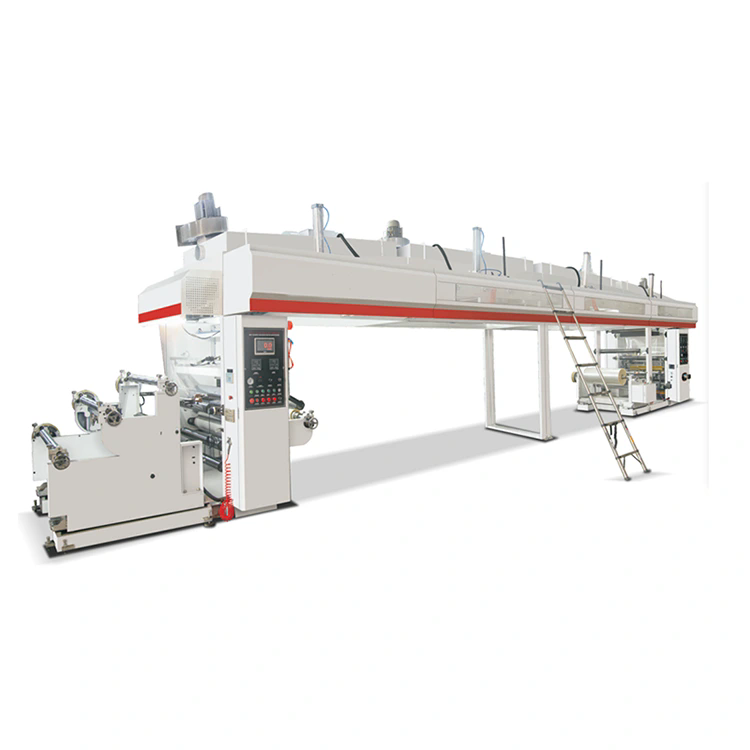
Table of Contents
- What is Solvent-Base Lamination?
- Key Benefits of Solvent-Base Lamination
- Applications Across Industries
- The Solvent-Base Lamination Process
- Common Challenges and Solutions
- FAQ
- Conclusion & Contact Information
What is Solvent-Base Lamination?
Solvent-base lamination is a process that uses a solvent-based adhesive to bond two or more layers of material together. Unlike water-based lamination, solvent-base adhesives provide stronger adhesion, faster drying, and compatibility with a wider variety of substrates. The solvents in these adhesives temporarily dissolve the surface of the film, allowing the layers to merge at a molecular level, which enhances the overall durability and flexibility of the laminated material.
- Core principle: Adhesive-solvent interaction dissolves the polymer surface for strong bonding.
- Common materials: PET, BOPP, paper, aluminum foil.
- Industry preference: Packaging, labeling, and industrial films.
Key Benefits of Solvent-Base Lamination
Companies adopting solvent-base lamination often realize multiple advantages that directly address production challenges.
| Benefit | Description | Impact on Production |
|---|---|---|
| Superior Adhesion | Solvent-based adhesives bond more effectively to various substrates. | Reduces delamination and increases product durability. |
| Enhanced Flexibility | Allows materials to bend and stretch without cracking. | Essential for flexible packaging and industrial films. |
| Fast Drying | Solvent evaporates quickly, shortening production cycles. | Increases throughput and reduces bottlenecks. |
| Chemical Resistance | Provides protection against oils, solvents, and moisture. | Extends product lifespan in demanding applications. |
| Compatibility | Works on a broad range of films, foils, and papers. | Reduces the need for multiple adhesive types. |
Applications Across Industries
Solvent-base lamination is widely used in industries that require robust and reliable laminated materials.
- Flexible Packaging: Snack foods, coffee pouches, and pharmaceutical films benefit from strong adhesion and moisture resistance.
- Labeling: Durable labels for bottles, cans, and industrial products maintain integrity under harsh conditions.
- Industrial Films: Protective films for electronics and automotive parts rely on solvent-base lamination for thermal and chemical resistance.
- Decorative Materials: Laminated surfaces in furniture, flooring, and wall panels achieve aesthetic appeal and durability.
The Solvent-Base Lamination Process
The lamination process involves several critical steps to ensure optimal adhesion and performance.
- Surface Preparation: Clean and dry the substrate to remove contaminants.
- Adhesive Application: Apply the solvent-based adhesive evenly using rollers or spraying systems.
- Lamination: Combine the layers under controlled temperature and pressure.
- Drying: Allow the solvent to evaporate completely, solidifying the bond.
- Inspection: Check for uniformity, adhesion strength, and defects before packaging.
Green ohm Intelligent Equipment Co., Ltd. provides advanced lamination machinery designed for precision, high-speed operations, and minimal solvent waste, ensuring efficiency and environmental compliance.
Common Challenges and Solutions
Even with its advantages, solvent-base lamination presents several operational challenges:
- Solvent Handling: Requires proper ventilation and safety equipment to prevent health hazards.
- Material Compatibility: Not all substrates respond well; testing is essential.
- Environmental Concerns: Solvent recovery systems minimize emissions and waste.
- Adhesive Waste: Optimized coating systems reduce overuse and maintain consistency.
FAQ
Q1: Is solvent-base lamination suitable for food packaging?
A1: Yes, provided the adhesive is food-grade certified and applied according to safety standards.
Q2: How does it compare to water-based lamination?
A2: Solvent-base lamination provides stronger adhesion, faster drying, and better compatibility with challenging materials, though it requires careful solvent management.
Q3: Can it be used for flexible films and foils?
A3: Absolutely. Its flexibility and chemical resistance make it ideal for flexible packaging solutions.
Conclusion & Contact Information
Solvent-base lamination is an essential technology for manufacturers seeking durability, efficiency, and versatility in laminated materials. Green ohm Intelligent Equipment Co., Ltd. offers state-of-the-art lamination equipment and technical support to optimize your production lines.
Discover more about our solvent-base lamination solutions and enhance your manufacturing efficiency today. Contact us to discuss how our systems can meet your specific production needs.
