

How Does Temperature Variation Affect the Performance of the EPC-7 Pressure Controller
2026-04-07
Temperature variation is one of the most underestimated environmental factors affecting precision instrumentation. For engineers and lab technicians relying on the EPC-7 Pressure Controller, even minor thermal shifts can introduce measurement drift, valve response lag, and long-term calibration instability. Understanding this relationship is critical for maintaining system reliability. At ZEN, we have analyzed thousands of deployment scenarios to quantify how temperature truly impacts the EPC-7 Pressure Controller and how users can mitigate these effects.
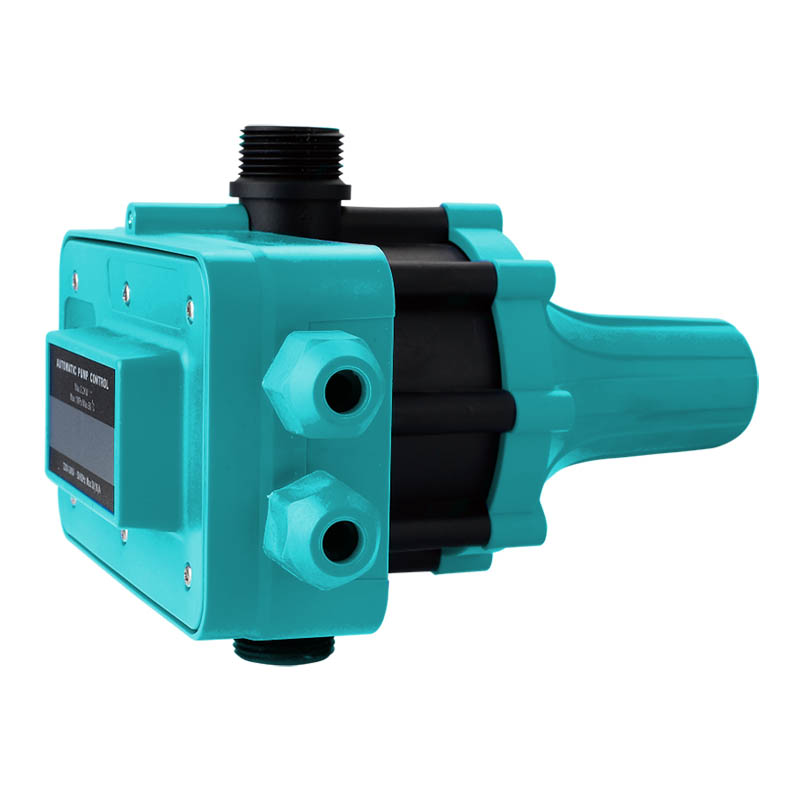
The Thermal Sensitivity Mechanism
Most pressure controllers depend on piezoresistive sensors, which convert pressure-induced strain into electrical signals. These sensors are inherently temperature-sensitive. Without compensation, a 10°C change can produce a 0.5% to 1.0% full-scale error. The EPC-7 Pressure Controller incorporates active temperature compensation, but extreme or rapid thermal swings still challenge performance.
| Temperature Range (°C) | Expected Accuracy Drift (% FS) | Valve Response Time Change | Recommended Action |
|---|---|---|---|
| 15 to 25 (nominal) | 0.05% or less | Baseline (±2%) | No correction needed |
| 5 to 15 or 25 to 40 | 0.1% to 0.3% | +5% to +10% | Perform zero offset calibration |
| Below 5 or above 40 | 0.4% to 0.8% | +15% to +25% | Relocate or add thermal enclosure |
| Rapid cycling (±10°C/h) | Up to 0.6% hysteresis | Variable, up to +20% | Use ZEN thermal stabilization plate |
Practical Consequences in Real Applications
When temperature rises, internal elastomers and seals expand, shifting the valve deadband. In cold environments, lubricants thicken, slowing pneumatic response. The EPC-7 Pressure Controller minimizes these effects through its closed-loop algorithm, but users operating near process limits must account for residual errors.
FAQ – Common Questions About the EPC-7 Pressure Controller
Question: How often should I re-zero the EPC-7 Pressure Controller when ambient temperature fluctuates daily?
Answer: If daily temperature swings exceed 8°C to 10°C, ZEN recommends performing a zero calibration once every 24 hours before critical measurements. For swings under 5°C, a weekly re-zero is sufficient. The EPC-7 Pressure Controller stores its last three zero values, allowing users to track drift trends. To re-zero, ensure the controller is vented to atmosphere, allow 10 minutes for thermal stabilization, then initiate the auto-zero command via the front panel or digital interface. Never re-zero immediately after power-up; internal electronic warm-up takes approximately 15 minutes.
Question: Can the EPC-7 Pressure Controller be installed outdoors without additional climate protection?
Answer: No. While the EPC-7 Pressure Controller operates reliably from 0°C to 50°C per its datasheet, direct outdoor exposure to rain, condensation, or solar radiation voids the warranty and degrades long-term stability. ZEN offers an optional NEMA 4X thermal enclosure with active heating for sub-zero environments and passive ventilation for high heat. For outdoor use, always pair the controller with a radiation shield and desiccant breather. Without these, condensation inside the sensor cavity can cause irreversible offset errors exceeding 2% FS.
Question: How does a sudden 15°C temperature drop during a running test affect already-acquired pressure data from the EPC-7 Pressure Controller?
Answer: A rapid 15°C drop (e.g., from 25°C to 10°C over 30 minutes) induces thermal contraction in the sensor diaphragm, causing an apparent pressure rise of approximately 0.2% to 0.4% FS even if true pressure remains constant. The EPC-7 Pressure Controller logs internal temperature alongside pressure readings. To correct historical data, ZEN recommends using the device’s temperature compensation coefficients (available in the extended register map). Apply the formula: Corrected Pressure = Measured Pressure – (TC1 × ΔT) – (TC2 × dT/dt). Without this correction, repeatability errors can compromise batch records. For future tests, enable the “thermal hold” mode, which pauses data logging until the internal temperature stabilizes within ±1°C.
Best Practices for Thermal Management
To preserve the EPC-7 Pressure Controller accuracy, mount it away from heat sources like motors or steam lines. Allow 5 cm clearance on all sides for airflow. If ambient control is impossible, integrate a ZEN thermal isolation kit, which maintains sensor temperature within ±2°C despite 15°C ambient swings.
Contact Us
For application-specific guidance on deploying the EPC-7 Pressure Controller in challenging thermal environments, or to request a thermal characterization report for your exact operating range, contact ZEN directly through our technical support portal. Our engineers provide free thermal impact simulations and custom enclosure designs to safeguard your pressure control accuracy.
