

How Does the Design of a Stainless Steel Penstock Gate Channel Type Reduce Maintenance Needs
2026-03-17
When managing water or wastewater systems, the frequency of upkeep directly impacts operational budgets. The engineering behind a Stainless Steel Penstock Gate Channel Type plays a pivotal role in minimizing this burden. At FYL, we focus on design elements that actively reduce the need for manual intervention, ensuring that your flow control infrastructure remains reliable with minimal downtime.
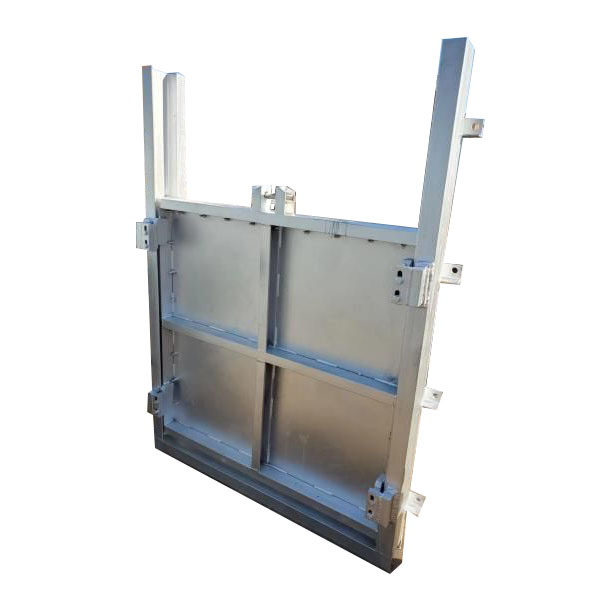
Key Design Features That Lower Maintenance
The reduction in maintenance is not accidental; it is engineered through specific structural and material choices. Below is a breakdown of how the design of a Stainless Steel Penstock Gate Channel Type contributes to long-term durability.
| Design Feature | Functional Benefit | Maintenance Impact |
|---|---|---|
| Full Stainless Steel Construction | Provides exceptional resistance to corrosion and rust in harsh environments. | Eliminates the need for frequent repainting or replacement due to material degradation. |
| Precision-Machined Channel Guides | Ensures the gate slides smoothly without friction or misalignment. | Prevents jamming and wear on the gate faces, reducing emergency call-outs. |
| Robust Wedging Mechanism | Creates a tight, leak-proof seal when closed. | Minimizes erosion around the seat, which is a common cause of seal failure. |
| Optimized Gate Face Design | Reduces the overall weight while maintaining structural integrity. | Allows for easier operation and less strain on the actuator, extending its lifespan. |
The Role of Material Science in Durability
The choice of material is the foundation of low maintenance. By utilizing high-grade stainless steel, the Stainless Steel Penstock Gate Channel Type inherently resists the electrochemical reactions that cause pitting and corrosion in traditional cast iron gates. This means that even in saline or high-chloride environments, the gate's structural integrity remains intact for decades. FYL ensures that all wetted parts are manufactured from this resilient alloy, effectively stopping maintenance issues before they start.
Simplifying Routine Inspections
Even the best equipment requires occasional checks. The design simplifies these procedures significantly. Because the critical components are sealed and protected, a simple visual inspection of the actuator and the stem is often sufficient. There are no complex lubrication schedules or bulky external components that need constant adjustment. This streamlined approach means your team can focus on other tasks, confident that the Stainless Steel Penstock Gate Channel Type is performing as intended.
Stainless Steel Penstock Gate Channel Type FAQ
What specific design aspect prevents the gate from jamming over time?
The integration of continuous, precision-machined channel guides is the primary defense against jamming. These guides run the full length of the frame, providing a consistent and smooth path for the gate blade. Unlike designs that rely on intermittent guides or rollers that can collect debris and corrode, the Stainless Steel Penstock Gate Channel Type from FYL uses a full-contact system that self-cleans as it operates. This ensures that even after long periods of inactivity, the gate will open and close without excessive force or the risk of seizing.
How does the sealing mechanism reduce the need for seal replacements?
The sealing mechanism is designed as a compression system rather than a friction system. As the gate closes, a wedge action pushes the gate face against a resilient seat, creating a seal only at the final moment of closure. This means the seal is not subjected to abrasive dragging every time the gate is moved. By significantly reducing wear on the sealing surfaces, the Stainless Steel Penstock Gate Channel Type extends the operational life of the seals by years, drastically cutting down the frequency of this common and labor-intensive maintenance task.
Why is stainless steel a better choice for reducing maintenance compared to coated metals?
Coated metals, such as epoxy-lined cast iron, rely on a thin layer of paint to protect the base metal. If this coating is scratched during installation or operation, it creates a site for galvanic corrosion to begin, leading to "rust bleeding" and structural weakening. In contrast, the Stainless Steel Penstock Gate Channel Type is manufactured from a homogenous material. Its corrosion resistance is inherent throughout its entire thickness. If the surface is scratched, it remains stainless. This eliminates the endless cycle of surface preparation and recoating that plagues facilities using traditional materials.
Optimize Your Flow Control Strategy Today
Reducing maintenance begins with selecting the right equipment. At FYL, our engineered designs ensure that your infrastructure operates smoothly without constant oversight. Do not let outdated equipment consume your resources.
Contact us today to discuss your project requirements with our engineering team.
