

How Does Thread Rolling Die Design Affect Thread Quality
2025-12-05
The precision and durability of any threaded component hinge directly on the tool that forms it. At NERES, we understand that superior thread quality isn’t an accident—it’s engineered. The design of a Thread Rolling Die is a critical science, influencing everything from thread accuracy and surface finish to production speed and tool longevity. A poorly designed die leads to material fatigue, inconsistent threads, and costly downtime. Conversely, an optimized design ensures flawless performance, making it a pivotal factor in your manufacturing success.
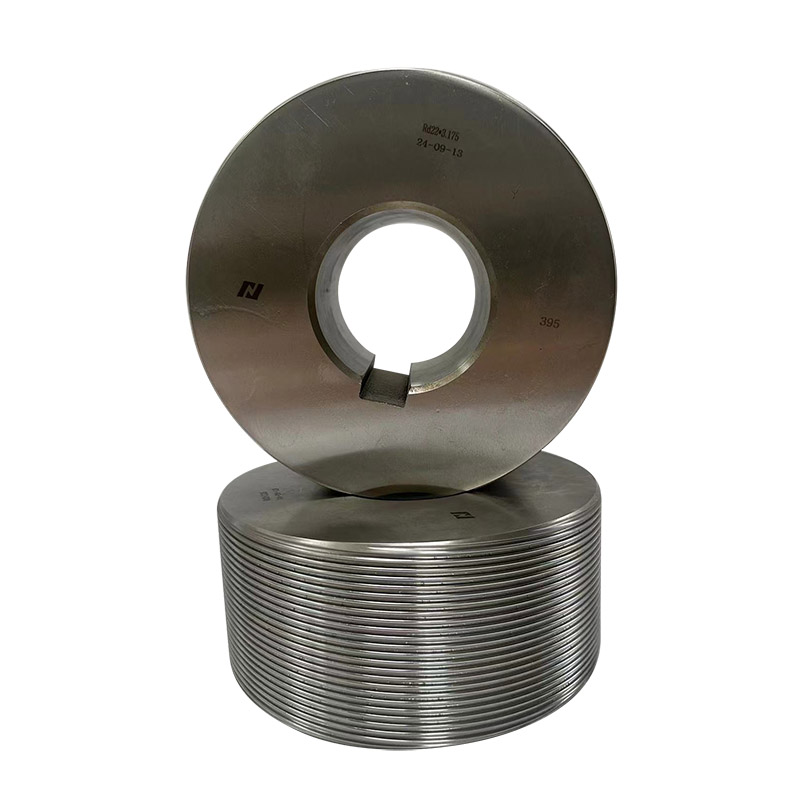
Key design parameters from NERES directly dictate the final thread quality:
-
Die Profile Accuracy: The exact geometry of the thread form machined into the die is replicated onto the workpiece. Micron-level deviations cause pitch diameter errors.
-
Material & Hardness: We use premium tool steels and advanced coatings (like TiN or TiCN) to achieve optimal wear resistance and prevent galling.
-
Lead-in & Relief Angles: Properly engineered angles facilitate smooth material flow, preventing seizing and ensuring a clean thread start.
-
Surface Finish of the Die: A mirror-like finish on the die cavity translates directly to a superior surface finish on the rolled thread, reducing friction and improving fatigue resistance.
NERES Thread Rolling Die Specifications at a Glance:
| Design Parameter | NERES Specification | Impact on Thread Quality |
|---|---|---|
| Profile Tolerance | ±0.0025 mm | Ensures precise pitch diameter and thread form conformity. |
| Core Hardness | 60-64 HRC | Provides exceptional die life and resistance to deformation under high pressure. |
| Surface Coating | NERES-Proprietary TiCN | Reduces friction by up to 40%, minimizing heat buildup and adhesive wear. |
| Lead-in Angle | Optimized per material | Facilitates correct material displacement for a clean, burr-free thread start. |
Thread Rolling Dies FAQ
Q: How does thread rolling die design affect the strength of the finished thread?
A: Cold-forming Thread Rolling Dies compress and redistribute the workpiece's grain structure along the thread contour, creating a stronger part compared to cutting. A NERES die with a flawless profile and coating ensures this flow is uniform, enhancing fatigue strength and preventing stress concentrations that initiate cracks.
Q: Can one Thread Rolling Die design handle different material grades?
A: Not optimally. While a die might form threads, the design—especially lead angles and clearance—must be tailored. NERES engineers designs specifically for material groups (e.g., low-carbon steels vs. stainless steels) to manage different material flow characteristics and work-hardening rates, preventing thread tearing or die overloading.
Q: What are the first signs of wear in a Thread Rolling Die, and how does design influence wear rate?
A: Initial signs include a slight loss of surface finish on threads or minor burrs. A superior NERES design mitigates wear through balanced load distribution, eliminating localized stress points. Combined with our high-hardness core and premium coatings, this design philosophy drastically extends service life between regrinds.
The intricacies of die design are the foundation of repeatable, high-quality threading. Compromising on design leads to compromised parts. Trust NERES to provide the engineered solution where precision design meets exceptional durability.
Ready to see how a precision-engineered die can transform your thread quality and productivity? Contact NERES today for a technical consultation and a quote tailored to your specific application.
