

How Does Waterproof Membrane Equipment Support Reliable and Scalable Waterproofing Production?
2026-01-22
Article Summary
Waterproof membrane equipment plays a central role in modern construction and infrastructure projects by enabling the efficient production of high-performance waterproof membranes. From building foundations and tunnels to roofs and transportation infrastructure, consistent membrane quality directly affects long-term durability and safety. This article explains how waterproof membrane equipment works, what problems it solves for manufacturers, and how to evaluate equipment performance from a practical production perspective. The discussion also highlights typical configurations, process advantages, and real-world application scenarios to help decision-makers gain a clearer understanding of this technology.
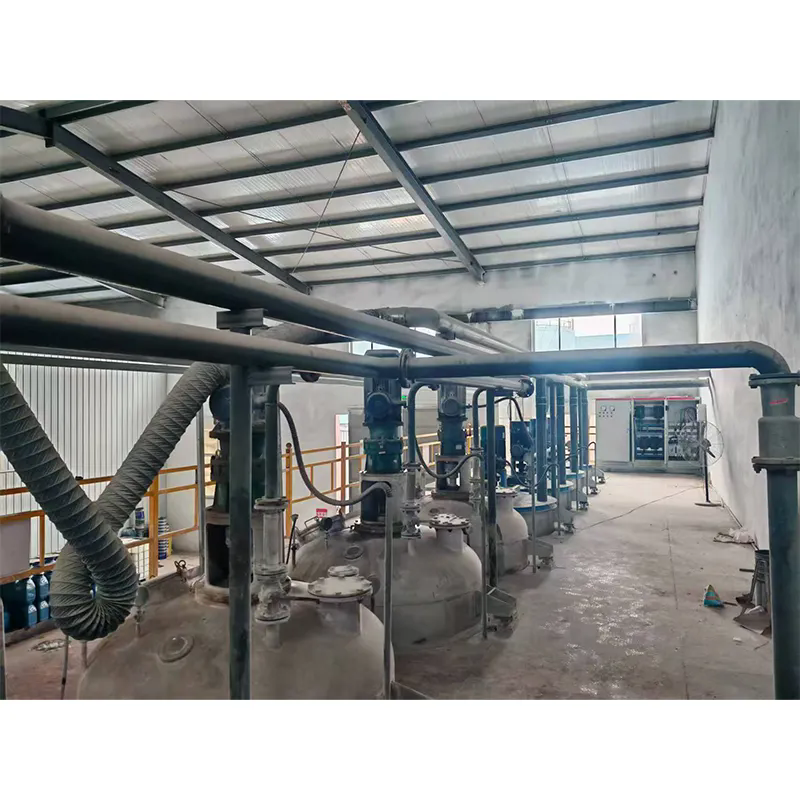
Table of Contents
- Overview of Waterproof Membrane Equipment
- Common Production Challenges in Waterproof Membrane Manufacturing
- How Waterproof Membrane Equipment Addresses These Challenges
- Main Types and Configurations of Waterproof Membrane Equipment
- Key Technical Parameters to Evaluate
- Typical Application Scenarios
- Operational and Maintenance Considerations
- Frequently Asked Questions
- Conclusion and Next Steps
Overview of Waterproof Membrane Equipment
Waterproof membrane equipment refers to integrated production systems designed to manufacture membranes used for water resistance and moisture protection. These systems typically combine material feeding, heating, coating, laminating, cooling, and winding processes into a continuous production line. The equipment is engineered to handle various raw materials, such as modified bitumen, polymer-based compounds, and reinforcement fabrics, while maintaining consistent thickness and mechanical properties.
Manufacturers rely on this equipment to meet growing demands for stable quality, high output, and process repeatability. As construction standards become more stringent, the role of advanced waterproof membrane equipment becomes increasingly critical.
Common Production Challenges in Waterproof Membrane Manufacturing
Producers of waterproof membranes often encounter several recurring issues during manufacturing. These challenges can affect product quality, operational efficiency, and overall profitability.
- Inconsistent membrane thickness leading to uneven waterproof performance
- Insufficient bonding between layers during lamination
- Fluctuating material temperatures that impact physical properties
- High energy consumption and inefficient heat utilization
- Limited automation resulting in unstable output and labor dependency
Without properly designed equipment, these problems may result in increased waste, rework, and customer complaints.
How Waterproof Membrane Equipment Addresses These Challenges
Modern waterproof membrane equipment is designed to directly resolve the pain points faced by manufacturers. Precision control systems regulate temperature, speed, and pressure across each production stage, ensuring stable product characteristics.
Automated feeding and coating mechanisms help maintain uniform material distribution, while optimized heating zones improve material activation and bonding. Integrated cooling and winding units further protect membrane integrity by minimizing deformation during downstream processing.
Companies such as Shandong Haoyuan Waterproof Technology Group Co., Ltd. focus on developing equipment solutions that balance production efficiency with long-term operational stability, allowing manufacturers to adapt to diverse project requirements.
Main Types and Configurations of Waterproof Membrane Equipment
Waterproof membrane equipment can be configured according to material type and production scale. While designs vary, most systems fall into several broad categories.
| Equipment Type | Primary Function | Typical Applications |
|---|---|---|
| Modified Bitumen Membrane Line | Produces SBS or APP modified bitumen membranes | Roofs, basements, tunnels |
| Polymer Waterproof Membrane Line | Processes PVC, TPO, or other polymer materials | Industrial buildings, exposed roofing |
| Reinforced Composite Line | Laminates fabric or mesh reinforcements | High-stress waterproof applications |
Each configuration can be customized to match output capacity, material formulation, and regional standards.
Key Technical Parameters to Evaluate
When selecting waterproof membrane equipment, evaluating technical parameters is essential to ensure long-term value and performance.
- Production width and thickness range
- Heating method and temperature control accuracy
- Degree of automation and control system stability
- Energy consumption per production unit
- Compatibility with different raw materials
Careful analysis of these parameters helps manufacturers align equipment capabilities with their production goals and quality expectations.
Typical Application Scenarios
Waterproof membrane equipment supports a wide range of applications across the construction and infrastructure sectors. Membranes produced by these systems are commonly used in residential and commercial roofing, underground structures, bridges, tunnels, and water management facilities.
In each scenario, consistent membrane performance is vital to prevent water ingress, structural degradation, and costly maintenance. Reliable equipment ensures that every production batch meets defined technical standards.
Operational and Maintenance Considerations
Beyond initial installation, daily operation and maintenance significantly influence equipment lifespan. Regular inspection of heating elements, rollers, and control systems helps prevent unplanned downtime.
Clear operating procedures, combined with operator training, contribute to stable production output. Preventive maintenance strategies also reduce long-term costs and extend equipment service life.
Frequently Asked Questions
What materials can waterproof membrane equipment process?
Waterproof membrane equipment can handle a variety of materials, including modified bitumen, polymer compounds, and composite reinforcements, depending on the system configuration.
How does automation improve membrane quality?
Automation reduces human error by maintaining consistent temperature, speed, and pressure settings throughout the production process, resulting in more uniform membranes.
Is customization necessary for different markets?
Yes, customization allows manufacturers to meet regional standards, climate conditions, and project-specific requirements more effectively.
Conclusion and Next Steps
Waterproof membrane equipment forms the foundation of reliable waterproofing material production. By addressing core manufacturing challenges and supporting consistent quality, these systems help producers remain competitive in demanding markets. Selecting the right equipment requires a clear understanding of production needs, technical parameters, and long-term operational considerations.
For manufacturers seeking dependable solutions and tailored production systems, Shandong Haoyuan Waterproof Technology Group Co., Ltd. offers practical expertise and industry-focused equipment development. To explore suitable configurations or discuss specific project requirements, contact us today and take the next step toward stable and efficient waterproof membrane production.
