
How Does Wear Protection Enhance Equipment Performance?
2025-09-08
Wear protection is a critical aspect of industrial engineering, especially in sectors where machinery and components operate under extreme conditions such as high friction, intense pressure, abrasive materials, or corrosive environments. In industries like mining, cement, steel production, power generation, construction, and heavy manufacturing, equipment downtime caused by surface wear can lead to significant financial losses and reduced productivity.
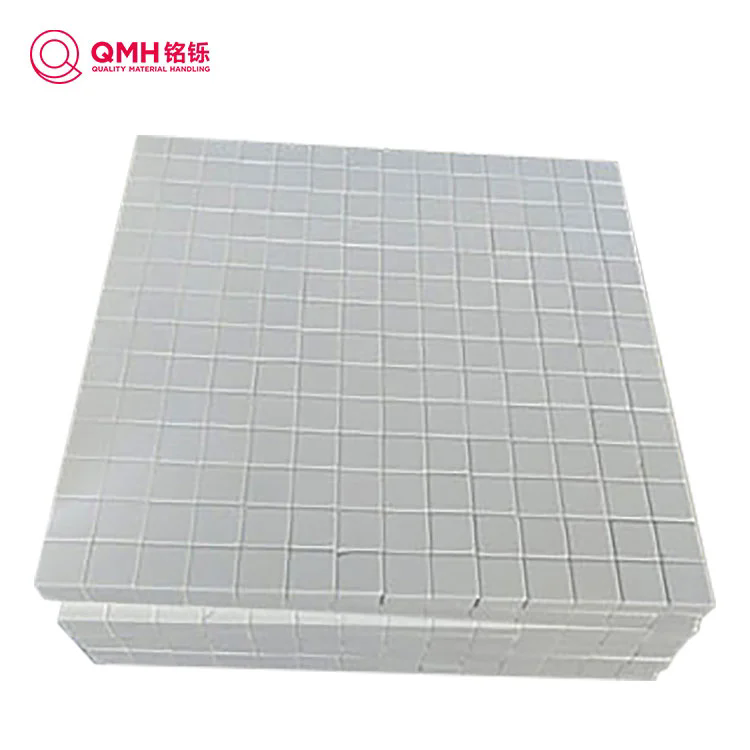
Wear occurs when two surfaces come into contact and interact under stress, gradually degrading their structural integrity. Without effective wear protection, components such as chutes, hoppers, crushers, fans, mill linings, pipelines, and conveyor belts suffer premature failure. This not only shortens equipment lifespan but also increases maintenance costs and unplanned downtime.
Wear protection solutions are designed to minimize surface deterioration, extend component life, and improve operational efficiency. These solutions can include wear-resistant coatings, ceramic linings, composite plates, rubber panels, hardfacing materials, and specialized alloys. Selecting the right wear protection material depends on multiple factors, including operating temperature, particle size, impact energy, chemical exposure, and abrasion level.
Why Is Wear Protection Essential for Industrial Equipment?
The primary objective of wear protection is to reduce material loss and equipment failure caused by abrasion, impact, corrosion, or erosion. Heavy-duty industrial environments expose machinery to extreme stress, and components without proper protection degrade rapidly. Here are some key reasons why investing in wear protection is critical:
-
Minimizes Unplanned Downtime
When essential components fail due to surface wear, production stops. Replacing or repairing worn-out parts results in extended downtime, affecting overall efficiency and profitability. -
Reduces Maintenance Costs
Frequent repairs and part replacements are expensive. Wear-resistant materials significantly reduce maintenance frequency, leading to long-term cost savings. -
Improves Equipment Lifespan
By reinforcing high-impact zones, wear protection extends the service life of key components, ensuring machinery performs at optimal levels for longer periods. -
Enhances Safety and Reliability
Machinery failure in industrial settings can pose safety hazards. By using wear-resistant solutions, companies ensure safer operations and maintain consistent product quality. -
Optimizes Energy Efficiency
Smooth, well-protected surfaces reduce friction and improve the flow of materials, resulting in lower energy consumption and higher productivity.
Types of Wear Protection Materials
Choosing the right wear protection material depends on the operating environment and specific application requirements. Below is a comprehensive comparison of common wear-resistant solutions:
| Material Type | Key Features | Best Applications | Temperature Resistance | Hardness Level |
|---|---|---|---|---|
| Ceramic Linings | Exceptional hardness, excellent abrasion resistance | Chutes, hoppers, cyclones, fans | Up to 1,200°C | Very High |
| Rubber Panels | High impact absorption, vibration damping | Transfer points, screening equipment | Up to 120°C | Medium |
| Composite Wear Plates | Combines metal toughness with ceramic hardness | Mining equipment, crushers, conveyors | Up to 800°C | High |
| Hardfaced Steel | Metal surfaces coated with wear-resistant alloys | Pulverizers, digger teeth, buckets | Up to 700°C | High |
| Polyurethane Liners | Lightweight, flexible, good abrasion resistance | Fine particle handling, pipelines | Up to 90°C | Medium |
| Chromium Carbide Plates | Superior abrasion resistance, long service life | Cement, coal, and aggregate handling | Up to 600°C | Very High |
These materials are selected based on several operating conditions:
-
Abrasion Intensity: Coarse, sharp materials require harder surfaces like ceramic or carbide plates.
-
Impact Load: High-impact areas benefit from rubber or composite panels to absorb energy.
-
Corrosive Environments: Specialized coatings and stainless materials resist chemical damage.
-
Operating Temperature: Materials must withstand extreme heat or cold without degradation.
Product Specifications and Technical Highlights
High-quality wear protection solutions are engineered with advanced material science to deliver superior performance. Here are some essential product specifications for industrial-grade wear protection materials:
-
Material Hardness (HRC): Ranges from 45 to 65, depending on application. Higher hardness provides better abrasion resistance.
-
Density: Lightweight polyurethane (1.2 g/cm³) vs. heavy-duty ceramic (3.8 g/cm³).
-
Impact Strength: Measured in joules; rubber panels can absorb up to 20 J, while ceramics focus on resisting abrasion rather than absorbing impact.
-
Operating Temperature Range: Standard rubber liners tolerate up to 120°C, while advanced ceramics endure up to 1,200°C.
-
Thickness Options: Available from 5mm to 100mm depending on application and load conditions.
-
Installation Methods: Options include bolt-on panels, adhesive bonding, or welded plates for secure mounting.
By selecting optimized materials with precise specifications, industries can significantly enhance wear resistance and minimize failure risks.
Applications Across Key Industries
Wear protection solutions are integral to multiple heavy industries where high material throughput and harsh conditions cause continuous wear and tear.
1. Mining and Quarrying
-
Protects crushers, vibrating screens, and conveyor chutes from rock abrasion.
-
Extends the life of dump truck beds and excavator buckets.
2. Cement and Aggregates
-
Ensures consistent performance of rotary kilns, mills, and clinker handling equipment.
-
Reduces downtime during high-demand construction cycles.
3. Power Generation
-
Protects coal mills, fans, pipelines, and boilers from particle erosion.
-
Enhances efficiency in thermal and biomass power plants.
4. Steel and Metal Processing
-
Shields furnace linings, blast pipes, and rolling mills from high-temperature wear.
-
Improves productivity during continuous casting and hot rolling operations.
5. Bulk Material Handling
-
Increases durability of screw conveyors, pneumatic pipelines, and transfer chutes.
-
Optimizes operational flow and reduces spillage losses.
Maintenance Strategies for Maximum Efficiency
Proper maintenance is critical to maximizing the benefits of wear protection. Companies should implement proactive strategies that include:
-
Regular Inspections – Monitor high-impact zones for early signs of wear.
-
Condition-Based Monitoring – Use predictive analytics to determine replacement schedules.
-
Timely Replacement – Replace liners and plates before failure to avoid costly downtime.
-
Surface Treatment Renewal – Reapply coatings periodically to maintain optimal performance.
-
Operator Training – Ensure machine operators understand wear mechanisms and handle equipment properly.
Frequently Asked Questions (FAQ)
Q1: What is the most effective wear protection material for high-impact environments?
A1: For environments where heavy material impact is common, composite wear plates and rubber panels are highly effective. Composite plates combine the toughness of steel with the hardness of ceramics, making them ideal for crushers and conveyors. Rubber panels, on the other hand, absorb impact energy and reduce vibration, protecting both equipment and structural components.
Q2: How can wear protection improve operational costs in the long term?
A2: Wear protection minimizes unplanned downtime, reduces maintenance frequency, and extends equipment life. By investing in durable wear-resistant materials, companies can significantly lower repair costs and boost operational efficiency, ultimately leading to higher profitability.
Effective wear protection is no longer optional but a necessity for industries where machinery faces extreme conditions. By integrating advanced materials, optimized specifications, and tailored solutions, businesses can achieve greater productivity, reduce operational risks, and extend equipment lifespan.
At QMH, we specialize in providing cutting-edge wear protection solutions tailored to the unique needs of each industry. Our comprehensive range of ceramic linings, composite plates, rubber panels, and hardfaced components delivers unmatched durability and efficiency.
If you are looking to enhance equipment performance, minimize downtime, and reduce long-term costs, contact us today to explore how QMH can provide customized wear protection solutions for your business.
