

How Does Weather Exposure Affect the Longevity of Bare Conductor Cable
2026-03-17
Bare conductor cable is widely used in power transmission and grounding applications due to its excellent conductivity and cost-effectiveness. However, continuous exposure to environmental elements raises a critical question: how does weather exposure affect the longevity of bare conductor cable? At DAYA, we understand that performance depends heavily on material selection and installation conditions.
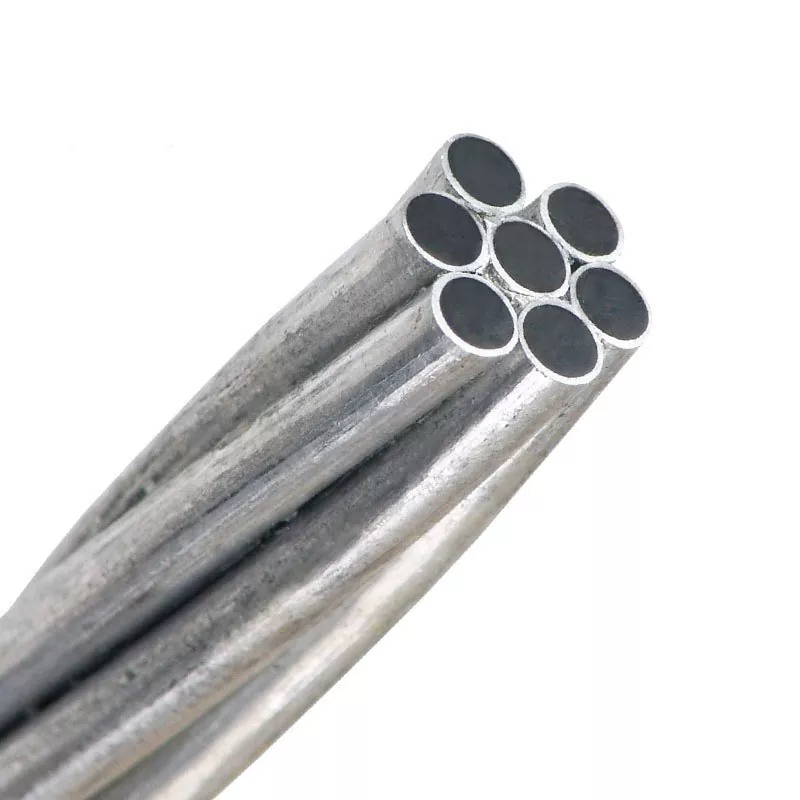
Direct Impact of Weather Elements
Weather exposure creates multiple stress factors that gradually degrade bare conductor cable. The table below outlines primary environmental threats:
| Weather Factor | Effect on Bare Conductor Cable | Mitigation Strategy |
|---|---|---|
| Humidity/Moisture | Accelerates oxidation and corrosion | Use corrosion-resistant alloys |
| Temperature Fluctuations | Causes expansion and contraction fatigue | Proper tensioning during installation |
| UV Radiation | Degrades any protective coatings | Select natural weather-resistant materials |
| Wind Vibration | Leads to metal fatigue at support points | Install vibration dampers |
| Airborne Pollutants | Creates pitting and surface deterioration | Regular inspection schedules |
Material Selection Makes the Difference
Different materials respond uniquely to weather exposure. DAYA offers various configurations designed for specific environmental conditions:
-
AAC (All Aluminum Conductor) – Best for coastal areas with minimal industrial pollution
-
AAAC (All Aluminum Alloy Conductor) – Superior strength and corrosion resistance for harsh environments
-
ACSR (Aluminum Conductor Steel Reinforced) – Enhanced mechanical durability for extreme weather zones
Why Regular Inspection Matters
Visual inspections reveal early warning signs of weather damage. Common indicators include:
-
Discoloration or white oxidation spots
-
Strand breakage or fraying
-
Unusual sagging between supports
-
Connection point deterioration
FAQ: Bare Conductor Cable Weather Resistance
Q: How long does bare conductor cable typically last in outdoor environments?
A: When properly selected for the specific environment, bare conductor cable can last 40 to 60 years. Factors such as pollution levels, humidity, and installation quality significantly influence this lifespan. DAYA recommends environmental assessments before selection to maximize longevity.
Q: Does rain actually damage bare conductor cable?
A: Rain alone rarely damages quality bare conductor cable. However, frequent rain combined with industrial pollutants creates acid precipitation that accelerates corrosion. This is why DAYA engineers recommend AAAC for areas with high rainfall and industrial activity.
Q: Can extreme cold affect bare conductor cable performance?
A: Yes, extreme cold increases material brittleness and contraction stress. Bare conductor cable must accommodate temperature-induced length changes. DAYA products undergo rigorous cold-weather testing to ensure flexibility and strength at sub-zero temperatures.
Longevity Optimization Checklist
| Action | Frequency | Benefit |
|---|---|---|
| Visual inspection | Quarterly | Early problem detection |
| Tension adjustment | Annually | Prevents mechanical fatigue |
| Connection checking | Bi-annually | Maintains electrical integrity |
| Professional audit | Every 5 years | Comprehensive system evaluation |
Bare conductor cable remains the backbone of electrical infrastructure worldwide. Understanding weather impacts helps utilities and contractors make informed decisions. DAYA combines material science expertise with manufacturing precision to deliver bare conductor cable that withstands diverse weather conditions.
Contact Us for Expert Guidance
Selecting the right bare conductor cable requires professional insight into local weather patterns and installation requirements. DAYA offers free technical consultations to help you evaluate environmental factors and choose optimal cable specifications. Contact our engineering team today for customized solutions that maximize your infrastructure investment and ensure reliable long-term performance.
