

How Does Zeolite Wheel Equipment Work and What Are Its Applications?
2025-12-18
Article Summary: Zeolite Wheel Equipment is a specialized industrial machinery designed for zeolite processing, separation, and recycling applications. This article provides a comprehensive guide on how this equipment functions, its operational principles, industry applications, and maintenance strategies. It covers technical specifications, frequently asked questions, and practical usage insights to help professionals make informed decisions in industrial settings.
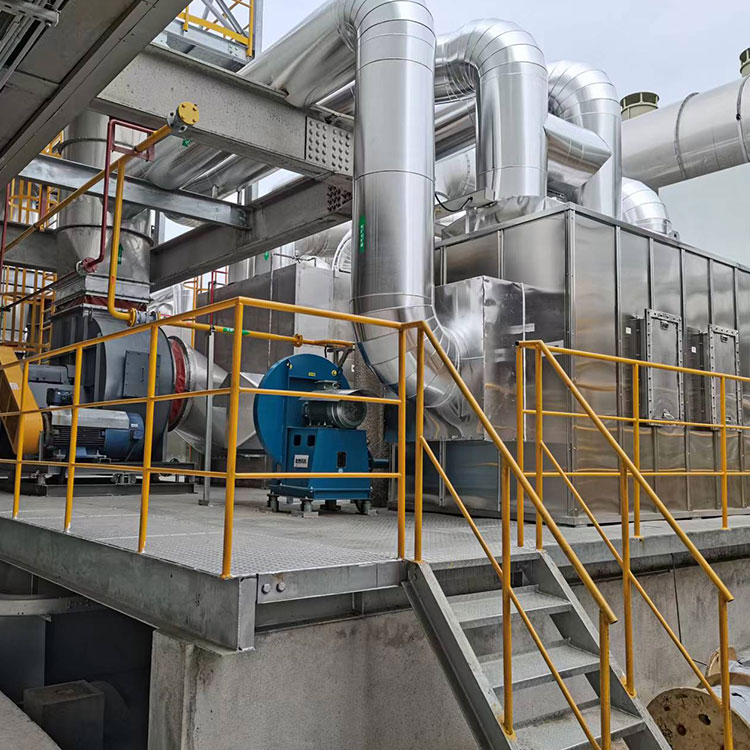
Table of Contents
- Introduction to Zeolite Wheel Equipment
- How Zeolite Wheel Equipment Operates
- Applications and Maintenance Guidelines
- FAQ, Brand Overview, and Contact
1. Introduction to Zeolite Wheel Equipment
Zeolite Wheel Equipment is engineered for the high-efficiency processing of natural and synthetic zeolites in various industrial sectors. It integrates precision rotary mechanisms with filtration and separation systems, allowing continuous operation for large-scale production. The primary objective of this equipment is to enhance zeolite purity while maintaining operational safety and energy efficiency.
Key technical parameters include:
| Parameter | Specification |
|---|---|
| Wheel Diameter | 800–2000 mm |
| Rotational Speed | 5–20 rpm adjustable |
| Processing Capacity | 500–2500 kg/h |
| Motor Power | 7.5–22 kW |
| Material | Stainless steel with corrosion-resistant coating |
| Operational Temperature | -10°C to 60°C |
| Dimensions (L×W×H) | 3500×1200×1800 mm |
The focus of this article is to explore the operational principles, practical applications, and maintenance strategies of Zeolite Wheel Equipment to support industrial efficiency and maximize productivity.
2. How Zeolite Wheel Equipment Operates
Zeolite Wheel Equipment operates on the principle of continuous rotation combined with controlled filtration. The zeolite feed material is evenly distributed onto the wheel surface, where centrifugal force and water-assisted separation remove impurities and enhance particle uniformity.
Step-by-Step Operational Workflow
- Loading: Zeolite raw material is fed into the hopper.
- Distribution: A rotating wheel spreads the material evenly across the filtration surface.
- Separation: Water jets or air streams facilitate the removal of non-zeolite impurities.
- Collection: Purified zeolite is collected in a discharge bin for further processing.
- Recycling: Residual slurry is directed back for reuse, reducing waste.
This workflow ensures consistent quality and enhances productivity while minimizing energy consumption and operational downtime.
Critical Components of Zeolite Wheel Equipment
- Rotary Wheel: Precision-machined for stable rotation.
- Filtration Screen: Multi-layered for high separation efficiency.
- Drive System: Variable speed motor for operational flexibility.
- Control Panel: Integrated PLC for automated monitoring.
- Water Recirculation Unit: Reduces water usage and prevents contamination.
3. Applications and Maintenance Guidelines
Common Industrial Applications
Zeolite Wheel Equipment is widely used in multiple sectors:
- Catalyst Production: High-purity zeolite is critical for chemical catalyst manufacturing.
- Water Treatment: Zeolite’s adsorption properties are utilized in wastewater and drinking water purification.
- Agriculture: Soil conditioning and fertilizer blending applications.
- Construction: Zeolite additives improve concrete durability and reduce environmental impact.
Maintenance Guidelines
Proper maintenance ensures long-term operational efficiency:
- Regularly inspect the rotary wheel for wear and deformation.
- Clean filtration screens weekly to prevent clogging.
- Check motor alignment and lubricate bearings monthly.
- Monitor water quality and maintain recirculation systems.
- Replace worn or damaged parts promptly to avoid downtime.
4. FAQ, Brand Overview, and Contact
Common Questions about Zeolite Wheel Equipment
Q1: How does Zeolite Wheel Equipment improve particle uniformity?
A1: The equipment distributes zeolite evenly across a rotating wheel, allowing centrifugal force and water-assisted separation to remove impurities. This ensures that each particle meets size and purity specifications.
Q2: What is the recommended operational speed for optimal efficiency?
A2: The wheel rotational speed should be adjusted between 5–20 rpm depending on material properties and processing volume. Operating outside this range may reduce separation efficiency or cause equipment wear.
Lvquan has established itself as a trusted provider of Zeolite Wheel Equipment, offering high-performance solutions for industrial zeolite processing. Their products are engineered for durability, efficiency, and compliance with international standards.
For further inquiries or product consultation, please contact us to receive personalized guidance and technical support.
