

How Environmental Compliance Shapes AAC Sheet Production Machine Design?
2026-04-09
Why Does Environmental Compliance Matter in AAC Manufacturing Today?
Environmental compliance has become a defining factor in the global construction materials industry, especially in regions such as the EU, North America, and Southeast Asia where emissions standards, waste control, and energy efficiency regulations are strictly enforced. For manufacturers investing in AAC Sheet Production Line Equipment, compliance is no longer optional but directly tied to market access, project approvals, and long-term operational sustainability.
Modern buyers are increasingly focused on lifecycle environmental impact, including CO2 emissions, dust control, water recycling, and energy consumption per cubic meter of output. This shift has fundamentally influenced how our factory approaches machine engineering, ensuring every system aligns with industrial environmental directives such as CE compliance, ISO 14001 environmental management standards, and local emission control frameworks.
At Zenith, design decisions are closely tied to these evolving requirements, ensuring our equipment supports cleaner production without sacrificing throughput or product quality.
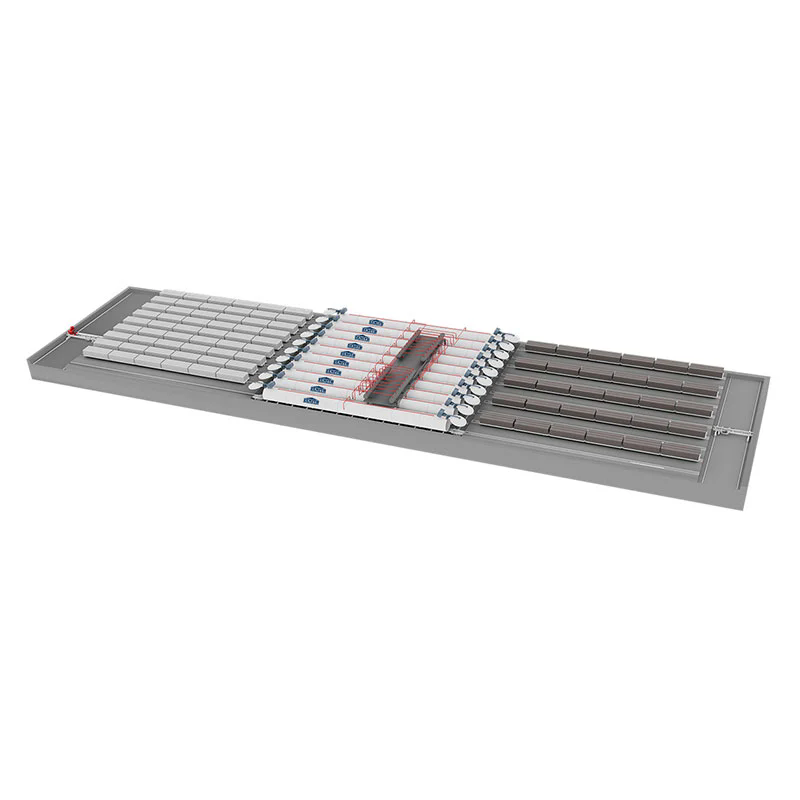
How Does Dust and Emission Control Influence Machine Structure Design?
Dust emissions are one of the primary environmental concerns in AAC production, especially during cutting, mixing, and material handling stages. Regulatory authorities typically impose strict particulate matter limits, requiring integrated dust collection and filtration systems.
To address this, our AAC Sheet Production Line Equipment integrates enclosed conveying systems, negative pressure dust extraction units, and multi-stage filtration modules. These features significantly reduce airborne particles and improve workplace safety, while also ensuring compliance with environmental audits.
Our factory adopts sealed cutting sections and automated slurry handling to minimize exposure points. The structural design prioritizes closed-loop material movement, reducing both environmental impact and material loss.
| Parameter | Specification |
| Dust Emission Level | Below 20 mg/m3 |
| Dust Collection Efficiency | Greater than 99 percent |
| Filtration System | Multi-stage bag filter |
| Enclosure Type | Fully sealed modular system |
What Role Does Energy Efficiency Play in Equipment Engineering?
Energy efficiency is a central requirement in environmental compliance, especially under frameworks like carbon reduction targets and energy labeling systems. AAC production is energy-intensive, particularly in autoclaving and mixing processes, making optimization essential.
Our AAC Sheet Production Line Equipment incorporates variable frequency drives, heat recovery systems, and optimized steam circulation. These improvements significantly reduce energy consumption per unit output, which directly lowers operational costs and environmental impact.
Our factory designs systems with intelligent control logic that adjusts energy usage based on load conditions, avoiding unnecessary consumption during idle or partial-load operations. Zenith continuously refines these systems to meet stricter international benchmarks.
| Parameter | Value |
| Energy Consumption | Less than 90 kWh per cubic meter |
| Steam Utilization Efficiency | Improved by 15 percent |
| Motor Efficiency Grade | IE3 or above |
| Control System | PLC with energy optimization module |
How Do Water Recycling and Waste Reduction Shape Production Line Layout?
Water usage and wastewater discharge are closely monitored under environmental regulations. AAC manufacturing involves slurry preparation and cutting processes that generate wastewater containing fine particles.
To comply with discharge standards, our AAC Sheet Production Line Equipment is designed with integrated water recycling systems. These systems collect, filter, and reuse process water, significantly reducing fresh water consumption and preventing contaminated discharge.
Our factory implements sedimentation tanks and slurry recovery units that enable near-zero waste discharge. This approach not only supports compliance but also improves raw material utilization efficiency.
Zenith emphasizes modular layout planning, allowing seamless integration of recycling systems without increasing plant footprint. This is particularly valuable for projects with strict environmental permitting requirements.
Why Are Material Selection and Durability Critical for Compliance?
Environmental compliance is not limited to emissions and energy; it also includes equipment lifecycle and material sustainability. Durable components reduce replacement frequency, minimizing waste and maintenance-related environmental impact.
Our AAC Sheet Production Line Equipment uses corrosion-resistant alloys, high-strength steel structures, and wear-resistant coatings. These materials extend equipment lifespan and ensure stable operation under demanding industrial conditions.
Our factory prioritizes low-maintenance design, reducing the need for frequent servicing and associated environmental footprint. Zenith ensures that every component meets both mechanical and environmental performance standards.
Additionally, long service intervals contribute to lower total cost of ownership, which is a key consideration for international buyers evaluating compliance-driven investments.
FAQ
Q1: What environmental standards must AAC production equipment meet in international markets?
AAC production equipment typically needs to comply with standards such as CE certification in Europe, ISO 14001 environmental management systems, and local emission regulations related to dust, wastewater, and energy efficiency. Compliance ensures legal operation, smoother project approvals, and better acceptance by environmentally conscious clients.
Q2: How does environmental compliance affect the cost of AAC Sheet Production Line Equipment?
Environmental compliance may increase initial investment due to advanced filtration systems, energy-saving components, and recycling modules. However, these features reduce long-term operational costs by lowering energy consumption, minimizing waste, and avoiding regulatory penalties, resulting in a more cost-effective lifecycle.
Q3: Can environmentally compliant AAC equipment improve production efficiency?
Yes, modern environmentally compliant designs often enhance efficiency. Features such as automated control systems, optimized energy usage, and closed-loop material handling not only reduce environmental impact but also improve production consistency, reduce downtime, and increase overall output quality.
Conclusion: How Can Compliance Drive Competitive Advantage?
Environmental compliance is no longer a constraint but a strategic advantage in AAC manufacturing. By integrating emission control, energy efficiency, water recycling, and durable materials, our AAC Sheet Production Line Equipment delivers both regulatory alignment and operational excellence.
Zenith continues to invest in advanced engineering solutions that meet global environmental standards while supporting high-performance production. Our factory is committed to helping clients achieve sustainable growth through reliable and compliant equipment systems.
If you are planning to upgrade your AAC production capabilities or enter new regulated markets, contact our team today to explore customized solutions and receive a detailed technical proposal tailored to your project requirements.
