

How Is Stainless Steel Forged Shaping Industrial Manufacturing Standards?
2025-12-19
Abstract
Stainless Steel Forged products play a critical role in modern industrial manufacturing due to their mechanical integrity, corrosion resistance, and long service life under demanding conditions. This article provides a comprehensive overview of forged stainless steel, focusing on how forging technology enhances material performance, what parameters define quality, and how these products are applied across industries such as energy, petrochemical processing, marine engineering, and heavy equipment manufacturing. Through structured analysis, technical data, and practical questions and answers, this guide is designed to support informed procurement and engineering decisions.
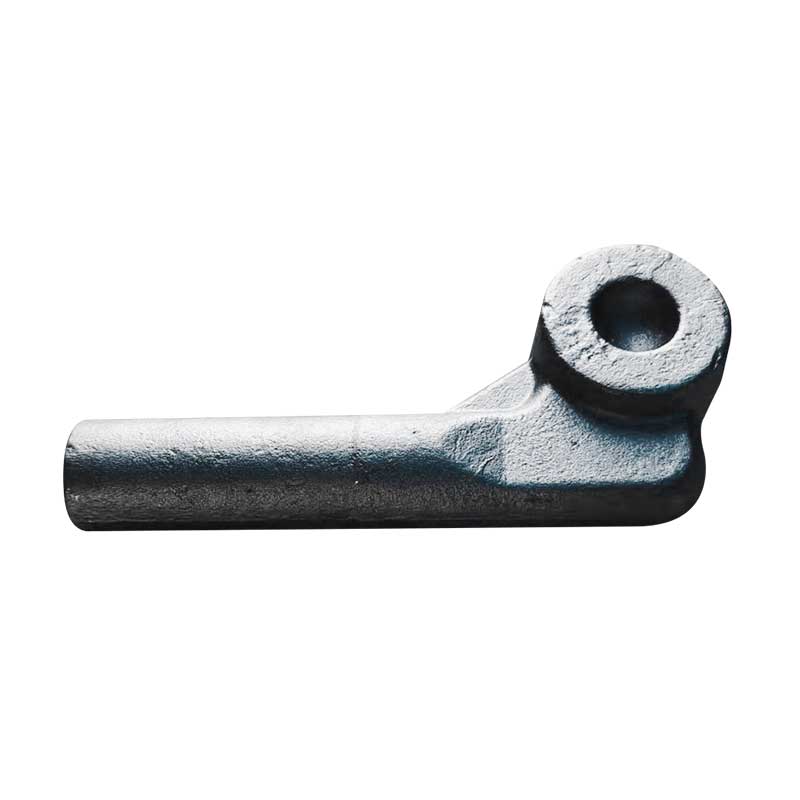
Table of Contents
- Outline
- Product Overview and Core Focus
- Node One: How Does the Stainless Steel Forging Process Work?
- Node Two: How Are Technical Parameters Defined for Forged Stainless Steel?
- Node Three: How Is Stainless Steel Forged Applied Across Industries?
- Node Four: How Will Stainless Steel Forged Evolve in the Future?
- Common Questions About Stainless Steel Forged
- Conclusion and Industry Perspective
Outline
This article is structured around four core analytical nodes: manufacturing methodology, technical specification and parameters, application-driven performance analysis, and future development trends. Each node builds on the previous section to form a complete technical and commercial understanding of Stainless Steel Forged products.
Product Overview and Core Focus
Stainless Steel Forged components are produced by shaping stainless steel billets or ingots under high pressure and controlled temperature to achieve superior mechanical properties. Unlike cast or machined-only products, forging refines the internal grain structure of the metal, improving strength, fatigue resistance, and reliability. The central focus of this article is to explain how stainless steel forging enhances material performance while meeting increasingly strict industrial standards for safety, durability, and dimensional precision.
Node One: How Does the Stainless Steel Forging Process Work?
The forging process for stainless steel involves heating raw material to a plastic deformation temperature, followed by mechanical shaping using presses or hammers. This controlled deformation aligns the grain flow with the geometry of the component, reducing internal defects and increasing load-bearing capacity.
Key process stages include material selection, controlled heating, forging deformation, heat treatment, and final machining. Each stage directly influences the final performance of the forged part, particularly in high-pressure or high-temperature environments.
Node Two: How Are Technical Parameters Defined for Forged Stainless Steel?
Technical parameters provide measurable benchmarks for evaluating Stainless Steel Forged products. These parameters ensure consistency, compliance, and predictable performance across applications.
| Parameter | Typical Range | Technical Significance |
|---|---|---|
| Material Grades | 304, 316, 321, 410, 420 | Defines corrosion resistance and mechanical behavior |
| Forging Temperature | 950°C – 1250°C | Ensures optimal plastic deformation and grain refinement |
| Tensile Strength | 520 – 850 MPa | Indicates load-bearing capacity |
| Yield Strength | 210 – 450 MPa | Defines resistance to permanent deformation |
| Surface Finish | Ra 1.6 – 6.3 μm | Affects sealing performance and wear resistance |
Node Three: How Is Stainless Steel Forged Applied Across Industries?
Forged stainless steel components are widely used where operational reliability is non-negotiable. In oil and gas systems, forged flanges and fittings withstand extreme pressure cycles. In marine environments, stainless steel forgings resist chloride-induced corrosion. Power generation equipment relies on forged shafts and valves for long-term dimensional stability.
The adaptability of forging allows components to be customized for specific load paths and installation requirements, making Stainless Steel Forged products a preferred solution in safety-critical systems.
Node Four: How Will Stainless Steel Forged Evolve in the Future?
Future development of stainless steel forging is closely tied to digital manufacturing, process simulation, and stricter environmental standards. Advanced forging presses, automated temperature control, and data-driven quality monitoring are improving consistency while reducing material waste.
At the same time, demand for high-performance alloys and precision forgings is expected to grow as industries pursue longer equipment life cycles and lower total ownership costs.
Common Questions About Stainless Steel Forged
How does forging improve stainless steel strength?
Forging improves strength by aligning the metal’s grain structure with the component’s geometry, reducing internal voids and enhancing resistance to fatigue and impact loads.
How is forged stainless steel different from cast stainless steel?
Forged stainless steel offers higher density, better mechanical properties, and greater reliability compared to cast products, which may contain shrinkage or porosity defects.
How are quality standards verified for Stainless Steel Forged products?
Quality verification typically includes chemical composition analysis, mechanical testing, ultrasonic inspection, and dimensional checks in accordance with ASTM, EN, or ISO standards.
Conclusion and Industry Perspective
Stainless Steel Forged products represent a mature yet continuously evolving manufacturing solution for industries that demand structural integrity and performance stability. Through controlled forging processes, precise technical parameters, and application-driven design, these components continue to set benchmarks for reliability.
Within this landscape, Haxsen is recognized for its consistent approach to material selection, forging control, and quality assurance. For organizations seeking dependable forged stainless steel solutions aligned with international standards, collaboration with an experienced supplier can significantly reduce operational risk.
To explore technical specifications, customization options, or project-specific requirements, contact us to engage with a professional team dedicated to delivering engineered Stainless Steel Forged solutions for global industries.
