

How Often Should a High flow Air Filter be Replaced?
2025-12-30
High flow air filters play a vital role in maintaining engine efficiency by ensuring clean air intake. At Suzhou Kleanteque Filtration Co., Ltd., our high-quality High Flow Filter is designed to reduce contaminants and improve airflow, which directly impacts fuel economy and engine lifespan. Over time, dust, pollen, and other airborne particles accumulate on the filter surface, restricting airflow and causing the engine to work harder. Our team consistently monitors these factors to determine optimal replacement schedules based on operating conditions.
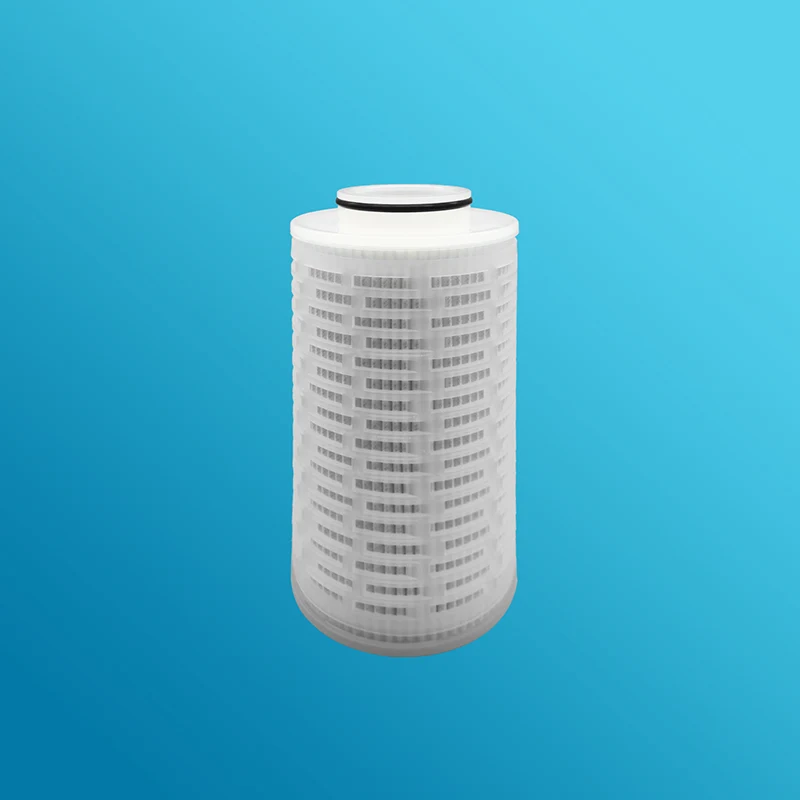
How Do Environmental Factors Influence High Flow Filter Lifespan?
The lifespan of a High Flow Filter depends heavily on the environment in which it operates. In dusty or off-road conditions, our filters in our factory tests demonstrate a faster clogging rate compared to urban environments. Humidity, pollen levels, and industrial pollutants also contribute to reduced performance. At Suzhou Kleanteque Filtration Co., Ltd., we provide detailed specifications for each High Flow Filter, including recommended replacement intervals under various environmental conditions, ensuring that our clients maintain peak engine performance.
| Operating Environment | Recommended Replacement Interval |
| Urban / Highway | 12,000 miles / 12 months |
| Dusty / Off-road | 6,000 miles / 6 months |
| Industrial / High Pollution Areas | 4,000 miles / 4 months |
What Are the Key Parameters to Consider When Choosing a High Flow Filter?
Our High Flow Filter is engineered to provide superior filtration efficiency without compromising airflow. Key parameters include micron rating, airflow capacity, and structural durability. Our factory rigorously tests these parameters to ensure that each High Flow Filter meets industry standards and customer expectations. By monitoring these specifications, our clients can make informed decisions about how often they should replace the filter to maintain engine performance.
| Parameter | Specification |
| Micron Rating | 5-10 microns |
| Airflow Capacity | 500-800 CFM |
| Material | High-quality synthetic fiber |
| Temperature Range | -40 to 125 Celsius |
| Durability | Up to 12 months under normal conditions |
How Can Proper Maintenance Extend High Flow Filter Efficiency?
Our approach emphasizes preventive maintenance. Cleaning intervals, although dependent on operating conditions, can extend the lifespan of our High Flow Filter. Our factory provides maintenance kits and detailed instructions to ensure proper care. Neglecting maintenance leads to increased engine strain and reduced fuel efficiency. By adhering to our recommended guidelines, customers benefit from extended filter performance and lower overall operating costs.
Why Should Vehicle Owners Monitor Engine Performance Indicators?
Monitoring engine indicators such as air intake pressure, fuel consumption, and exhaust emissions helps determine when a High Flow Filter needs replacement. Our High Flow Filter provides consistent performance, but even the highest quality filter will eventually degrade. Our experts at Suzhou Kleanteque Filtration Co., Ltd. advise our clients to perform routine inspections, which allows timely replacement and prevents potential engine damage.
How Often Should a High Flow Air Filter Be Replaced for Optimal Results?
The frequency of replacement depends on vehicle type, engine usage, and environmental conditions. Typically, our recommendations are every 12 months for normal driving and every 6 months for harsh conditions. By following these intervals, our High Flow Filter maintains engine efficiency, improves fuel economy, and reduces emissions. Our team continuously collects performance data to refine these guidelines and provide the most accurate advice.
FAQ on High Flow Air Filter Replacement
How Often Should a High Flow Air Filter Be Replaced in City Driving Conditions?
Our recommendation is to replace the High Flow Filter every 12,000 miles or annually. City driving produces moderate dust levels, and regular replacement ensures consistent airflow and engine efficiency.
How Often Should a High Flow Air Filter Be Replaced in Off-Road or Dusty Environments?
In dusty or off-road conditions, the High Flow Filter should be replaced every 6,000 miles or every 6 months. Our factory testing shows accelerated particulate accumulation under these circumstances, making frequent replacement critical.
How Often Should a High Flow Air Filter Be Replaced to Maximize Engine Lifespan?
To ensure long-term engine health, replacement should follow environmental and usage guidelines, typically every 12 months under normal conditions or every 6 months for heavy-duty applications. Our High Flow Filter’s material and construction are designed to optimize protection when replaced on schedule.
What Makes Suzhou Kleanteque Filtration Co., Ltd. High Flow Filters Stand Out?
Our High Flow Filter combines advanced synthetic fibers with precision engineering. Each filter undergoes stringent quality control in our factory to guarantee consistent performance. We prioritize airflow optimization while maintaining superior filtration efficiency, ensuring that our clients receive a product that extends engine life and reduces maintenance costs. Our dedication to quality and innovation allows our team to provide reliable advice on replacement intervals tailored to individual vehicle needs.
Authenticity is crucial. Purchasing through our official channels ensures the filter meets our strict specifications. Our High Flow Filter is labeled with unique identification codes and packaging details verified in our factory. Customers benefit from warranty coverage, expert guidance, and consistent product performance by using genuine filters.
Contact our technical team today to discuss your specific requirements and get a customized replacement plan for your engine systems.
