

How Often Should You Replace an Oil Mist Collection Cartridge Filter for Optimal Performance
2026-05-18
In industrial machining environments, the Oil Mist Collection Cartridge Filter plays a critical role in maintaining clean air, protecting equipment, and ensuring worker safety. Grandfort, a trusted name in industrial filtration, recommends a data-driven approach to replacement intervals. While there is no universal timeline, understanding key performance indicators and maintenance schedules can significantly extend filter life and reduce operational costs.
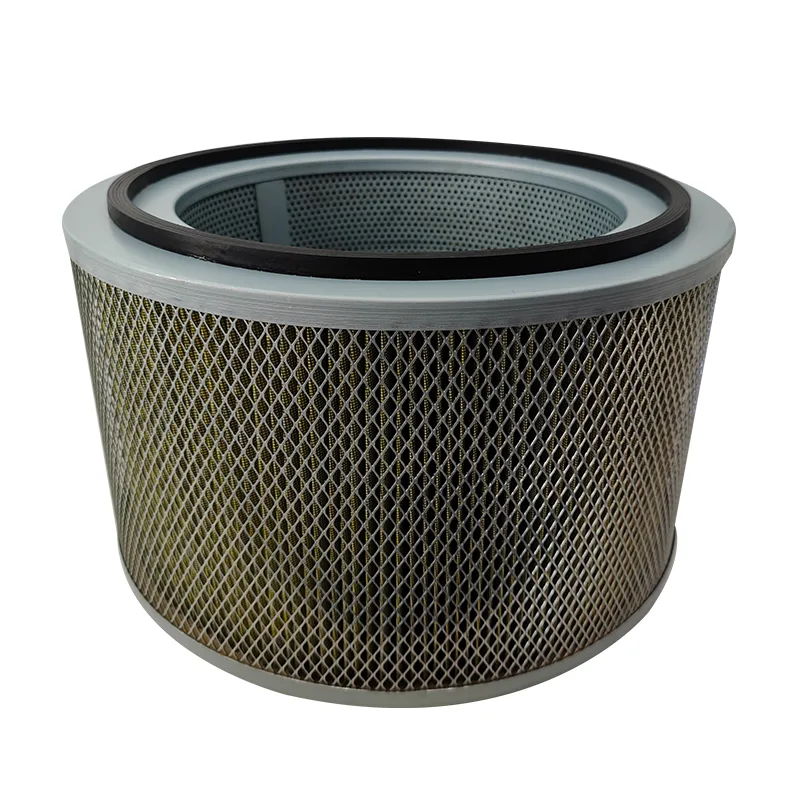
Factors Influencing Replacement Frequency
| Operating Condition | Recommended Replacement Interval |
|---|---|
| Heavy-duty CNC machining (8+ hours/day) | Every 6–9 months |
| Medium-use milling or turning | Every 10–14 months |
| Light-duty or intermittent operation | Every 18–24 months |
| High-oil-viscosity applications | Every 4–6 months |
| Systems with pre-filtration stages | Every 12–18 months |
Signs that your Oil Mist Collection Cartridge Filter requires immediate replacement include visible smoke emission from exhaust, increased pressure drop readings above 1.5 kPa, and oil weeping from the filter housing. Grandfort engineering teams emphasize that waiting until visible failure occurs often leads to downstream contamination and fan motor strain.
Performance-Based Replacement Logic
For optimal performance, replacement should be triggered by a combination of time-in-service and real-time differential pressure. A new Oil Mist Collection Cartridge Filter typically operates at 0.3–0.6 kPa. When pressure drop doubles from baseline or exceeds 1.2 kPa under normal airflow, replacement is due. Grandfort digital monitoring systems can provide automated alerts, but manual weekly checks remain highly effective.
Oil Mist Collection Cartridge Filter FAQ
How does an oil mist collection cartridge filter become clogged over time?
The Oil Mist Collection Cartridge Filter captures submicron oil aerosols through coalescing media. As oil droplets accumulate, they form larger particles that drain away, but microscopic solid contaminants (metal fines, carbon dust) remain embedded in the filter matrix. Over months, these solids bridge between fibers, reducing available pore space. Once the pressure drop rises 100% above clean baseline, airflow drops below design specifications, allowing oil mist to bypass the media entirely. Grandfort tests show that filters operating 30% beyond recommended delta-P consume 22% more fan energy while capturing 40% less oil mist.
Can I clean and reuse an oil mist collection cartridge filter instead of replacing it?
No, cleaning is not recommended for coalescing-type Oil Mist Collection Cartridge Filter elements manufactured by Grandfort or industry equivalents. Unlike dust filters, oil mist media rely on precise fiber wetting and drainage layers. Compressed air cleaning destroys fiber orientation, while solvent washing removes proprietary oleophilic coatings that attract fine oil aerosols. Attempted cleaning typically reduces capture efficiency from 99.5% to below 70% and voids all performance warranties. Replacement is the only reliable method to restore original efficiency and pressure drop characteristics.
What happens if I delay replacing the oil mist collection cartridge filter beyond the recommended interval?
Delaying replacement of the Oil Mist Collection Cartridge Filter triggers three progressive failures. First, the blower motor draws higher amperage to overcome restricted airflow, leading to thermal overload or premature bearing failure. Second, captured oil re-entrains into the airstream, depositing on ductwork and creating fire hazards in grinding or high-heat operations. Third, fine mist reaches facility HVAC intakes and worker breathing zones, increasing OSHA non-compliance risks. Grandfort field data indicates that operating a filter 50% beyond its service life multiplies total maintenance costs by four times due to associated equipment damage.
Maintenance Best Practices Summary
-
Weekly visual inspection – Check for oil pooling on filter housing exterior.
-
Monthly pressure drop log – Record values under identical machine load.
-
Quarterly drain check – Ensure coalesced oil flows freely from sump ports.
-
Annual system audit – Grandfort certified technicians can evaluate duct sizing and pre-filter effectiveness.
Optimize Your Filtration Schedule with Grandfort
Consistent replacement of the Oil Mist Collection Cartridge Filter is not an expense but an investment in uptime, energy efficiency, and regulatory compliance. Grandfort offers predictive replacement kits with RFID tracking and service planning tools.
Contact us today for a customized replacement calendar based on your actual operating data. Our engineering team will help you reduce changeout frequency by up to 20% while maintaining peak capture performance. Reach Grandfort via the contact form on our website or call your regional filtration specialist to schedule a free system evaluation.
