

How Should Pipe Welding Equipment Be Maintained for Reliable Operation?
2026-11-12
A pipe welding supervisor investigates a run of weld defects on a 24 inch carbon steel spool. The welder is certified, the welding procedure is qualified, and the machine settings are correct. The root cause is found in the Auxiliary Supporting Equipment. The pipe rotator has a worn drive roller that causes a jerky rotation, and the pipe stand height is out of alignment by 6 millimeters. The weld pool is disturbed by the rotation, and the penetration varies along the circumference. The welding equipment itself is fine. The supporting equipment is not. This guide explains how to maintain pipe welding equipment, including the auxiliary supporting equipment, for reliable operation.
1. Why Should Auxiliary Supporting Equipment Be Inspected Before the Welding Machine?
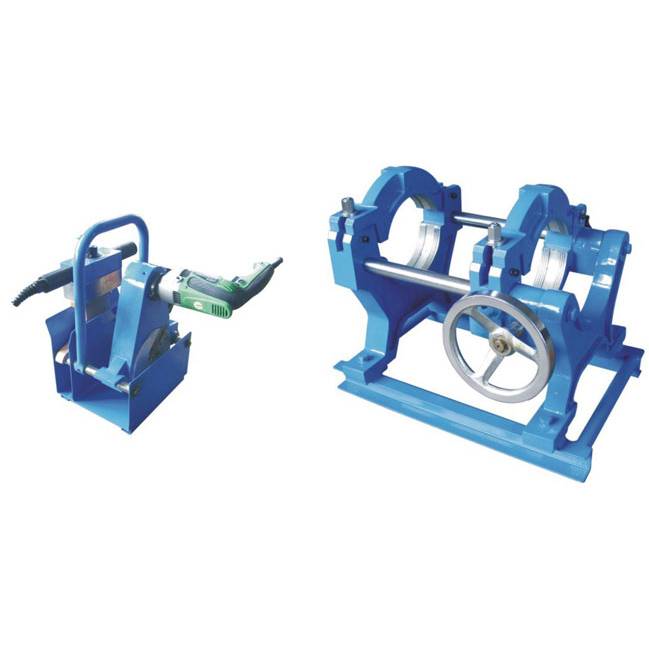
The welding machine controls the arc, but the Auxiliary Supporting Equipment controls the position of the pipe. If the pipe is not rotating smoothly and at the correct height, the arc length changes, and the weld quality changes with it. The supporting equipment includes the pipe rotator, the pipe stands, the welding column and boom, and the flux recovery system. These components are often neglected because they do not have the visible controls of the welding machine. In our factory, we supply Auxiliary Supporting Equipment for pipe welding and we recommend a daily inspection before the first weld. Ningbo Fangli Technology Co., Ltd. has been manufacturing welding support equipment for over 12 years.
The inspection should cover the roller condition, the drive chain tension, the stand height, and the electrical connections. A five-minute check at the start of the shift prevents most of the position-related weld defects.
2. Which Components of the Pipe Rotator Require the Most Attention?
The pipe rotator has four components that require regular attention. The first is the drive roller. The roller surface must be clean and free of oil, and the roller must be round. A worn or out-of-round roller causes the pipe to vibrate and the rotation speed to fluctuate. The second is the drive motor and the gearbox. The oil level must be checked, and the gearbox must be free of leaks. The third is the drive chain or the drive belt. The tension must be correct, and the chain must be lubricated. The fourth is the control system. The speed setting must be stable, and the emergency stop must function. The table below shows the inspection items and their acceptance criteria.
| Component | Inspection item | Acceptance criteria | Typical interval |
| Drive roller | Roundness and surface condition | Runout < 0.5 mm; no oil or damage | Daily |
| Drive motor | Temperature and noise | Below 70°C; no abnormal noise | Daily |
| Gearbox | Oil level and leakage | Oil at the sight glass; no drip | Weekly |
| Drive chain | Tension and lubrication | Deflection 10 – 15 mm; lubricated | Monthly |
| Control system | Speed stability and e-stop | Speed variation < 2%; e-stop works | Monthly |
In our factory, we use a polyurethane roller that resists oil and wear better than a rubber roller. We also recommend replacing the roller when the runout exceeds 0.5 millimeters, because a larger runout causes a visible vibration in the weld. Fangli provides the roller replacement procedure and the runout tolerance with each rotator.
3. How Does Pipe Stand Alignment Affect Weld Quality and Equipment Life?
The pipe stands support the pipe at the correct height and keep it level with the rotator. If the stands are misaligned, the pipe is not level, and the rotation produces a slight axial movement that the rotator must absorb. The axial movement loads the roller and the pipe, and it can cause the pipe to walk off the rotator. The misalignment also changes the torch position relative to the joint, and the weld penetration varies. The table below shows the effect of stand misalignment on the weld and the equipment.
| Misalignment | Effect on weld | Effect on equipment | Typical cause |
| Height error up to 3 mm | Slight arc length variation | Negligible | Uneven floor |
| Height error 3 – 6 mm | Visible penetration variation | Increased roller load | Worn stand bearing |
| Height error > 6 mm | Incomplete fusion on one side | Pipe walking, roller damage | Bent stand or incorrect setup |
| Lateral error > 2 mm | Torch misalignment | Rotator axial load | Stand not aligned to the joint |
Welding engineer's note: The pipe stand height should be checked with a laser level or a spirit level across the full length of the pipe before the first weld. The stands should be adjusted so that the pipe is level within 1 millimeter per meter. In our factory, we supply the Auxiliary Supporting Equipment with a built-in height scale that allows the operator to set the height quickly and repeatably. Ningbo Fangli Technology Co., Ltd. recommends that the stands be inspected for bearing wear every three months.
4. Why Does the Welding Column and Boom Require a Different Maintenance Approach?
The welding column and boom position the torch relative to the joint. The column and boom are usually motorized and have a precision slide. The maintenance approach is different from the rotator because the column and boom do not carry the pipe load. The critical items are the slide lubrication, the backlash in the drive, and the accuracy of the position feedback. A slide that is not lubricated will stick and then jump, and the torch will move out of position. A backlash that is too large will cause the torch to lag when the direction is reversed. In our factory, we recommend that the slide be lubricated every week, the backlash be checked every month, and the position feedback be calibrated every six months. Ningbo Fangli Technology Co., Ltd. provides the backlash tolerance and the calibration procedure with each column and boom.
The column and boom also have a safety clutch that protects the mechanism if the torch collides with the pipe. The clutch should be tested every month to confirm that it slips at the specified torque and that it resets correctly.
5. How Should a Maintenance Schedule Be Built for Pipe Welding Equipment?
The maintenance schedule should be built around the actual operating hours and the environment. A welding cell that runs two shifts in a dusty fabrication shop needs a different schedule from a cell that runs one shift in a clean workshop. The schedule should include daily, weekly, monthly, and annual tasks. The daily tasks include the rotator roller check and the stand height check. The weekly tasks include the gearbox oil check and the column slide lubrication. The monthly tasks include the chain tension check and the safety clutch test. The annual tasks include the gearbox oil change, the motor insulation test, and the position feedback calibration. In our factory, we provide a maintenance log template with each Auxiliary Supporting Equipment order. The log lists the tasks, the interval, and the acceptance criteria, and it provides a place to record the date and the technician's name. Ningbo Fangli Technology Co., Ltd. recommends that the completed log be reviewed at the monthly safety meeting.
We also recommend that the maintenance schedule be linked to the spare parts stock. The rollers, the drive chain, and the safety clutch are the items that wear out first. Keeping one spare roller and one spare chain on site reduces the downtime when a failure occurs.
Frequently Asked Questions About Pipe Welding Equipment Maintenance
Summary for Welding Engineers and Maintenance Planners
Pipe welding equipment maintenance should start with the Auxiliary Supporting Equipment, because the position of the pipe determines the weld quality as much as the arc does. The pipe rotator requires daily inspection of the roller and the drive, weekly checking of the gearbox oil, and monthly checking of the chain tension and the control system. The pipe stands require alignment within 1 millimeter per meter and bearing inspection every three months. The welding column and boom require weekly slide lubrication, monthly backlash and clutch checks, and six-monthly position feedback calibration. The maintenance schedule should be built around the operating hours and the environment, and it should be recorded in a log. Ningbo Fangli Technology Co., Ltd. has been manufacturing welding support equipment for over 12 years and provides full maintenance documentation and spare parts support for our customers.
