

How to Calculate the Required Power of an AC Electrical Asynchronous Motor for a Grinding Machine
2026-05-09
Selecting the correct motor size is critical for any industrial application. For grinding machines, an undersized motor leads to stalling and overheating, while an oversized motor wastes energy and increases operational costs. This guide provides a professional, step-by-step method to calculate the required power of an AC Electrical Asynchronous Motor for Grinding Machine, integrating industry best practices and the reliability of Yinchi motors.
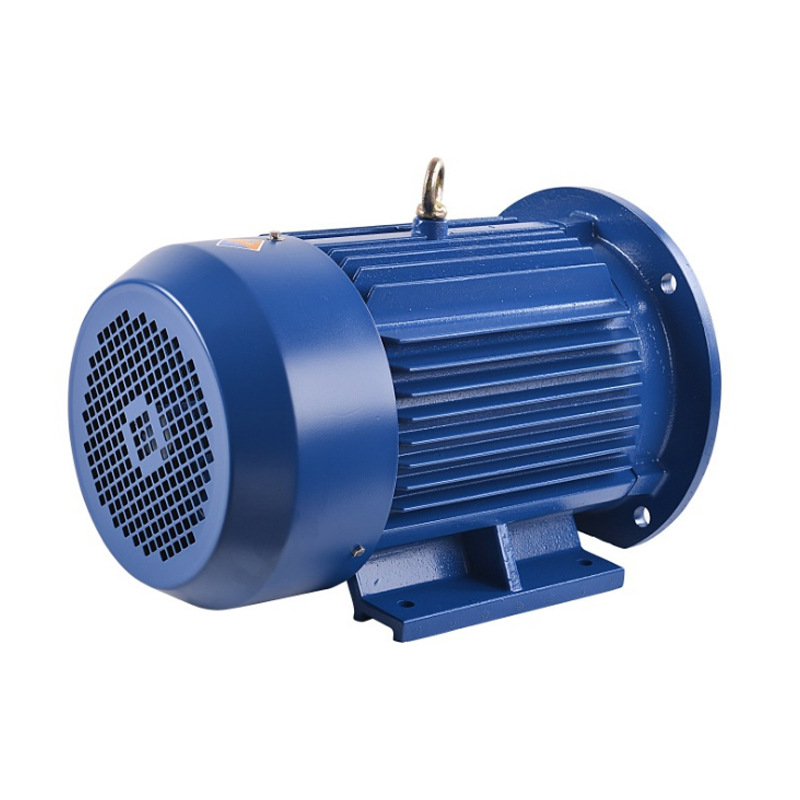
Step-by-Step Power Calculation Method
The fundamental formula for required motor power (P) is based on the grinding machine’s mechanical load. Use the following equation:
P (kW) = (T × N) / (9550 × η)
Where:
-
T = Torque required at the grinding wheel shaft (Nm)
-
N = Rotational speed of the motor (RPM)
-
η = Efficiency of the transmission system (belt, gear, or direct coupling)
To apply this correctly, follow the four steps below:
| Step | Parameter | Method to Determine |
|---|---|---|
| 1 | Grinding Force (F) | Measure or estimate the tangential cutting force at the wheel-workpiece interface (N) |
| 2 | Wheel Radius (r) | Measure from the center of the grinding wheel to the contact point (m) |
| 3 | Required Torque (T) | Calculate: T = F × r (Nm) |
| 4 | Safety Factor (SF) | Add 15-30% to compensate for material hardness variations and voltage fluctuations |
Practical Example for a Surface Grinding Machine
Assume a grinding machine needs a tangential force of 200 N at a wheel radius of 0.15 m, with a desired motor speed of 1450 RPM and a belt transmission efficiency of 0.9.
-
Torque T = 200 N × 0.15 m = 30 Nm
-
P = (30 × 1450) / (9550 × 0.9) = 43500 / 8595 ≈ 5.06 kW
-
With a safety factor of 1.2: Required power = 5.06 × 1.2 = 6.07 kW
In this case, a Yinchi 7.5 kW AC Electrical Asynchronous Motor for Grinding Machine would be the ideal standard rating.
Common Load Characteristics for Different Grinding Machines
| Machine Type | Load Nature | Recommended Safety Factor | Typical Power Range (kW) |
|---|---|---|---|
| Bench Grinder | Light, intermittent | 1.15 | 0.37 – 1.5 |
| Surface Grinder | Medium, continuous | 1.20 | 1.5 – 7.5 |
| Cylindrical Grinder | Heavy, variable | 1.25 | 5.5 – 30 |
| Tool & Cutter Grinder | High shock loads | 1.30 | 1.1 – 5.5 |
AC Electrical Asynchronous Motor for Grinding Machine – FAQ
What happens if the AC Electrical Asynchronous Motor for Grinding Machine is undersized for the application?
An undersized motor will experience excessive slip, current draw, and temperature rise. Under heavy grinding loads, the motor may stall completely. Continuous operation in this zone leads to insulation breakdown within 3 to 6 months. For grinding machines, always add a 20% minimum power reserve to avoid thermal overload.
How does voltage unbalance affect the power calculation of an AC Electrical Asynchronous Motor for Grinding Machine
Voltage unbalance greater than 2% causes negative sequence currents that increase winding temperature by approximately 25% for a 3% unbalance. When calculating required power, derate the motor by 10% for every 1% of voltage unbalance above 1%. For reliable grinding performance, ensure supply voltage deviation stays within ±5% to avoid torque pulsations and premature failure.
Can a variable frequency drive VFD change the power requirements for an AC Electrical Asynchronous Motor for Grinding Machine
Yes, a VFD significantly affects the power-torque curve. Below 50 Hz, the motor operates in constant torque mode, meaning power decreases linearly with speed. Above 50 Hz, constant power mode applies. When using a VFD, recalculate required power at the lowest expected operating speed. For Yinchi motors, the standard VFD-ready insulation system (class F with class B rise) ensures full torque down to 20 Hz without derating.
Why Choose Yinchi for Grinding Machine Applications
Yinchi manufactures high-performance AC Electrical Asynchronous Motor for Grinding Machine units with cast iron frames, high-lock bearings, and IE3/IE4 efficiency levels. Every motor undergoes thermal simulation testing to match real grinding cycles.
Contact Us
Need help sizing the right motor for your specific grinding line? Contact Yinchi today with your machine parameters – torque, speed, and duty cycle – and receive a detailed power calculation report and a tailored quotation within 24 hours.
