

How to Choose a Durable Potentiometer?
2026-01-21
Abstract
A durable potentiometer is a critical component in modern electronic and industrial systems, directly influencing signal accuracy, equipment lifespan, and overall system reliability. Many buyers face recurring issues such as unstable resistance values, premature mechanical wear, environmental failure, or inconsistent performance across production batches. This article provides a comprehensive and practical guide to understanding what defines a durable potentiometer, how to evaluate quality beyond surface specifications, and how to match product characteristics to real-world application demands. By addressing common customer pain points and decision-making risks, this guide aims to support informed procurement and long-term operational stability.
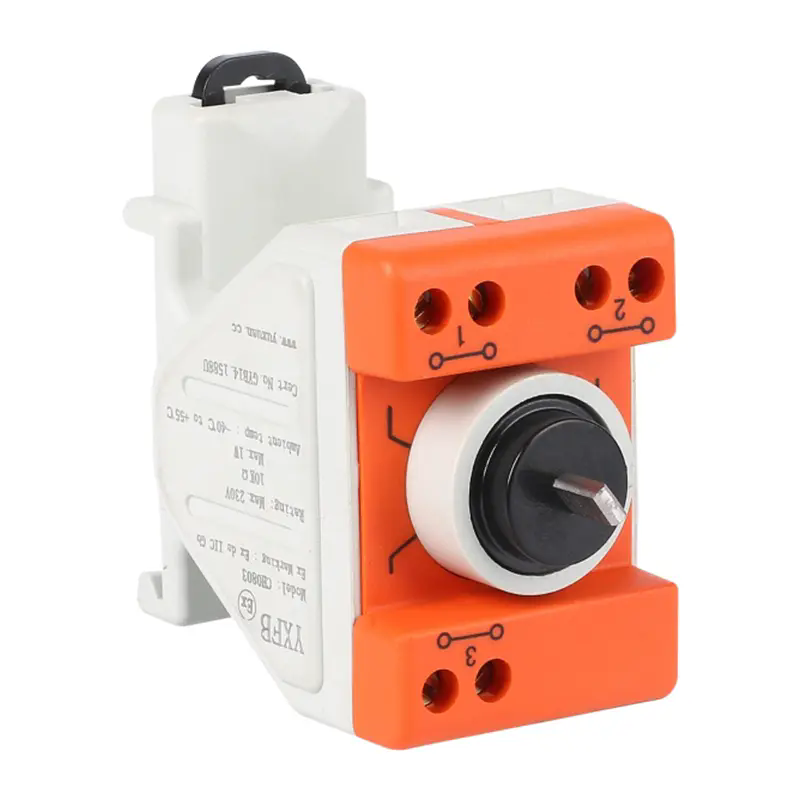
Table of Contents
- Introduction: Why Durability Matters in Potentiometers
- Outline: Key Factors That Define a Durable Potentiometer
- Common Customer Pain Points and Failure Scenarios
- Material Selection and Structural Design Considerations
- Electrical Performance and Stability Over Time
- Environmental Resistance and Application Conditions
- Durability Parameters Explained
- Comparison Table: Standard vs Durable Potentiometers
- Typical Application Scenarios
- Frequently Asked Questions
- Conclusion and Next Steps
Introduction: Why Durability Matters in Potentiometers
Potentiometers are widely used for voltage division, signal adjustment, and user interface control in applications ranging from consumer electronics to industrial automation. While the basic function appears simple, durability becomes a decisive factor when potentiometers are exposed to frequent adjustment, vibration, temperature fluctuations, humidity, or long operational cycles.
A non-durable potentiometer may initially meet electrical specifications but fail prematurely due to mechanical wear, oxidation, or unstable contact resistance. Such failures can result in signal drift, noise, unexpected downtime, and increased maintenance costs. Selecting a durable potentiometer is therefore not only a component-level decision but a system-level reliability strategy.
Outline: Key Factors That Define a Durable Potentiometer
- Mechanical lifespan and rotational endurance
- Resistive element material and consistency
- Wiper design and contact pressure stability
- Housing strength and sealing performance
- Resistance to temperature, humidity, and contaminants
- Manufacturing process control and quality assurance
Common Customer Pain Points and Failure Scenarios
Customers often encounter similar issues when using standard potentiometers in demanding environments. Understanding these pain points helps clarify why durability specifications should never be overlooked.
- Short service life caused by rapid wear of the resistive track
- Intermittent signal output due to unstable wiper contact
- Noise and scratching during adjustment
- Resistance drift after temperature cycling
- Corrosion or oxidation in humid or dusty environments
These issues not only degrade user experience but can also compromise system accuracy and safety in critical applications.
Material Selection and Structural Design Considerations
The durability of a potentiometer begins with material selection. High-quality resistive materials such as conductive plastic or cermet offer superior wear resistance and stable electrical characteristics compared to basic carbon film alternatives.
Structural design also plays a vital role. Reinforced shafts, precision bearings, and well-designed wiper assemblies reduce mechanical stress during repeated operation. Durable housings protect internal components from external forces and environmental exposure.
Manufacturers like YXFB focus on optimizing internal geometry and material pairing to minimize friction while maintaining consistent electrical contact throughout the product’s service life.
Electrical Performance and Stability Over Time
Durability is not limited to mechanical strength; electrical stability is equally important. A durable potentiometer maintains consistent resistance values and smooth output characteristics even after extensive use.
- Low contact resistance variation across the full rotation range
- Minimal output noise under load
- Stable temperature coefficient of resistance
- High power handling capability without degradation
These characteristics ensure predictable performance in precision control and signal conditioning applications.
Environmental Resistance and Application Conditions
Real-world applications often expose potentiometers to harsh conditions. Durable designs incorporate protective measures to ensure reliability under environmental stress.
- Sealed or semi-sealed housings to resist dust and moisture
- Materials resistant to corrosion and chemical exposure
- Stable operation across wide temperature ranges
- Mechanical robustness against vibration and shock
Matching environmental ratings with actual operating conditions is essential for avoiding premature failure.
Durability Parameters Explained
Understanding key durability parameters helps buyers make objective comparisons between products.
- Rotational Life: Total number of adjustment cycles the potentiometer can withstand while maintaining performance.
- Operating Temperature Range: The temperature limits within which electrical and mechanical stability are guaranteed.
- Resistance Tolerance: Allowable deviation from nominal resistance value.
- Ingress Protection: Ability to resist dust and moisture ingress.
Comparison Table: Standard vs Durable Potentiometers
| Parameter | Standard Potentiometer | Durable Potentiometer |
|---|---|---|
| Rotational Life | 5,000 – 10,000 cycles | 50,000 – 1,000,000 cycles |
| Resistive Material | Carbon film | Conductive plastic or cermet |
| Environmental Resistance | Limited | Enhanced sealing and protection |
| Signal Stability | Moderate | High consistency over time |
Typical Application Scenarios
Durable potentiometers are commonly selected for applications where reliability and longevity are critical.
- Industrial control panels and automation equipment
- Medical devices requiring precise adjustment
- Audio and professional sound equipment
- Instrumentation and measurement systems
- Outdoor or harsh-environment electronics
Frequently Asked Questions
Q: What makes a potentiometer truly durable compared to standard models?
A: A durable potentiometer combines high-quality resistive materials, reinforced mechanical design, stable electrical characteristics, and environmental protection to ensure long-term performance under repeated use.
Q: Is a higher rotational life always necessary?
A: Rotational life should match the expected usage frequency. High-cycle applications benefit significantly from extended rotational ratings, while low-adjustment systems may not require extreme endurance.
Q: How does environment affect potentiometer lifespan?
A: Exposure to moisture, dust, temperature extremes, and vibration can accelerate wear and degradation. Selecting a model designed for the specific environment is essential.
Q: Can a durable potentiometer improve system accuracy?
A: Yes. Stable resistance output and low noise characteristics help maintain precise control and reduce signal drift over time.
Conclusion and Next Steps
Choosing a durable potentiometer is a strategic decision that directly impacts product reliability, maintenance costs, and user satisfaction. By focusing on material quality, mechanical structure, electrical stability, and environmental resistance, buyers can significantly reduce the risk of premature failure.
YXFB offers durable potentiometer solutions engineered to meet demanding application requirements across multiple industries. For tailored recommendations, detailed specifications, or project-specific support, contact us to explore reliable and long-lasting potentiometer options that align with your technical and operational goals.
