

How to Choose the Right Electric Powder Press for High-Precision Production?
2025-12-05
Selecting the right electric powder press is a critical decision for manufacturers aiming for high-precision production. The choice impacts not only product quality but also efficiency, consistency, and long-term operating costs. In our factory, we prioritize understanding the production requirements of our customers to recommend machines that match specific powder types, die sizes, and output expectations. Our team at Jimi Intelligent Equipment Co., Ltd. focuses on delivering machines that maintain stable compression force and precise control, which are essential for precision manufacturing.
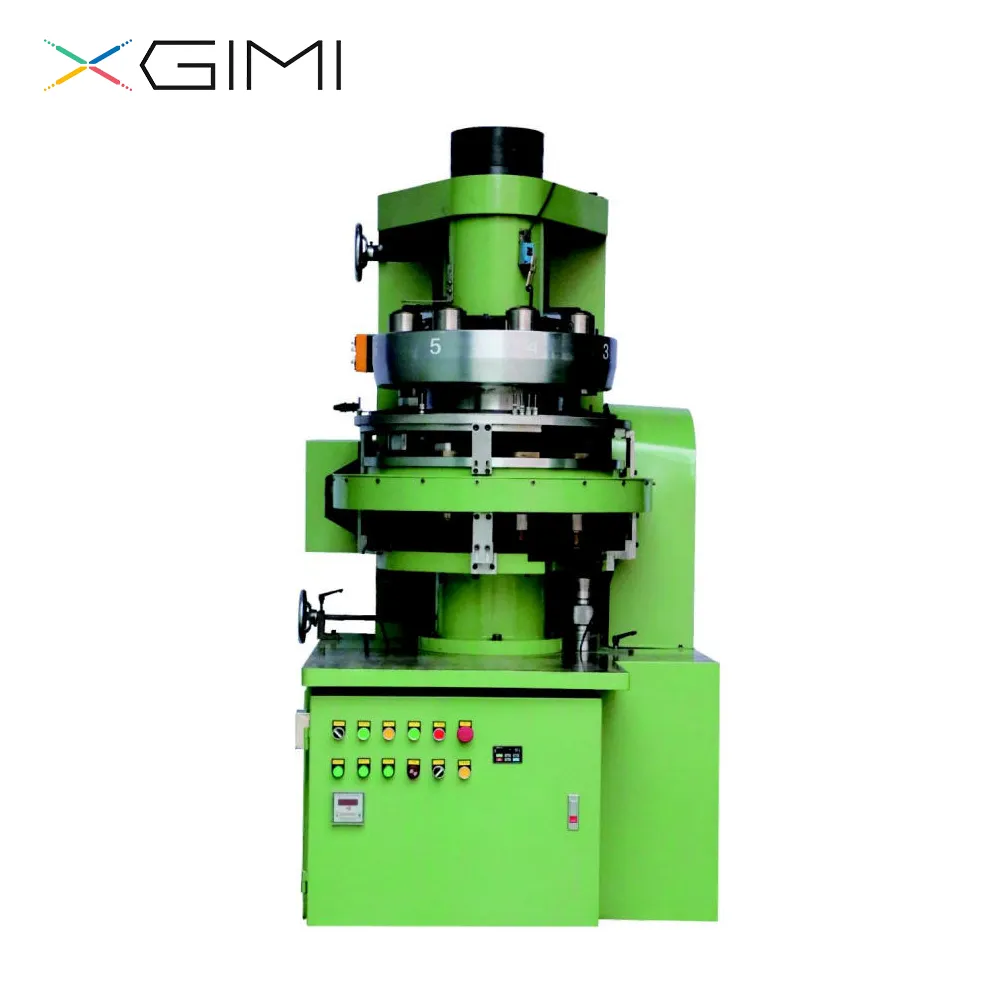
What Are the Key Performance Parameters of an Electric Powder Press?
When evaluating an Electric Powder Press, several parameters define its suitability for high-precision work. Compression force, punch stroke accuracy, pressing speed, and die compatibility are the primary factors that influence consistency. Our factory ensures that each machine is calibrated for stable force distribution across the entire die, reducing variation in tablet density. Jimi Intelligent Equipment Co., Ltd. uses advanced control systems to monitor and adjust compression in real time, providing operators with reliable feedback during production.
Below is a reference table illustrating common technical specifications and their impact on high-precision production:
| Parameter | Typical Range | Impact on Production | Notes |
| Compression Force | 50–500 kN | Determines tablet hardness and density | Higher force improves uniformity but requires strong dies |
| Punch Stroke Accuracy | ±0.01 mm | Affects thickness consistency | Essential for pharmaceutical and precision components |
| Pressing Speed | 30–120 pcs/min | Impacts production output | Must be balanced with accuracy requirements |
| Die Diameter | 5–25 mm | Determines maximum product size | Die selection affects force and fill depth |
How Does Powder Material Influence Machine Selection?
The characteristics of the powder being processed play a crucial role in selecting the right Electric Powder Press. Powders with varying flowability, particle size, or moisture content respond differently under compression. Our engineers evaluate powder properties to ensure consistent filling and compaction. For example, cohesive powders may require slower fill speeds and higher compression precision to achieve uniform density. At our factory, we test material-specific parameters before recommending machine models, ensuring optimal performance for each production line.
Additionally, Jimi Intelligent Equipment Co., Ltd. provides guidance on selecting the appropriate die and punch combination to accommodate specific powder characteristics. Using the correct configuration minimizes wear, reduces maintenance, and maintains high-quality output throughout long production cycles.
What Features Enhance the Precision and Consistency of Electric Powder Press?
High-precision production depends on advanced features that control motion, force, and measurement. Our Electric Powder Press machines are equipped with automated servo motors, closed-loop feedback, and electronic monitoring of compression force. These features reduce variability and enable fine-tuning for different product requirements. Operators using our systems can adjust parameters such as dwell time, fill depth, and compression profile without compromising throughput.
Another consideration is machine rigidity and vibration control. Excessive vibration can cause inconsistent compaction and defects. Our factory incorporates reinforced frames and damping systems to ensure stability during operation, giving manufacturers confidence in reproducible results for their production processes.
How to Evaluate Die and Punch Compatibility with Production Requirements?
Die and punch selection is fundamental when aiming for high-precision output. Incorrect die dimensions or punch misalignment can lead to density variation, cracks, or incomplete compaction. Our team at Jimi Intelligent Equipment Co., Ltd. guides customers in selecting dies that match their desired tablet size, shape, and production speed. In addition, we offer consulting on material compatibility to prevent wear and ensure longevity of both dies and punches.
Below is a table showing typical die and punch specifications and their applications in high-precision production:
| Die Type | Punch Material | Recommended Application | Notes |
| Standard cylindrical | Hardened steel | General high-precision tablets | Balances durability and cost |
| Shaped or embossed | Tungsten carbide | Special shapes or logos | Requires precise alignment and higher maintenance |
| Large-diameter | Hardened steel | Thicker or larger tablets | May require higher compression force |
What Operational Considerations Affect Electric Powder Press Performance?
Consistent high-precision production relies on careful attention to operational factors. Factors such as ambient temperature, lubrication, maintenance schedule, and operator training can significantly influence output. Our factory provides operational manuals and training to ensure that users fully understand the machine’s capabilities and limitations. Proper calibration, routine inspection, and adjustment of fill depth and compression parameters help maintain product uniformity.
Our team regularly advises on preventive maintenance routines to avoid downtime and extend machine lifespan. Operators who follow these guidelines see higher reliability and better overall production results when using Electric Powder Press units supplied by our factory.
Frequently Asked Questions
What compression force is ideal for high-precision tablet production?
The ideal compression force depends on the powder properties and tablet size. Higher force improves density uniformity but requires durable dies. Operators should balance force with production speed to maintain accuracy and prevent equipment strain.
How important is punch stroke accuracy for consistent output?
Punch stroke accuracy directly affects tablet thickness and weight. A deviation of even a few hundredths of a millimeter can result in non-uniform products. Machines with precise electronic control help maintain consistent stroke for every cycle.
Can powder characteristics change machine selection?
Yes. Powders with poor flowability, high moisture content, or fine particle size may require slower filling and specialized dies to prevent defects. Our factory evaluates powder behavior to recommend suitable machine models and die configurations.
Conclusion
Choosing the right Electric Powder Press for high-precision production involves careful consideration of compression force, punch stroke accuracy, die and punch compatibility, and operational conditions. Our factory ensures that each machine is configured for the specific powder, production speed, and precision requirements of our customers. Jimi Intelligent Equipment Co., Ltd. provides technical guidance, machine customization, and ongoing support to guarantee consistent, high-quality output. If you are planning a precision manufacturing upgrade or need advice on selecting the best Electric Powder Press for your production line, contact our technical team today to discuss solutions tailored to your needs.
