

How To Choose The Right Machining Tools For Cast Iron Processing
2026-01-16
Selecting the optimal machining tools is fundamental to achieving efficiency, precision, and cost-effectiveness in Cast Iron Processing. The unique properties of cast iron, such as its abrasiveness and tendency to produce short chips, demand a strategic approach. As a leader in providing robust solutions, Fuchengxin understands that the right tooling choice directly impacts productivity and component quality. This guide outlines key considerations for making an informed decision.
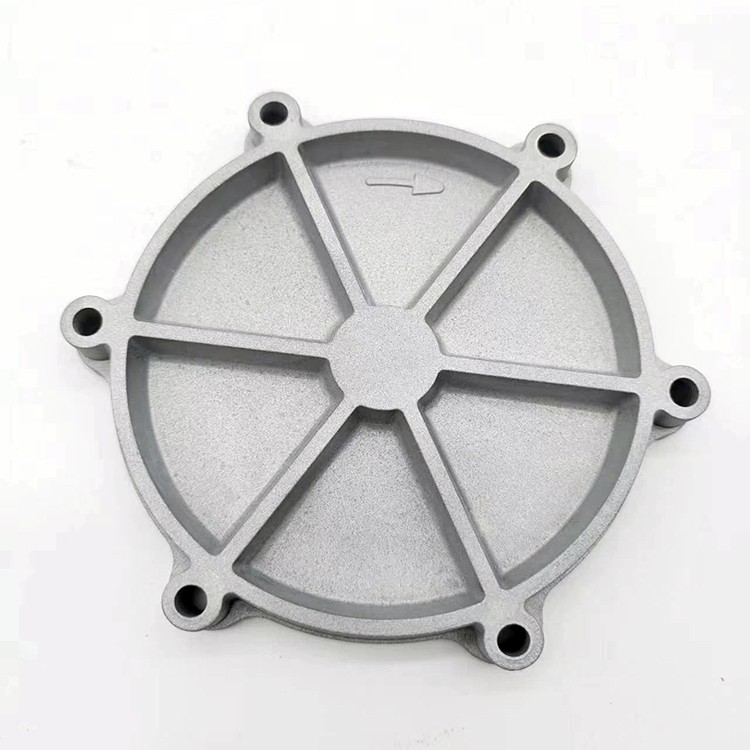
The core principle lies in matching the tool’s characteristics to the specific type of cast iron (e.g., gray, ductile, or malleable) and the machining operation. Here are the critical factors to evaluate:
-
Tool Material and Coating: Carbide substrates with high wear resistance are essential. Look for tools with specialized coatings like PVD (Physical Vapor Deposition) to reduce friction and combat abrasion.
-
Tool Geometry: A positive rake angle is often preferred for lower cutting forces, while a strong, honed cutting edge helps prevent micro-chipping.
-
Machine Power and Stability: Cast Iron Processing requires rigid machine tools to handle the cutting forces without vibration, which can lead to poor surface finish and premature tool failure.
To simplify the selection for common operations, consider the following guidelines:
| Machining Operation | Recommended Tool Type | Key Feature for Cast Iron |
|---|---|---|
| Facing & Roughing | Carbide Insert Mill | High-feed geometry for efficient material removal |
| Finishing & Detail | Fine-grained Carbide End Mill | Sharp edge and polished flute for superior finish |
| Drilling | Solid Carbide Drill | Through-coolant design and point geometry for chip evacuation |
| Turning | CBN (Cubic Boron Nitride) Insert | Exceptional hardness and thermal stability for high-speed finishing |
FAQ: Cast Iron Processing Tooling
What is the biggest mistake when choosing tools for Cast Iron Processing?
The most common error is using tools designed for steel. Cast iron’s abrasiveness rapidly wears out tools without the correct carbide grade and coating, leading to increased costs and downtime.
How important is chip control in machining cast iron?
While cast iron forms short chips, efficient evacuation remains critical. Tools with optimized flute designs or through-tool coolant channels prevent chip re-cutting, which can damage the workpiece and the tool, ensuring smoother Cast Iron Processing.
Can we use the same tools for gray and ductile cast iron?
Not optimally. Ductile iron is tougher and more abrasive. Tools for ductile iron often require a sharper, more wear-resistant edge and sometimes a different coating compared to those used for gray iron to maintain performance.
Success in Cast Iron Processing hinges on a partnership with a knowledgeable supplier. Fuchengxin provides not just premium tools, but also the application expertise to match them perfectly to your project’s demands. Our engineered solutions are designed to maximize your machining output and reduce total operational costs.
Ready to optimize your machining line? Contact us today for a personalized tooling recommendation and experience the Fuchengxin difference in quality and support.
