

How to Maintain a Block Making Machine for Long-Term Performance?
2026-03-17
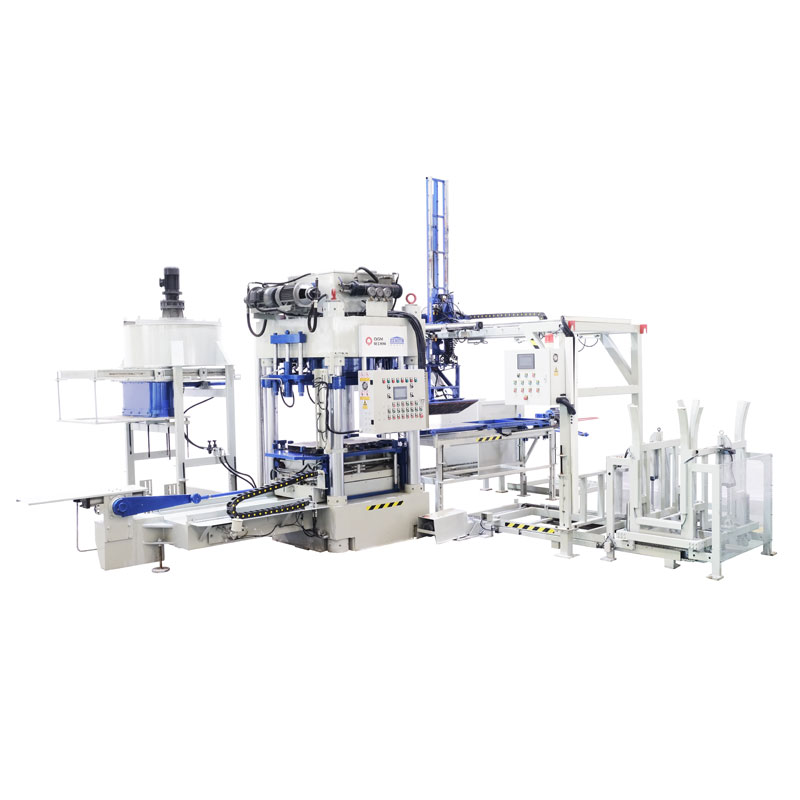
In modern concrete block manufacturing plants, equipment reliability directly affects output quality, production stability, and operational costs. A well-maintained QGM Block Making Machine can operate consistently for years while maintaining high compaction strength and dimensional accuracy. Many manufacturers across North America and Europe emphasize preventive maintenance as a core part of plant management because downtime during production cycles can lead to missed delivery schedules and unnecessary labor costs.
Routine inspection and scheduled servicing help reduce wear on key mechanical and hydraulic components. Operators in the masonry equipment industry often refer to this practice as preventive maintenance planning, which focuses on detecting potential failures before they interrupt production. In our factory, maintenance guidelines are developed based on real manufacturing conditions and long-term equipment testing.
As a global manufacturer with decades of experience, Quangong Machinery Co., Ltd. continuously refines service standards to ensure machines operate efficiently in demanding environments such as precast plants, construction material factories, and infrastructure projects. With proper maintenance, block equipment can deliver stable vibration, precise molding pressure, and consistent cycle times.
What Daily Inspection Steps Help Extend Machine Service Life?
Daily inspections are the first line of defense in keeping a QGM Block Making Machine operating smoothly. Experienced plant technicians usually begin each production shift with a structured inspection routine that focuses on lubrication points, hydraulic pressure levels, electrical connections, and mold alignment.
Lubrication is especially critical in heavy-duty block equipment. Bearings, vibration systems, and guide rails require consistent lubrication to minimize friction and prevent premature wear. Our service engineers recommend checking lubrication levels before every production cycle. In our factory, we also advise plant managers to maintain a maintenance logbook that records daily inspection results.
Hydraulic systems should be carefully monitored because pressure instability can reduce block density and cause uneven compaction. Operators should ensure that hydraulic oil levels remain within recommended ranges and that hoses are free from leakage. Our production teams have observed that proper hydraulic maintenance significantly improves equipment lifespan.
Electrical components should also be inspected to confirm that sensors, PLC systems, and control panels remain stable during operation. Many advanced block plants now use automated monitoring systems, but manual inspections remain an important practice to ensure equipment safety.
How Should Key Components Be Serviced in a Block Production Line?
A comprehensive maintenance strategy must include regular servicing of major machine assemblies. These components determine the long-term performance of a QGM Block Making Machine and directly affect block quality and production efficiency.
The vibration system is one of the most critical components. High-frequency vibration ensures that concrete materials are compacted uniformly inside the mold box. Over time, vibration motors and mounting structures may loosen due to continuous operation. Plant engineers should regularly check vibration amplitude and tighten mounting bolts to maintain consistent performance.
Mold systems are another key element of block production. Molds are exposed to abrasive aggregates and cement mixtures, which can gradually wear down internal surfaces. Routine mold cleaning and periodic refurbishment help maintain accurate block dimensions. Our technical teams recommend replacing molds when wear reaches specified tolerance levels.
Hydraulic power units require scheduled oil replacement and filter cleaning. Contaminated hydraulic oil can cause pressure fluctuations that impact block density. To maintain stable operation, maintenance technicians should follow the oil replacement intervals recommended by equipment suppliers.
Which Technical Specifications Influence Maintenance Planning?
Understanding the technical specifications of block equipment helps plant managers create an effective maintenance schedule. Modern machines are designed with advanced vibration systems, PLC control technology, and high-strength steel structures that support continuous production cycles.
| Machine Model | Main Vibration Force | Production Capacity | Power Consumption | Control System |
| QGM QT10 | 90 kN | 10,000 to 12,000 blocks per shift | 42 kW | Siemens PLC |
| QGM QT12 | 110 kN | 12,000 to 15,000 blocks per shift | 48 kW | Automated PLC System |
| QGM Zenith Series | Up to 120 kN | High capacity industrial production | 50 kW | Advanced digital control |
These parameters influence maintenance frequency and inspection priorities. Machines operating under high vibration forces require more frequent inspection of structural components and vibration motors. Our factory engineering teams typically analyze production load and environmental conditions before recommending maintenance schedules.
Another important consideration is the structural durability of the machine frame. High-quality steel construction ensures the equipment remains stable even under continuous operation. The advanced design philosophy used by Zenith focuses on improving structural rigidity and vibration efficiency while reducing mechanical stress.
What Maintenance Schedule Works Best for Industrial Block Plants?
A structured maintenance schedule ensures that block production equipment operates efficiently throughout its lifecycle. Most industrial plants divide maintenance tasks into daily, weekly, and monthly procedures.
| Maintenance Interval | Recommended Tasks | Purpose |
| Daily | Check lubrication points, inspect hydraulic oil levels, clean molds | Prevent friction damage and maintain product quality |
| Weekly | Inspect vibration motors, tighten bolts, examine electrical connections | Ensure operational stability |
| Monthly | Replace filters, inspect hydraulic pumps, verify PLC parameters | Maintain long-term system performance |
| Quarterly | Full structural inspection and calibration | Extend equipment lifespan |
Following these procedures helps operators maintain consistent production efficiency. Our service teams regularly provide training sessions to help plant technicians implement effective maintenance strategies. In many manufacturing facilities, these structured routines significantly reduce unexpected equipment failures.
As an experienced manufacturer in the concrete block equipment industry, Zenith supports customers with technical documentation and maintenance training programs designed to maximize equipment reliability.
Frequently Asked Questions
Question: How often should a block making machine be serviced for optimal performance?
Answer: In most industrial block plants, daily inspections should be conducted before production begins, while more detailed servicing should occur weekly and monthly. Daily inspections typically include lubrication checks, mold cleaning, and hydraulic pressure monitoring. Weekly servicing focuses on vibration motor stability and structural bolts, while monthly maintenance involves hydraulic filter replacement and control system diagnostics. A consistent schedule ensures equipment continues to operate at full capacity while minimizing unexpected downtime.
Question: What are the most common causes of performance decline in block making equipment?
Answer: Performance decline is usually related to insufficient lubrication, hydraulic oil contamination, worn molds, or unstable vibration systems. When these issues are ignored, block density may decrease and cycle times may become inconsistent. Preventive maintenance helps identify these issues early. Regular inspection of vibration motors, hydraulic pumps, and mold surfaces can significantly reduce the risk of production interruptions.
Question: Can proper maintenance improve the lifespan of a block production machine?
Answer: Yes. Proper maintenance can extend the operational lifespan of block equipment by several years. Machines that receive routine servicing maintain stable vibration force, accurate mold alignment, and consistent hydraulic pressure. These factors reduce mechanical stress on key components and prevent structural fatigue. Many industrial plants report significantly lower operating costs when preventive maintenance programs are implemented.
Conclusion
Maintaining a QGM Block Making Machine requires a combination of preventive inspection, scheduled servicing, and proper operator training. By monitoring lubrication systems, hydraulic performance, vibration stability, and mold conditions, manufacturers can ensure stable production output and consistent block quality. A well-maintained QGM Block Making Machine not only reduces operational costs but also improves production efficiency across the entire block manufacturing line.
Our factory continuously works with global construction material producers to improve equipment reliability and production efficiency. If you are planning to upgrade your block production line or need technical guidance for equipment maintenance, our engineering team is ready to help. Contact us today to learn more about reliable block manufacturing solutions from Quangong Machinery Co., Ltd..
