

How to Select the Best Auxiliary Machinery for High-Volume Operations?
2026-02-26
In high-throughput manufacturing environments such as concrete block plants, precast facilities, and automated material handling workshops, auxiliary machinery is not just a supporting element. It directly impacts cycle time, uptime ratio, energy consumption, and overall equipment effectiveness. When production targets exceed thousands of units per shift, even minor inefficiencies can translate into measurable losses.
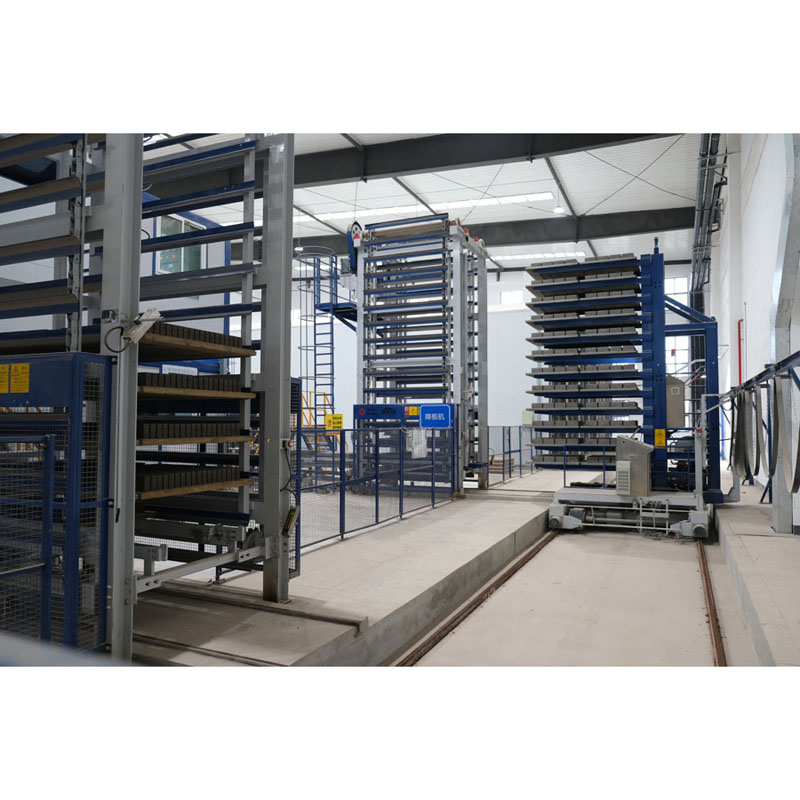
High-volume operations typically rely on synchronized systems including batching units, conveyors, automatic cubers, curing systems, pallet circulation systems, and dust collection equipment. Our engineering team has observed that improper matching between the main production line and auxiliary systems often results in bottlenecks. For example, an underpowered conveyor motor can reduce the rated capacity of a fully automated block machine by 10 to 15 percent.
At Quangong Machinery Co., Ltd., our factory designs auxiliary systems to match real plant layouts rather than theoretical specifications. We focus on load stability, torque consistency, and modular scalability so our clients can expand production without replacing core infrastructure. Selecting the right auxiliary machinery means evaluating operational tempo, shift intensity, raw material characteristics, and plant footprint.
When discussing How to Select the Best Auxiliary Machinery for High-Volume Operations?, the first principle is alignment between production throughput and auxiliary response speed. A high-output block line rated at 12000 blocks per hour must be supported by equally robust mixing, conveying, and stacking systems. Otherwise, the entire line runs below its potential.
What Technical Specifications Should Be Prioritized for Continuous Heavy-Duty Performance?
Buyers in North America and Europe often evaluate auxiliary machinery based on horsepower rating, duty cycle classification, electrical standards such as 480V 60Hz or 400V 50Hz, and compliance with OSHA or CE safety requirements. However, beyond regulatory compliance, real-world performance depends on torque reserve, wear resistance, and automation compatibility.
Our factory integrates frequency converters and PLC-based control systems to maintain synchronized speed across all units. This ensures stable material flow and minimizes shock loads. Below is a reference specification overview of typical auxiliary systems used in high-volume block production lines.
| Equipment Type | Capacity Range | Motor Power | Control System | Application Scenario |
| Concrete Mixer | 750 to 2000 liters per batch | 30 to 75 kW | PLC with inverter | High-density concrete mixing |
| Material Conveyor | 60 to 120 tons per hour | 7.5 to 22 kW | Variable frequency drive | Continuous aggregate transport |
| Automatic Cuber | 8 to 12 pallets per minute | 15 to 30 kW | Servo positioning system | High-speed pallet stacking |
| Dust Collection Unit | 15000 to 30000 m3 per hour | 11 to 37 kW | Automatic pulse cleaning | Plant air quality control |
When evaluating How to Select the Best Auxiliary Machinery for High-Volume Operations?, decision makers should also consider mean time between failures and spare parts availability. Our after-sales service teams emphasize preventive maintenance scheduling to extend equipment life. High-grade alloy steel shafts, reinforced bearings, and heavy-duty chain drives contribute to consistent long-term operation.
Quangong Machinery Co., Ltd. integrates smart diagnostics into our control cabinets, allowing plant managers to monitor temperature, vibration, and current load in real time. This approach reduces unexpected downtime and protects capital investment.
How Can Plant Layout and Workflow Optimization Influence Equipment Selection?
Plant layout planning is often underestimated during procurement. In high-volume facilities, material flow must remain linear and unobstructed. Poor layout design increases forklift traffic, safety risks, and energy consumption. Our factory provides layout simulations before finalizing equipment configuration to ensure seamless integration.
Key considerations include:
- Production line orientation relative to raw material storage
- Pallet return circulation distance
- Clearance for maintenance access
- Electrical distribution panel positioning
For example, when integrating a fully automated curing chamber system, temperature uniformity and humidity control must align with regional climate conditions. In colder regions, additional insulation and heating elements may be required. In tropical markets, ventilation and corrosion resistance become more critical.
The following table outlines layout-related performance indicators commonly reviewed during project planning.
| Layout Factor | Operational Impact | Optimization Strategy |
| Conveyor Length | Energy usage and wear rate | Minimize transfer points |
| Pallet Circulation Loop | Cycle time stability | Closed-loop automation |
| Storage Proximity | Material handling efficiency | Centralized aggregate feeding |
| Maintenance Access | Downtime duration | Reserved service corridors |
When clients ask about How to Select the Best Auxiliary Machinery for High-Volume Operations?, we always review workflow simulation first. Our engineers collaborate closely with plant managers to ensure every auxiliary unit complements the main production line. Zenith has delivered integrated systems across multiple continents, adapting our configurations to different regulatory and climatic environments.
Why Is Automation Compatibility Essential for Future Expansion?
High-volume operations rarely remain static. As demand increases, plants require capacity upgrades. Selecting auxiliary machinery with scalable architecture ensures long-term flexibility. Open communication protocols, modular conveyor extensions, and programmable logic controllers are essential for expansion.
Our factory designs automation systems with remote access capability, allowing technicians to conduct diagnostics and software updates efficiently. This reduces travel costs and shortens response time. Integration with ERP systems also enables production data tracking and inventory management.
Energy efficiency is another critical factor. Variable speed drives and intelligent load balancing reduce peak electricity demand. Over time, these features significantly lower operating expenses. Quangong Machinery Co., Ltd. incorporates energy-saving configurations in our auxiliary solutions to meet increasingly strict environmental regulations.
For companies exploring How to Select the Best Auxiliary Machinery for High-Volume Operations?, automation readiness is not optional. It directly influences competitiveness in markets where production lead time and quality consistency define supplier reputation.
What Risk Management Factors Should Be Considered Before Final Procurement?
Before finalizing a purchase decision, risk assessment should cover supplier reliability, spare parts inventory, warranty terms, and installation support. High-volume facilities cannot afford extended commissioning delays. Our factory maintains standardized manufacturing processes and quality inspection checkpoints to ensure stable delivery timelines.
Another key factor is local technical support. Access to trained service engineers and readily available components minimizes operational disruption. Quangong Machinery Co., Ltd. provides comprehensive training programs so operators understand equipment parameters, safety procedures, and maintenance routines.
In evaluating How to Select the Best Auxiliary Machinery for High-Volume Operations?, procurement teams should compare total cost of ownership rather than initial purchase price. Energy consumption, maintenance intervals, and system lifespan all influence long-term profitability. Our project managers assist clients in calculating these variables to support data-driven decisions.
Frequently Asked Questions
Q1: What is the most critical factor when selecting auxiliary machinery for high-volume production?
The most critical factor is compatibility between auxiliary capacity and the main production line throughput. If conveyors, mixers, or stacking systems cannot match rated output, bottlenecks occur. Evaluating horsepower, control synchronization, and duty cycle rating ensures stable continuous performance.
Q2: How can automation improve operational reliability in large-scale plants?
Automation enhances reliability by stabilizing speed control, reducing manual error, and enabling predictive maintenance. Integrated PLC systems monitor load conditions and provide early warnings. This proactive approach lowers downtime and protects equipment lifespan.
Q3: Why should buyers focus on total cost of ownership instead of purchase price alone?
Total cost of ownership includes energy consumption, spare parts replacement, maintenance labor, and system longevity. A lower initial price may lead to higher long-term expenses. Investing in durable components and efficient motors results in greater profitability over the equipment lifecycle.
In conclusion, selecting auxiliary machinery for high-volume operations requires a strategic balance of technical performance, workflow optimization, automation compatibility, and risk management. Companies that carefully evaluate these parameters position themselves for sustained productivity and cost efficiency. If you are planning to upgrade or expand your production facility, contact our team at Quangong Machinery Co., Ltd. to receive a customized technical proposal and detailed capacity analysis tailored to your operational goals.
