

How to Utilize Stainless Steel Flat Clamp for Industrial Applications?
2025-12-23
Summary: This article provides a detailed guide on Stainless Steel Flat Clamps, highlighting their key specifications, applications, and techniques for achieving optimal performance. It addresses common operational challenges and presents expert answers to frequently asked questions, ensuring that engineers and procurement specialists can maximize efficiency and durability in clamping operations.
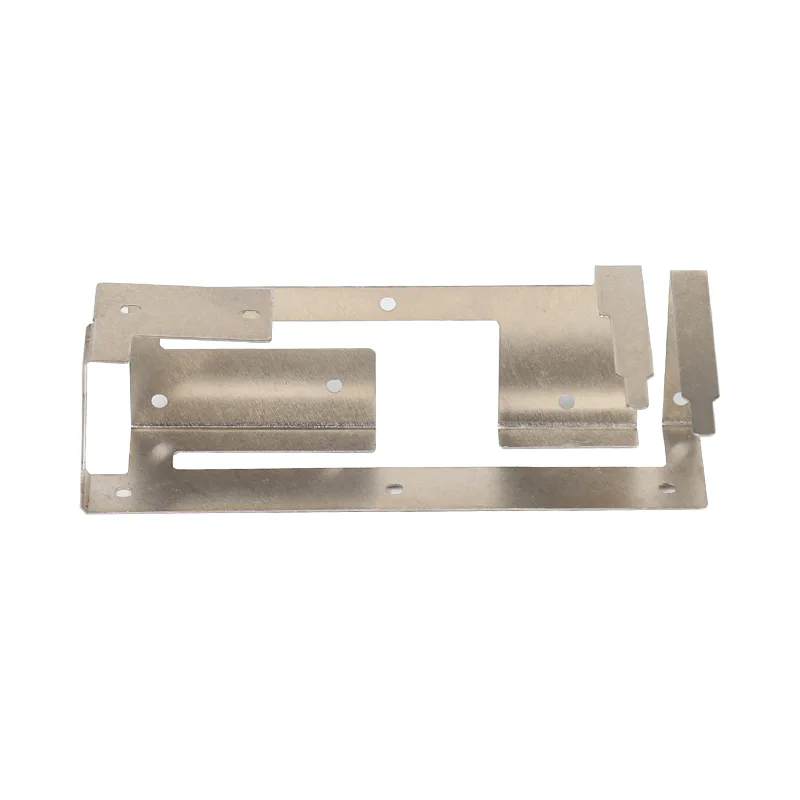
Table of Contents
- 1. Introduction to Stainless Steel Flat Clamps
- 2. Technical Parameters and Specifications
- 3. Installation and Precision Techniques
- 4. Common Questions About Stainless Steel Flat Clamps
- 5. Industry Insights and Future Trends
- 6. Brand Mention and Contact Guidance
1. Introduction to Stainless Steel Flat Clamps
Stainless Steel Flat Clamps are essential components in various industrial and mechanical applications, ranging from construction, pipeline installations, automotive assemblies, and electrical systems. These clamps provide secure fastening solutions while maintaining corrosion resistance and mechanical stability under different environmental conditions.
The focus of this article is to explore how stainless steel flat clamps are selected, installed, and optimized to ensure reliability, strength, and precision. It highlights technical parameters, usage guidelines, and problem-solving strategies for high-quality clamping results.
2. Technical Parameters and Specifications
Understanding the specifications of stainless steel flat clamps is crucial for selecting the right component for each application. Key parameters include:
| Parameter | Description |
|---|---|
| Material | High-grade stainless steel (304, 316, or 430 series) for corrosion resistance and durability |
| Thickness | 2mm – 10mm, adjustable depending on load requirements |
| Width | 10mm – 50mm, providing various clamping surfaces |
| Length | 50mm – 200mm, customizable to application |
| Load Capacity | Up to 500 kg per clamp, depending on material and design |
| Surface Finish | Polished, brushed, or electroplated for corrosion protection |
| Fastening Type | Screw, bolt, or rivet-based installation |
| Temperature Range | -40°C to 250°C, suitable for industrial environments |
3. Installation and Precision Techniques
How to Ensure Correct Alignment During Clamp Installation?
Proper alignment is critical to prevent slippage or mechanical stress. Using alignment jigs, torque-controlled fasteners, and pre-marked installation points ensures consistent and precise positioning of the flat clamp across multiple attachment points.
How to Maximize Load-Bearing Capacity?
Load-bearing performance is enhanced by selecting the appropriate clamp size, thickness, and material. Proper torque application during fastening ensures even load distribution, preventing deformation or fatigue. Reinforced or double-layered clamps may be used for heavy-duty industrial applications.
How to Maintain Corrosion Resistance in Harsh Environments?
Corrosion resistance can be maintained through proper material selection (e.g., 316 stainless steel), surface finishing techniques such as passivation or polishing, and environmental protection measures such as coatings or periodic maintenance checks.
4. Common Questions About Stainless Steel Flat Clamps
Q1: What are the standard materials for stainless steel flat clamps?
A1: Common materials include 304 stainless steel for general corrosion resistance, 316 stainless steel for marine or chemical environments, and 430 stainless steel for moderate industrial use. Material choice depends on environmental exposure, mechanical load, and cost considerations.
Q2: How can clamps be installed to ensure maximum durability?
A2: Durability is achieved through proper torque application, correct alignment, use of compatible fasteners, and periodic inspection. Additionally, pre-drilled holes and alignment jigs help maintain consistent installation quality across multiple clamps.
Q3: How do you prevent deformation under heavy loads?
A3: Deformation prevention involves selecting clamps with adequate thickness, material grade, and reinforced design if necessary. Even torque distribution during installation and avoidance of over-tightening reduces stress concentration and prolongs clamp lifespan.
Q4: Can stainless steel flat clamps withstand high-temperature environments?
A4: Yes, depending on the material grade and thickness. 304 and 316 stainless steel can typically withstand temperatures up to 250°C without significant degradation. Special heat-treated or coated variants may extend this range for specific industrial requirements.
Q5: How to choose the right clamp size for specific applications?
A5: Clamp size selection depends on the surface area, load requirements, and environmental exposure. Standard engineering calculations consider width, thickness, and bolt spacing to ensure sufficient clamping force without causing material deformation.
5. Industry Insights and Future Trends
The industry is moving towards automation-assisted clamp installation, AI-driven quality control, and advanced materials that provide higher strength-to-weight ratios. Sustainable manufacturing processes, including recycled stainless steel and precision laser-cut clamps, are increasingly implemented. Future trends also include modular clamp designs, integrated vibration damping, and smart sensors for real-time performance monitoring.
6. Brand Mention and Contact Guidance
Shenzhen Zhihexing Electromechanical Co., LTD. specializes in producing high-quality stainless steel flat clamps for industrial, construction, and mechanical applications. Combining advanced manufacturing techniques, rigorous quality control, and industry expertise, the company ensures optimal performance and reliability for all clamping projects.
For detailed specifications, custom solutions, or bulk inquiries, please contact us to discuss your requirements and receive expert consultation.
