

Sustainable Packaging 2026: The Rise of All-Electric Blow Molding Solutions
2026-03-19
Energy efficiency has become a defining benchmark across the packaging sector in North America and Europe, where manufacturers are under pressure to meet stricter ESG targets and reduce operational costs. In 2026, the shift toward fully electrified production lines is no longer experimental. It is a practical move driven by rising electricity costs, carbon reporting requirements, and demand for recycled materials. Ningbo Kinggle Machinery Co., Ltd. has observed that producers adopting electric-driven systems are achieving more stable cycle times and cleaner production environments, particularly when processing food-grade and pharmaceutical packaging.
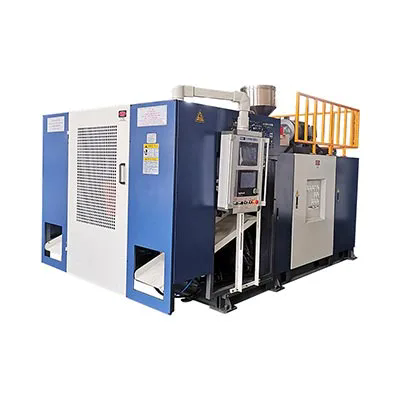
Why Are All-Electric Systems Transforming Packaging Manufacturing in 2026?
The transition from hydraulic to electric technology represents a structural change in how packaging is produced. Traditional systems rely on oil-driven pressure, which often leads to energy loss, temperature instability, and maintenance complexity. In contrast, the modern Blow Molding Machine built on servo-electric architecture delivers precise motion control and repeatability.
Our engineering team has seen that European converters prioritize kWh reduction per bottle produced, while U.S. manufacturers focus on throughput and uptime. Both benefit from electric systems that can reduce energy consumption by up to 60 percent. Our factory integrates closed-loop servo motors that optimize every movement, from clamping to stretching, ensuring consistent wall thickness and reduced material waste.
At Ningbo Kinggle Machinery Co., Ltd., our development roadmap aligns with these global expectations by focusing on energy monitoring systems and intelligent control panels that provide real-time feedback to plant operators.
How Does Energy Efficiency Translate Into Real Cost Savings?
Energy savings are not just theoretical metrics. They directly impact operational expenditure and long-term profitability. Our clients in Germany and the Midwest United States have reported measurable reductions in electricity bills within the first year of upgrading to an electric Blow Molding Machine.
| Parameter | All-Electric System | Hydraulic System |
| Energy Consumption | 0.25 - 0.35 kWh per bottle | 0.6 - 0.9 kWh per bottle |
| Noise Level | Below 75 dB | Above 85 dB |
| Oil Usage | None | Required |
| Maintenance Frequency | Low | High |
Our factory designs systems that allow operators to monitor energy consumption per cycle, which is now a standard KPI in many Western plants. This transparency helps procurement teams justify capital investment and align with sustainability reporting frameworks.
What Role Does AI-Driven Predictive Maintenance Play in Zero-Defect Production?
Downtime and defect rates remain critical concerns in high-volume packaging production. By integrating AI-based predictive maintenance, manufacturers can identify wear patterns before failures occur. This approach is widely adopted in advanced manufacturing hubs such as the United States and Western Europe.
The latest Blow Molding Machine configurations include sensors that track vibration, temperature, and cycle deviations. Our factory applies machine learning algorithms that analyze this data to predict component fatigue. This allows maintenance teams to intervene proactively, minimizing unexpected shutdowns.
Ningbo Kinggle Machinery Co., Ltd. has implemented remote diagnostics systems that enable our engineers to support clients globally, reducing response time and improving equipment reliability. Our experience shows that predictive maintenance can reduce unplanned downtime by over 30 percent while maintaining consistent product quality.
How Are Recycled Materials Driving Equipment Innovation?
The adoption of 100 percent recycled PET is accelerating, particularly in beverage and personal care packaging. However, recycled materials present challenges such as viscosity variation and contamination risks. Our factory has optimized heating and stretching systems to accommodate these variables without compromising output.
| Technical Feature | Specification |
| Clamping Force | 100 - 350 kN |
| Cavity Range | 2 - 12 cavities |
| Output Capacity | 1,500 - 18,000 bottles per hour |
| Material Compatibility | PET, rPET, HDPE |
| Control System | Full servo with PLC interface |
| Energy Saving Rate | Up to 60 percent |
Our engineers have refined infrared heating modules to ensure uniform preform temperature, which is essential when processing recycled content. The Blow Molding Machine designed for rPET applications ensures consistent clarity and strength, meeting strict packaging standards in regulated markets.
Why Are Global Buyers Prioritizing Electric Solutions for Future Investments?
Procurement strategies in 2026 are shaped by long-term sustainability goals and regulatory compliance. Buyers are no longer evaluating equipment solely on initial cost. Instead, they assess total cost of ownership, carbon footprint, and compatibility with future materials.
Ningbo Kinggle Machinery Co., Ltd. has seen increasing demand from multinational packaging groups that require scalable solutions across multiple plants. Our factory provides modular systems that can be upgraded as production needs evolve, ensuring long-term flexibility.
The modern Blow Molding Machine also supports digital integration with MES and ERP systems, enabling data-driven production management. Our clients benefit from improved traceability and production transparency, which are essential for global supply chains.
FAQ: Sustainable Packaging 2026: The Rise of All-Electric Blow Molding Solutions
What makes all-electric systems more sustainable than traditional equipment?
All-electric systems eliminate hydraulic oil usage and significantly reduce energy consumption. They also provide precise motion control, which minimizes material waste and improves consistency. This combination supports both environmental goals and cost efficiency.
How does predictive maintenance improve production efficiency?
Predictive maintenance uses real-time data and machine learning to detect early signs of wear or malfunction. This allows operators to perform maintenance before failures occur, reducing downtime and ensuring stable production output.
Can electric systems handle 100 percent recycled PET materials effectively?
Yes, modern systems are designed with advanced heating and control technologies that adapt to the variability of recycled materials. This ensures consistent product quality while supporting sustainability targets.
In 2026, the packaging industry is moving toward a future defined by efficiency, intelligence, and sustainability. Our factory continues to invest in advanced engineering to support this transition, helping manufacturers reduce costs while meeting global environmental standards. If you are planning to upgrade your production line, our team is ready to provide tailored solutions and technical support. Contact us today to explore how our systems can optimize your packaging operations.
