

TDR Cable Fault Locator: How Does It Work and Why Is It Essential for Accurate Cable Diagnostics
2026-04-02
Summary: TDR Cable Fault Locators are critical tools for efficiently detecting and diagnosing faults in cables. In this blog post, we will explore how these devices work, their key features, benefits, and how they contribute to accurate cable diagnostics. Whether you are an industry professional or just curious about cable maintenance, understanding the role of TDR Cable Fault Locators can help ensure the reliability of your systems. We’ll also provide insights into the different models available and answer common questions surrounding these tools.
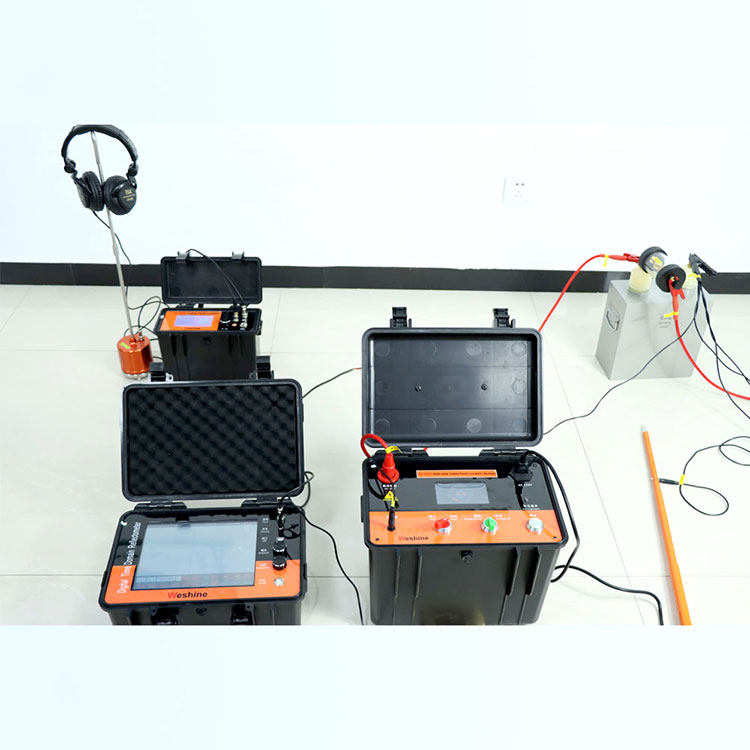
Table of Contents
- What is a TDR Cable Fault Locator?
- How Does TDR Cable Fault Locator Work?
- Key Features and Benefits of TDR Cable Fault Locators
- How TDR Technology Enhances Cable Diagnostics
- Common Applications for TDR Cable Fault Locators
- How to Choose the Right TDR Cable Fault Locator
- Frequently Asked Questions
What is a TDR Cable Fault Locator?
A TDR (Time Domain Reflectometer) Cable Fault Locator is a device designed to locate faults or breaks in cables by sending a signal through the cable and measuring the time it takes for the reflection of the signal to return. It provides a precise reading of the distance to the fault, allowing for quick troubleshooting and repair. These devices are used extensively in industries like telecommunications, power distribution, and any sector that relies on complex wiring systems.
How Does TDR Cable Fault Locator Work?
The TDR Cable Fault Locator works by emitting a high-frequency pulse along the cable. When this pulse encounters a fault, such as a break or short circuit, the pulse is reflected back to the device. The time taken for the pulse to return to the locator is used to calculate the distance to the fault. This method is highly accurate and is essential for pinpointing problems in complex cable systems. Key points about how TDR works include:
- Signal Reflection: The signal reflects off faults, allowing accurate fault detection.
- Time Measurement: The device calculates the distance to the fault based on the time taken for the signal to return.
- Precision: Modern TDR devices offer precise readings to save time and effort in cable repairs.
Key Features and Benefits of TDR Cable Fault Locators
TDR Cable Fault Locators come with a range of features that improve their functionality and ease of use. Below are some of the most notable features and their benefits:
| Feature | Benefit |
|---|---|
| High Precision | Accurate fault detection ensures minimal downtime and efficient repairs. |
| Easy to Use Interface | User-friendly interface simplifies operation, even for non-experts. |
| Compact and Portable | Portable designs make these devices easy to carry and use in field operations. |
| Real-time Diagnostics | Instant results allow technicians to identify issues on-site and take corrective action immediately. |
How TDR Technology Enhances Cable Diagnostics
The introduction of TDR technology has revolutionized cable diagnostics by offering a non-invasive, efficient method for fault detection. Unlike traditional methods, TDR provides real-time information, which helps technicians locate faults without the need for extensive cable disassembly or lengthy tests. This technology enhances diagnostics in several ways:
- Faster Troubleshooting: TDR Cable Fault Locators pinpoint the exact location of faults, reducing troubleshooting time.
- Cost-Effective: By identifying the problem location accurately, repairs can be focused on the damaged areas, minimizing unnecessary expenses.
- Improved Reliability: With accurate diagnostics, TDR helps prevent further damage to cables and systems, ensuring long-term reliability.
Common Applications for TDR Cable Fault Locators
TDR Cable Fault Locators are used across various industries where cable infrastructure is critical. Common applications include:
- Telecommunications: For identifying faults in underground and aerial cables.
- Power Distribution: To detect issues in electrical cable networks.
- Railways and Aviation: To monitor the integrity of communication and signaling systems.
- Data Centers: To ensure the integrity of network cables and minimize service interruptions.
How to Choose the Right TDR Cable Fault Locator
When selecting a TDR Cable Fault Locator, consider the following factors to ensure the device meets your specific needs:
- Range: Choose a device that suits the length of cables you work with.
- Accuracy: Ensure the device offers precise fault location measurements.
- Portability: If you are working in the field, consider a compact and portable model.
- Ease of Use: Look for devices with an intuitive interface for faster setup and operation.
Frequently Asked Questions
1. How accurate are TDR Cable Fault Locators?
TDR Cable Fault Locators are highly accurate, providing precise measurements down to a few centimeters, depending on the model and cable type.
2. Can TDR Cable Fault Locators detect faults in all types of cables?
Yes, TDR Cable Fault Locators are designed to work with a wide range of cables, including power, telecommunications, and data cables.
3. Are TDR Cable Fault Locators easy to use?
Yes, most TDR devices come with user-friendly interfaces that make them easy to operate, even for technicians with limited experience.
4. Can a TDR Cable Fault Locator help reduce downtime?
Absolutely! By accurately locating the fault, TDR devices minimize downtime and enable quicker repairs, helping systems stay operational.
If you're interested in learning more about TDR Cable Fault Locators or need assistance selecting the best device for your needs, feel free to contact us at Weshine Electric. Our expert team is ready to help you find the right solution for your cable diagnostics needs.
