

What Are the Common Communication Protocols For GE PLCs?
2025-12-24
GE PLCs serve as the core controllers in many industrial automation systems, where reliable communication is essential for stability and efficiency. In our factory, we often encounter customers looking to integrate GE PLCs into complex production lines, requiring seamless data exchange with sensors, HMIs, and other controllers. Our team focuses on providing solutions that optimize connectivity while maintaining data integrity. Quanzhou Xinyuan Technology Co., Ltd. designs and supplies GE PLC systems with proven compatibility across multiple communication protocols.
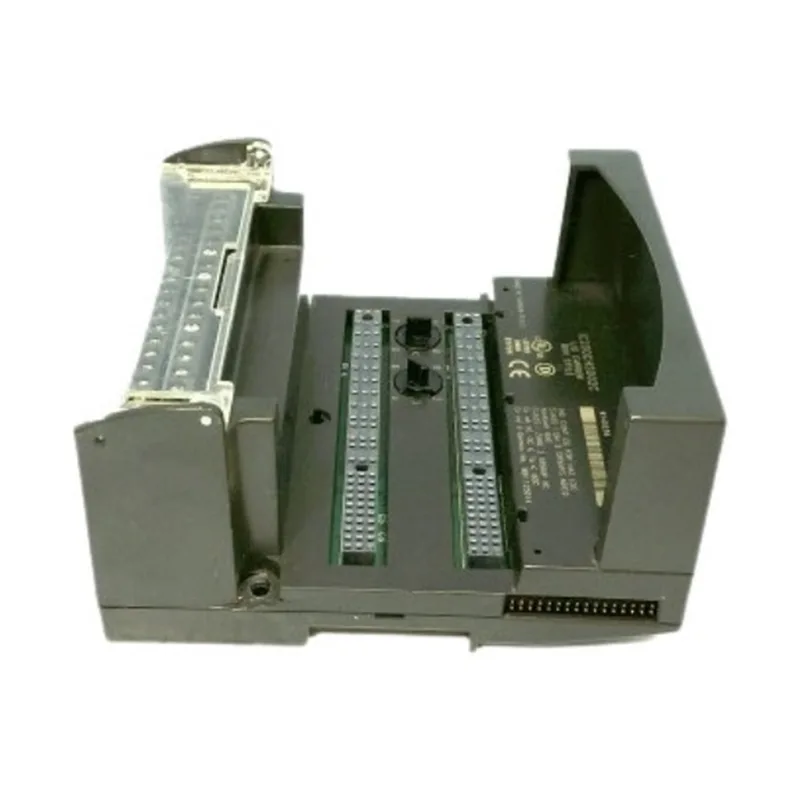
Which Fieldbus Protocols Are Widely Used for GE PLCs?
Fieldbus networks remain popular in industrial automation because they simplify wiring and enable deterministic control. Our experience shows that most clients rely on protocols such as Modbus, Profibus, and DeviceNet when connecting GE PLCs to distributed devices. In our factory, we configure devices to support these protocols natively, ensuring that the installation process is straightforward and maintenance is predictable. Choosing the right fieldbus impacts the efficiency of signal transmission and overall system reliability.
Here is a reference table highlighting common fieldbus protocols and their main characteristics when applied to GE PLCs:
| Protocol | Data Rate | Typical Application | Advantages |
| Modbus RTU | Up to 115200 bps | Small- to medium-scale automation systems | Simple setup, widely supported |
| Profibus DP | Up to 12 Mbps | Complex factory automation networks | Deterministic performance, high device count |
| DeviceNet | 125 kbps to 500 kbps | Industrial sensors and actuators | Robust communication, simple device integration |
How Does Ethernet-Based Communication Enhance GE PLC Integration?
Ethernet protocols are increasingly favored for industrial applications due to higher bandwidth and flexibility. GE PLCs support Ethernet/IP, Profinet, and Modbus TCP, allowing our customers to connect multiple controllers and monitoring systems efficiently. Our engineers recommend Ethernet solutions in scenarios where real-time data collection and remote monitoring are critical. By deploying GE PLCs with Ethernet protocols, our clients can achieve faster response times and better scalability in their production environments.
Our factory configures the hardware to meet industrial standards for shielding, surge protection, and signal integrity. Using Ethernet communication, we can link GE PLCs to SCADA systems, HMIs, and remote diagnostic tools without compromising reliability.
What Are the Differences Between Serial and Ethernet Communication for GE PLCs?
Serial communication, including RS232 and RS485, has been a staple in GE PLC applications for decades. It is simple and reliable, suitable for short-distance connections and smaller installations. Ethernet communication, on the other hand, provides higher speeds and supports larger networks. Our factory guides customers to select the right interface based on distance, network size, and the volume of data transmitted. Choosing between serial and Ethernet impacts system latency, scalability, and maintenance requirements.
The following table compares common serial and Ethernet options for GE PLCs:
| Communication Type | Standard | Data Rate | Best Use Case |
| RS232 | Serial | Up to 115 kbps | Short-distance, simple device connection |
| RS485 | Serial | Up to 10 Mbps | Longer distance with multiple nodes |
| Ethernet/IP | Ethernet | Up to 100 Mbps | Industrial networks with high-speed data exchange |
| Modbus TCP | Ethernet | Up to 100 Mbps | Flexible integration with SCADA and HMIs |
How Do Network Topologies Influence GE PLC Communication?
The network topology directly affects data transfer efficiency and fault tolerance in systems using GE PLCs. Star, ring, and daisy-chain topologies each offer advantages depending on device count and criticality of uptime. In our factory, we frequently advise customers on topologies that reduce latency and prevent bottlenecks. A properly designed network topology ensures that GE PLCs maintain deterministic control and consistent communication even under heavy load conditions.
What Factors Affect the Selection of Communication Protocols for GE PLCs?
When selecting protocols, several factors come into play: network speed requirements, device compatibility, environmental conditions, and existing infrastructure. Our engineering team evaluates these aspects and recommends solutions that align with operational objectives. Choosing the optimal protocol ensures that GE PLCs perform reliably and integrate seamlessly with other automation devices. Quanzhou Xinyuan Technology Co., Ltd. emphasizes compatibility testing to verify that all connected devices communicate without errors or delays.
What are the common communication protocols for GE PLCs? Frequently Asked Questions
Q1: Which protocol is best for a factory with high-speed assembly lines?
Ethernet/IP is generally preferred in high-speed environments due to its high bandwidth and low latency. Our team ensures that GE PLCs using Ethernet/IP can communicate efficiently with sensors, actuators, and supervisory systems without causing delays or data loss.
Q2: Can GE PLCs operate with mixed protocol networks?
Yes, GE PLCs can integrate into networks that combine serial and Ethernet protocols. Our factory configures gateways and protocol converters to allow seamless communication across different devices, maintaining system stability and reducing integration complexity.
Q3: How does protocol choice affect maintenance and troubleshooting?
The communication protocol influences the visibility and accessibility of diagnostic data. Modbus and Ethernet-based protocols provide detailed error codes and status information, which simplifies troubleshooting. Our engineers advise using protocols that support remote monitoring and detailed diagnostics to minimize downtime.
Conclusion
Understanding the common communication protocols for GE PLCs is essential for building reliable and efficient automation systems. From fieldbus to Ethernet-based communication, each protocol has its advantages and limitations. Quanzhou Xinyuan Technology Co., Ltd. provides GE PLCs configured to support multiple protocols, ensuring compatibility and long-term reliability. Our team is ready to assist with protocol selection, network design, and device integration. Contact our technical department today to optimize your industrial network and enhance system performance with our GE PLC solutions.
