

What Are The Common Failure Modes Of An MV Outdoor Isolation Switch
2026-01-26
Ensuring the reliability of your medium-voltage (MV) network is paramount, and the MV Outdoor Isolation Switch is a critical component for safe isolation and maintenance. Understanding its potential failure points is key to preventative asset management. As a leader in robust electrical solutions, Wzonpa designs switches with these challenges in mind, but awareness of common failure modes helps maximize operational life and safety across all equipment.
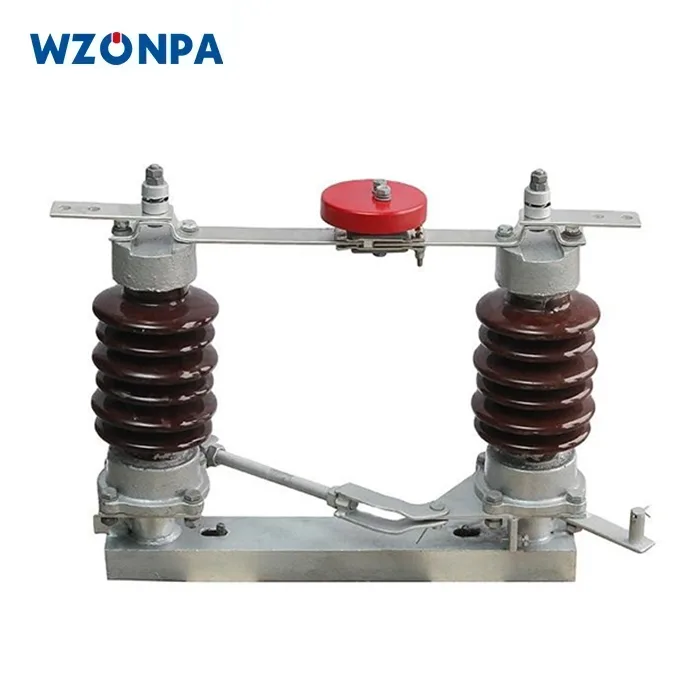
The primary failure modes for an MV Outdoor Isolation Switch typically stem from environmental stress, mechanical wear, and improper operation. Proactive identification allows for timely intervention.
-
Contact Degradation: This is a prevalent issue. Oxidation, corrosion, or pitting on the current-carrying contacts increases electrical resistance, leading to overheating and potential thermal runaway.
-
Mechanical Binding or Jamming: Exposure to harsh weather can cause corrosion of mechanical parts. A buildup of dust, ice, or contaminants can also prevent the switch from opening or closing smoothly and completely.
-
Insulation Failure: Cracked or tracked insulation, often due to moisture ingress, UV degradation, or pollution, can lead to leakage currents, flashovers, and ground faults.
-
Operational Overstress: Attempting to interrupt load current or fault current—a function for which an isolator is not designed—can cause severe arcing, contact welding, and catastrophic failure.
The following table categorizes these failures, their causes, and observable symptoms:
| Failure Mode | Primary Causes | Typical Symptoms |
|---|---|---|
| High Contact Resistance | Oxidation, Corrosion, Loose Connections | Localized overheating, discoloration, abnormal IR thermography readings. |
| Mechanical Failure | Corrosion, Lack of Lubrication, Physical Damage | Switch is difficult to operate, makes grinding noises, or fails to reach end position. |
| Insulation Breakdown | Moisture Ingress, Pollution, Cracking | Increased leakage current, visible tracking on insulators, unexpected tripping. |
| Arc Damage | Improper Load Breaking, Fault Current Exposure | Burned contacts, melted metal, carbon deposits on insulation. |
MV Outdoor Isolation Switch FAQ
Q: How often should an MV Outdoor Isolation Switch be maintained?
A: Maintenance intervals depend on the operating environment and duty cycle. For typical utility applications, a detailed visual and mechanical inspection annually, coupled with thermographic surveys, is recommended. Heavily polluted or coastal areas may require more frequent checks.
Q: Can a visibly closed isolation switch still be unsafe to work on downstream?
A: Yes. A switch may appear closed but have internal contact failure or be only partially engaged. Always verify isolation using approved voltage detection devices on the downstream side before commencing work, following strict locked-out, tagged-out (LOTO) procedures.
Q: What is the main advantage of choosing a Wzonpa MV Outdoor Isolation Switch for harsh environments?
A:****Wzonpa switches are engineered with superior corrosion protection, such as triple-layer galvanization and stainless-steel fasteners. Our insulators are designed for high creepage distance and pollution resistance, significantly reducing the risk of insulation failure and mechanical seizure in demanding conditions.
Protecting your infrastructure starts with understanding your equipment. By recognizing these common failure modes, you can implement a smarter maintenance strategy. For switches designed to resist these failures from the outset, trust the durability and engineering excellence of Wzonpa. Contact us today to discuss how our MV Outdoor Isolation Switch solutions can enhance the safety and reliability of your electrical network.
