

What Are the Main Causes of Failure in Electrical Insulation Systems
2026-03-04
Understanding the root causes of failure in Electrical Insulator systems is critical for maintaining grid reliability and preventing costly downtime. At CNKEEYA, we specialize in high-performance insulation solutions designed to mitigate these risks. When an Electrical Insulator fails, it is rarely due to a single event but rather a combination of environmental stresses, material fatigue, and mechanical factors.
Below, we break down the primary culprits behind insulation breakdown to help you identify vulnerabilities in your systems.
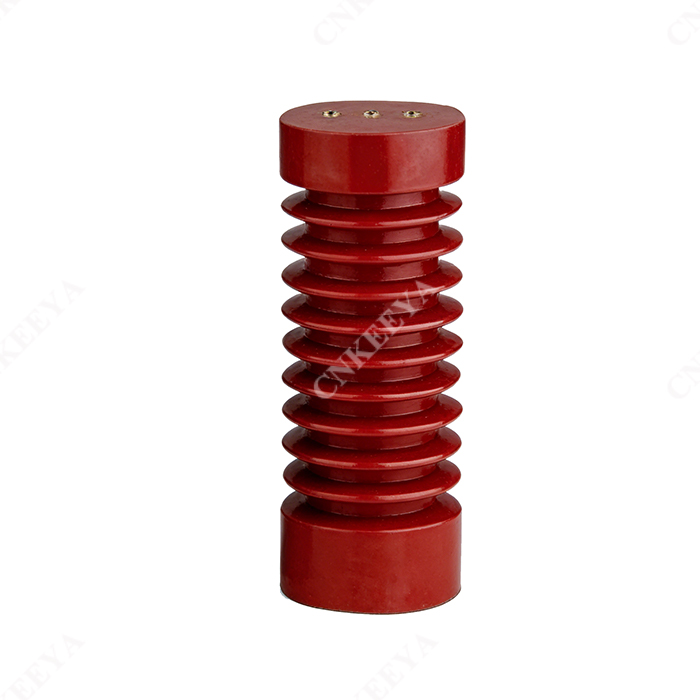
Primary Causes of Insulation Failure
Failures in Electrical Insulator systems can generally be categorized into electrical, mechanical, and environmental stresses. The table below outlines the most common failure mechanisms.
| Failure Cause | Description | Typical Indicators |
|---|---|---|
| Electrical Stress | Overvoltage conditions, such as lightning strikes or switching surges, can exceed the dielectric strength of the insulator, causing puncture or flashover. | Carbonized tracks, puncture holes, surface arcing. |
| Thermal Degradation | Excessive heat from overloads or high ambient temperatures accelerates oxidation and chemical breakdown of insulating materials. | Embrittlement, melting, discoloration (browning). |
| Mechanical Stress | Physical damage from improper installation, vibration, or impact causes cracks, especially in porcelain Electrical Insulator units. | Visible cracks, broken sheds, complete fracture. |
| Contamination (Pollution) | Accumulation of salt, dust, or industrial pollutants creates a conductive layer on the surface. When combined with moisture, this leads to leakage currents and dry-band arcing. | Tracking marks, erosion of material, white powder residue. |
| Moisture Ingress | Water penetration through seals or cracks reduces insulation resistance and can lead to corrosion of internal fittings. | Rust on hardware, low insulation resistance readings. |
| Partial Discharge (PD) | Localized dielectric breakdown of a small portion of the insulation under high voltage stress. Over time, PD erodes the material. | Corona discharge, UV light emission, audible buzzing. |
Common Failure Scenarios in the Field
To further illustrate how these causes manifest, here are specific scenarios that degrade an Electrical Insulator:
-
Surface Tracking: Pollution layers on the insulator surface become wet. This creates a path for current to flow, drying out the moisture and creating "dry bands." Arcing across these bands burns the surface, creating carbon paths (tracks).
-
Aging and UV Exposure: Non-ceramic insulators exposed to sunlight undergo UV degradation. The housing material loses its hydrophobicity (water-repellent nature), leading to increased leakage current and eventual erosion.
-
Corrosion of End Fittings: Galvanic corrosion between the insulator metal end fittings and the tower structure can expand and crack the insulator housing, exposing the fiberglass core to moisture.
How CNKEEYA Addresses These Challenges
Preventing failure starts with robust design and material selection. CNKEEYA engineers its products to withstand extreme electrical and environmental stresses. By using advanced shed designs to maximize creepage distance and high-grade silicone rubber to resist tracking, our Electrical Insulator solutions ensure long-term performance even in polluted environments.
Frequently Asked Questions (FAQ)
Here are three common questions regarding Electrical Insulator failures.
Q: How can you tell if an Electrical Insulator is about to fail?
A: Early warning signs include visible cracks on the surface, rust streaks from the end fittings, and the presence of corona discharge (often seen as a faint purple glow or heard as a buzzing sound at night). Infrared thermography can also reveal hot spots caused by leakage currents, indicating a compromised insulator long before a complete failure occurs.
Q: What is the difference between a flashover and a puncture in an insulator?
A: A flashover is an electrical discharge that occurs around the outside surface of the Electrical Insulator, traveling through the air. It is often caused by pollution and moisture. Importantly, a flashover does not permanently destroy the insulator; it can sometimes self-clear. A puncture, however, occurs through the body of the insulator, creating an internal conductive path. This is a permanent and catastrophic failure that destroys the insulator's functionality.
Q: Why do insulators fail more often in coastal areas?
A: Coastal environments expose insulators to salt-laden sea spray. Salt is highly conductive. When this salt settles on the surface of an Electrical Insulator and combines with high humidity or fog, it creates a highly conductive film. This drastically reduces the insulator's effective resistance, leading to high leakage currents and increasing the likelihood of a flashover event, sometimes even at normal operating voltages.
Ensure Reliability with CNKEEYA
Understanding the causes of failure is the first step toward prevention. Don't wait for unexpected downtime to compromise your operations. Protect your infrastructure with high-quality components designed to withstand the toughest conditions.
Contact us today for a consultation on our durable Electrical Insulator products and find the perfect solution for your grid.
