

What Are the Main Differences Between Activated Carbon and Carbon Cartridge Molecular Filter Technology
2026-05-11
When improving indoor air quality, many people confuse traditional activated carbon filters with advanced Carbon Cartridge Molecular Filter technology. As a leader in air filtration, Grandfort helps clarify these differences so you can choose the right solution for homes, grow rooms, or commercial spaces.
Both technologies remove gaseous pollutants, but they work very differently. Below is a detailed comparison.
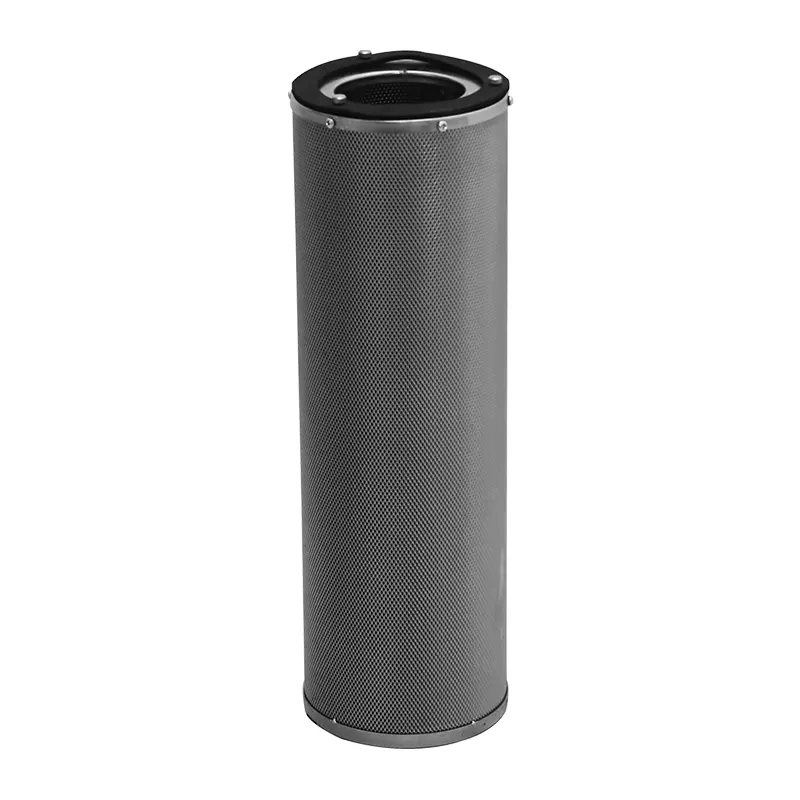
Key Differences at a Glance
| Feature | Activated Carbon Filter | Carbon Cartridge Molecular Filter |
|---|---|---|
| Filtration mechanism | Physical adsorption (pores trap molecules) | Controlled molecular capture + chemical bonding |
| Target pollutants | Broad range of VOCs and odors | Specific gases (formaldehyde, ammonia, ethylene) |
| Efficiency over time | Declines as pores fill | Maintains steady performance longer |
| Humidity resistance | Moderate – loses efficiency in high humidity | High – engineered for variable moisture |
| Replacement indicator | Guessed by odor breakthrough | Often has saturation sensors |
| Customization | Limited | Can be tailored for specific gas families |
How Each Technology Works
A standard activated carbon filter uses a porous carbon bed. Molecules stick to the surface through weak Van der Waals forces. Once all pores are filled, the filter stops working.
A Carbon Cartridge Molecular Filter, such as those engineered by Grandfort, combines activated carbon with targeted molecular sieves or chemisorbents. This allows the filter to chemically bind with specific gases like volatile organic compounds (VOCs), nitrogen dioxide, or sulfur compounds. The result is consistent, predictable removal even in challenging environments like grow rooms or industrial labs.
Why the Difference Matters
Choosing the wrong technology leads to poor air quality and wasted money. For general household odors (cooking, pets), standard activated carbon may suffice. But for applications requiring precision—such as protecting plants from ethylene gas or removing formaldehyde in new buildings—a Carbon Cartridge Molecular Filter is essential.
Grandfort carbon cartridge systems are designed for long life and high capacity. Users report 40–60% longer service intervals compared to loose-fill activated carbon beds.
Frequently Asked Questions About Carbon Cartridge Molecular Filter Technology
Q1: How long does a Carbon Cartridge Molecular Filter last before needing replacement?
A1: Lifespan depends on pollutant concentration, airflow, and humidity. Under typical residential conditions (low VOCs, 40–60% RH), a Grandfort Carbon Cartridge Molecular Filter lasts 12–18 months. In grow rooms with high ethylene and terpene loads, expect 6–9 months. Unlike standard activated carbon, molecular cartridge filters often include a saturation strip or pressure drop gauge to indicate exactly when replacement is needed.
Q2: Can a Carbon Cartridge Molecular Filter remove both particles and gases?
A2: No. A Carbon Cartridge Molecular Filter is designed exclusively for gaseous pollutants and odors. It will not capture dust, pollen, or mold spores. For complete air purification, Grandfort recommends pairing a molecular filter with a pre-filter or HEPA stage. The pre-filter captures particulates, extending the life of the carbon cartridge by preventing pore-clogging dust.
Q3: Is a Carbon Cartridge Molecular Filter effective against ammonia and formaldehyde simultaneously?
A3: Yes, but only if the cartridge is formulated with multiple media types. Standard activated carbon is poor at ammonia removal because ammonia is polar and small. A Carbon Cartridge Molecular Filter from Grandfort can include impregnated media (e.g., potassium permanganate or acidified carbon) that targets ammonia, formaldehyde, and hydrogen sulfide within one cartridge. Always check the product datasheet to confirm which gases are listed.
Final Recommendation
If you need basic odor control, standard activated carbon is acceptable. For precise, long-lasting gas removal in sensitive environments, invest in a Carbon Cartridge Molecular Filter from Grandfort. The higher upfront cost pays for itself through fewer replacements and better protection of health, crops, or equipment.
Contact us today at Grandfort for a free consultation. Our engineers will help you select the right Carbon Cartridge Molecular Filter based on your specific pollutant profile and airflow requirements.
