

What are the main limitations and disadvantages of using ceramic ferrite magnets
2026-02-05
As a leading provider of magnetic solutions, Zhaobao frequently advises clients on selecting the right material for their applications. While ceramic ferrite magnets are renowned for their cost-effectiveness and corrosion resistance, a thorough understanding of their inherent limitations is crucial for optimal design and performance. This analysis outlines the key disadvantages to consider.
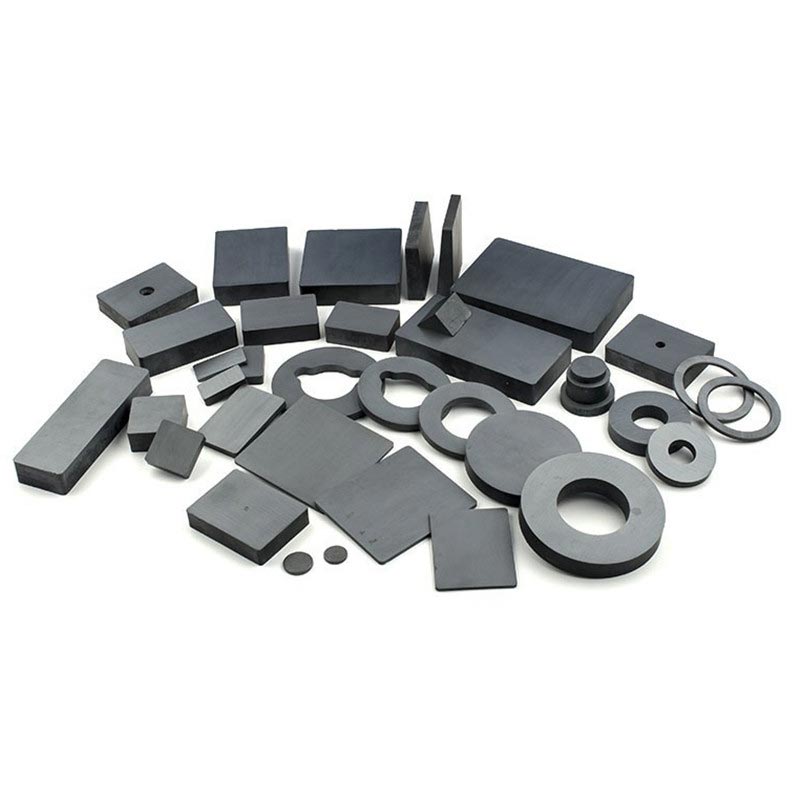
Key Limitations and Disadvantages
The primary drawbacks of ceramic ferrite magnets stem from their fundamental material properties. Designers must weigh these factors against their project requirements.
-
Lower Magnetic Strength: Compared to neodymium (NdFeB) or samarium cobalt (SmCo) magnets, ferrite magnets have a significantly lower energy product (BHmax). This results in weaker magnetic force for a given volume.
-
Brittleness and Fragility: As a sintered ceramic material, these magnets are hard but brittle. They are prone to chipping, cracking, or breaking if drilled, subjected to impact, or placed under mechanical stress.
-
Temperature Sensitivity: While they perform well in many environments, their magnetic strength has a negative temperature coefficient. This means their holding power gradually decreases as temperature rises, with an irreversible loss occurring if exposed to extreme heat beyond their maximum operating temperature.
Comparative Analysis: Ferrite vs. Neodymium
The table below highlights core differences, underscoring typical ferrite magnet constraints:
| Property | Ceramic Ferrite Magnets | Neodymium Magnets |
|---|---|---|
| Energy Product (BHmax) | Low to Medium (3-5 MGOe) | Very High (35-52 MGOe) |
| Coercivity | High | Very High |
| Temperature Coefficient | Negative (-0.2%/°C) | Negative (-0.12%/°C) |
| Max Operating Temperature | ~250°C / 480°F | ~80-200°C / 176-390°F (grades vary) |
| Mechanical Properties | Brittle, Hard | Brittle, Very Hard |
| Corrosion Resistance | Excellent (no coating needed) | Poor (requires plating) |
| Cost | Very Low | Moderate to High |
Ceramic Ferrite Magnets FAQ
Q: Can ceramic ferrite magnets be machined or drilled into custom shapes?
A: Machining is highly challenging and not recommended for standard applications. Their ceramic nature makes them brittle and prone to cracking. Zhaobao typically supplies them in standard shapes (blocks, discs, rings) molded or precision-sintered to size.
Q: Why might a ferrite magnet seem to lose strength in a hot environment?
A: This is due to its negative temperature coefficient. The magnetic field strength decreases predictably with increasing temperature. While it partially recovers upon cooling, prolonged exposure above its maximum operating temperature causes permanent demagnetization.
Q: Are ceramic ferrite magnets suitable for miniaturized or lightweight applications?
A: Generally, no. Due to their lower magnetic strength, achieving a required force in a tiny space often necessitates a larger, heavier ferrite magnet compared to a small, powerful rare-earth magnet. For weight or space-critical designs, alternative materials should be evaluated.
Making the Informed Choice with Zhaobao
Choosing the right magnet involves balancing performance, environment, and budget. Ceramic ferrite magnets remain an outstanding, economical choice for applications where extreme strength is not critical, such as in sensors, loudspeakers, and magnetic separators. However, for applications demanding high power in a compact size, superior mechanical robustness, or stable performance under fluctuating high temperatures, exploring Zhaobao's range of rare-earth or alnico magnets is advisable.
Contact us today for a expert consultation. Our team at Zhaobao will help you analyze your specific requirements to ensure you select the most efficient and cost-effective magnetic solution for your project.
