

What Are the Signs That Your Pulley Lagging Needs Immediate Replacement
2026-07-06
Pulley lagging is the unsung hero of any belt conveyor system. When it performs well, operations run smoothly; when it fails, entire production lines grind to a halt. For facilities relying on material transport, recognizing the early warning signs of failing pulley lagging can mean the difference between a scheduled maintenance swap and a catastrophic shutdown. At Quality Material Handling, we have spent decades diagnosing lagging failures, and we know that most replacements happen far later than they should. This guide walks you through the unmistakable indicators that your pulley lagging demands urgent attention—alongside expert answers to the most frequently asked questions on the topic.
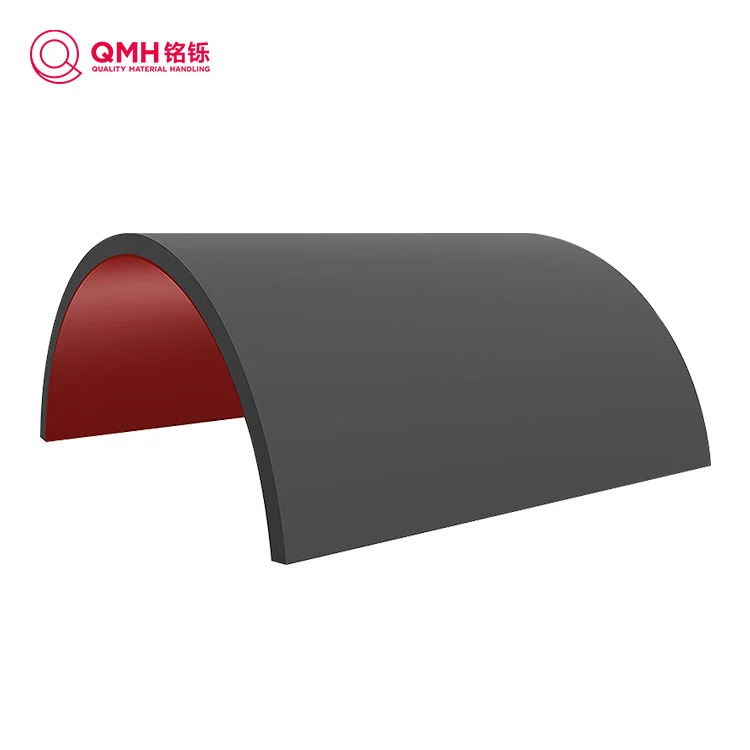
Visual Deterioration: Cracks, Tears, and Grooving
The most obvious sign is physical damage to the lagging surface. Walk along your conveyor and inspect the pulley face. If you observe deep grooves worn into the rubber or ceramic tiles, that means the belt is cutting into the lagging under tension. Cracks that run perpendicular to the pulley axis are particularly dangerous because they propagate quickly under cyclic loading. Tears exposing the metal pulley shell underneath indicate that the protective layer has already been compromised. When you see metal shining through, pulley lagging replacement is not optional—it is an emergency. Quality Material Handling recommends weekly visual inspections, but daily spot-checks are even better in high-abrasion environments like mining or aggregate processing.
Belt Slippage and Tracking Issues
Have you noticed your conveyor belt hesitating during startup or drifting to one side? That is a classic symptom of worn pulley lagging. The lagging provides the necessary friction coefficient to drive the belt forward. As the surface becomes polished or glazed from material fines and moisture, the friction drops below the required threshold. Slippage is not just inefficient—it generates heat, which accelerates further degradation of the remaining lagging and can even ignite combustible dust in hazardous settings. If your drive pulley is turning but the belt is lagging behind, schedule a replacement immediately. Quality Material Handling provides friction-testing services to quantify exactly how much grip you have left before slippage becomes critical.
Uneven Wear Patterns and Ovality
Not all wear is uniform. If you run your hand (carefully, while locked out) along the lagging surface and feel high and low spots, the pulley may have developed ovality—an out-of-round condition. This occurs when lagging wears faster on one side due to off-center loading or misaligned idlers. Uneven wear causes harmonic vibrations that damage bearings, shafts, and the belt itself. The table below summarizes the common wear patterns and their root causes:
| Wear Pattern | Likely Root Cause | Urgency Level |
|---|---|---|
| Centre grooving | Heavy material impact zone | High |
| Edge thinning | Belt misalignment or crooked tracking | Immediate |
| Random pitting | Corrosive chemicals or trapped abrasives | Medium |
| Diagonal scoring | Scraper blade pressure or foreign objects | High |
| Glazed/shiny surface | Moisture, oil, or excessive belt tension | Immediate |
If your pulley lagging matches any of the "High" or "Immediate" rows, contact Quality Material Handling within 24 hours for a site assessment.
Excessive Vibration or Unusual Noise
Healthy pulley lagging absorbs impact and dampens rotational noise. When the lagging loses its resilience—especially in rubber compounds that have hardened due to ozone or heat—the pulley begins to transmit every shock directly into the structure. You might hear a rhythmic thumping or a high-pitched squeal during operation. These acoustic signatures often precede complete delamination, where large sheets of lagging peel away from the pulley shell. Delamination is dangerous because the loose piece can wrap around the pulley, tear the belt, or eject at high velocity. Quality Material Handling uses vibration analysis as a predictive tool to catch these issues before they become safety incidents.
Material Build-Up and Carry-Back
If you notice excessive material sticking to the pulley face, your pulley lagging may have lost its self-cleaning properties. Chevron or herringbone patterns are designed to channel away fines and water. When these grooves are filled flush with the surface, the lagging can no longer shed debris. This build-up creates a false diameter increase, altering belt tension and accelerating wear on the splices. Worse, trapped material acts as an abrasive paste between the belt and pulley, grinding down both components. Quality Material Handling offers custom grooving solutions that restore cleaning efficiency without a full pulley swap—but once the pattern is gone, replacement is the only fix.
FAQ: Common Questions About Pulley Lagging Replacement
Q: How can I tell if my pulley lagging has reached the end of its usable life without shutting down the conveyor?
A: You can perform a non-destructive thickness measurement using an ultrasonic gauge while the conveyor is running under controlled conditions. Compare your reading to the original installed thickness—when 60% or more of the lagging has worn away, immediate replacement is advised. Additionally, monitor the drive motor's amperage draw. A gradual increase in current without a change in load indicates that the pulley lagging is losing traction and the motor is working harder to compensate. At Quality Material Handling, we provide portable testing kits and remote monitoring options so you never have to guess.
Q: What is the average service life of pulley lagging, and does replacement always require removing the pulley from the system?
A: Service life varies dramatically by application: clean, dry indoor conveyors may see 5–7 years, while heavy-duty mining or aggregate operations often require replacement every 12–18 months. The good news is that modern replacement does not always necessitate pulley removal. Quality Material Handling offers in-situ strip-and-relagging services using cold-bonding or hot-vulcanizing techniques that are performed on-site with the pulley still mounted in its frame. This approach cuts downtime from days to hours. However, if the pulley shell itself is corroded or pitted, we will recommend a bench replacement to ensure the new lagging adheres properly.
Q: Can I patch a damaged section of pulley lagging instead of replacing the entire covering?
A: Patching is a temporary emergency measure—never a permanent solution. You can apply a cold-cure repair strip to cover a small tear or gouge, but the patch will not bond with the same structural integrity as the original vulcanized layer. The repaired area will wear at a different rate, creating an uneven surface that leads to belt flutter and accelerated failure of adjacent sections. At Quality Material Handling, we advise using patches only to get you through to a scheduled weekend shutdown. For any damage larger than 10% of the pulley face area, full replacement is the safest and most cost-effective choice in the long run.
When to Act – and How Quality Material Handling Helps
Ignoring these signs does not save money—it multiplies repair costs through secondary damage to belts, bearings, gearboxes, and structural frames. A single instance of pulley lagging failure can cost 10 times the price of a proactive replacement when you factor in lost production, emergency labour, and replacement parts. Quality Material Handling stocks a full range of ceramic, rubber, and polyurethane pulley lagging options, including flame-retardant and oil-resistant grades for specialised environments. Our engineers provide on-site thickness mapping, friction-coefficient testing, and tailored installation schedules that fit your production calendar.
Contact Us Today
Your conveyor system is only as reliable as its pulley lagging. Do not wait for a breakdown to force your hand. Quality Material Handling offers free initial consultations, including a visual assessment and wear-analysis report within two business days. Whether you need emergency on-site relagging, a spare pulley ready to swap, or a long-term predictive maintenance plan, our team is ready to respond. Reach out through our website or call our 24/7 support line—because when pulley lagging shows these signs, every hour counts. Contact Quality Material Handling now and keep your material flow moving safely and efficiently.
