

Article Summary:
The Engine accessory radiator DZ91125328 is a heavy-duty engine cooling component designed to help maintain stable operating temperatures under demanding truck conditions. For fleets, repair workshops, distributors, and truck-parts buyers, understanding its cooling role, fitment requirements, construction, failure symptoms, replacement considerations, and inspection points can reduce unnecessary downtime and prevent cooling-system problems from developing into more expensive engine damage. This guide explains how the DZ91125328 radiator works, what buyers should verify before ordering, how installation affects performance, and how proper maintenance can extend cooling-system service life.
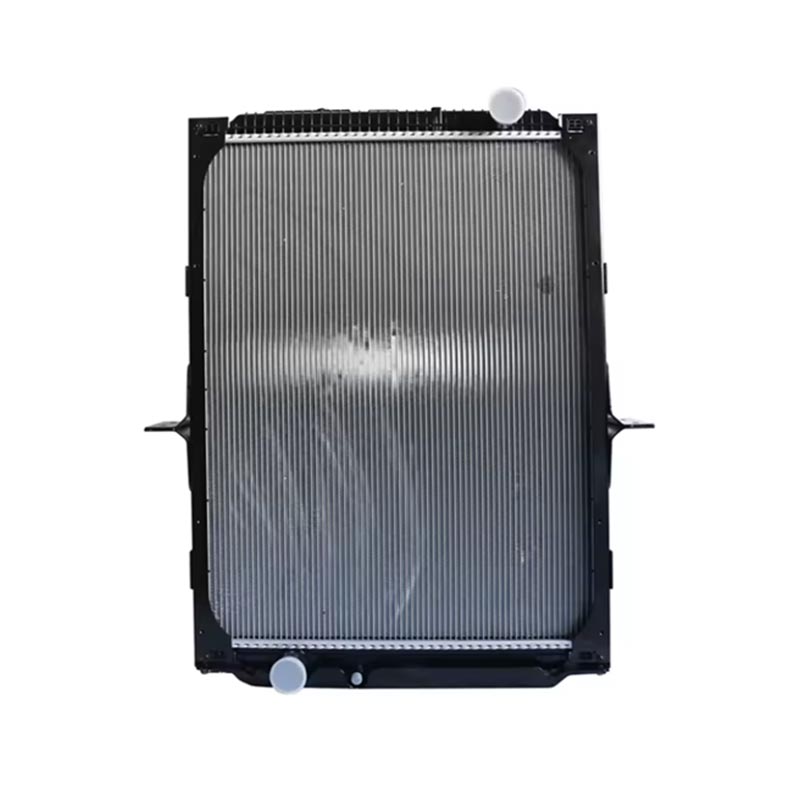
What Role Does the DZ91125328 Radiator Play?
A heavy-duty truck engine generates substantial heat while producing power. During highway transport, climbing, construction work, mining-related transportation, or continuous high-load operation, the cooling system must remove this heat consistently. The radiator is one of the key components responsible for transferring heat from the engine coolant to the surrounding air.
The Engine accessory radiator DZ91125328 is positioned as a cooling component for heavy-duty truck applications, particularly systems associated with Shacman truck applications. Product information supplied by Skyond describes the component as being designed for high-load and long-duration operating conditions, with an emphasis on stable engine temperature control.
This function is more important than simply preventing the temperature gauge from entering the red zone. Stable thermal conditions help the engine maintain consistent operating characteristics and reduce thermal stress on components such as cylinder heads, gaskets, hoses, seals, and other parts surrounding the cooling circuit.
How Does an Engine Accessory Radiator Transfer Heat?
The basic cooling process is straightforward, but every stage needs to work properly. Engine coolant absorbs heat from the engine and carries that heat through the cooling circuit. When the heated coolant reaches the radiator, heat moves through the radiator's internal passages and fins. Air passing through the radiator then carries the heat away from the vehicle.
The effectiveness of this process depends on several factors: coolant flow, radiator surface area, fin condition, airflow, ambient temperature, internal cleanliness, and the overall condition of the cooling system. A radiator that is technically compatible but installed into a system with restricted airflow or contaminated coolant may not deliver the expected result.
Heat Transfer Surface
The radiator core provides a large surface area that allows heat to move from the coolant toward the surrounding air efficiently.
Coolant Circulation
Continuous coolant circulation allows heat generated by the engine to reach the radiator instead of remaining concentrated around high-temperature engine areas.
Airflow Management
Airflow across the radiator fins is essential. Dust, mud, insects, bent fins, or blocked passages can reduce effective heat exchange.
Structural Stability
Heavy trucks experience vibration, road impact, temperature changes, and long operating cycles, so radiator mounting and connection integrity are important.
DZ91125328 Product Information at a Glance
Before purchasing an Engine accessory radiator DZ91125328, buyers should establish the exact part reference and application. Available product information identifies this radiator as a heavy-duty truck engine cooling component associated with Shacman applications. The supplier's current product information also lists China as the place of origin and identifies the product within its engine-parts range.
| Item | Information |
|---|---|
| Product | Engine accessory radiator DZ91125328 |
| Application | Heavy-duty truck engine cooling applications |
| Associated Truck Brand | Shacman applications should be verified against the vehicle and original part number |
| Product Category | Truck engine parts / cooling system components |
| Origin | Shandong, China |
| Supply Capability | Available through professional truck-parts supply channels |
One important detail should be checked carefully before placing a purchase order: online product information may contain inconsistent reference-number entries. The product page associated with DZ91125328 also displays DZ9112532888 in several parameter fields. Therefore, buyers should provide the original radiator number, vehicle model, photographs, dimensions, and connection details when requesting confirmation rather than relying on a number alone.
Which Construction Details Matter in Heavy-Duty Service?
A radiator used on a commercial truck has to cope with considerably more demanding conditions than a light-duty passenger vehicle. Long-distance operation, frequent acceleration, heavy cargo, steep gradients, high ambient temperatures, road vibration, dust, and contaminated airflow can all increase the workload placed on the cooling system.
Core and Fin Arrangement
The radiator core is responsible for creating the heat-transfer path between coolant and air. Fin density, passage design, core construction, and airflow resistance all influence thermal performance. Product information for the DZ91125328 describes an optimized fin structure intended to support heat dissipation during high-load operation.
Material Selection
Aluminum and copper are commonly encountered in radiator construction, with each material offering different combinations of thermal conductivity, weight, cost, and structural characteristics. The supplier information for this product contains conflicting material references on different language versions, so material should be confirmed with the supplier against the exact production specification before procurement.
Mounting and Connection Accuracy
A replacement radiator can have adequate heat-transfer capacity and still cause installation problems if its mounting brackets, hose connections, dimensions, or surrounding clearances do not correspond with the original configuration. Correct positioning also helps prevent unnecessary stress on hoses and connections when the truck is subjected to vibration.
What Problems Can a Worn Radiator Cause?
Cooling-system problems rarely begin with complete radiator failure. More often, performance gradually declines. A fleet maintenance team may first notice that engine temperature rises more quickly during climbs, that the cooling fan operates more frequently, or that the truck requires more attention during hot-weather operation.
- Coolant leakage: Damaged tanks, joints, tubes, seals, or connections can cause coolant loss.
- Blocked airflow: Dirt, mud, debris, and damaged fins can reduce the amount of air passing through the core.
- Internal restriction: Deposits or contamination may reduce coolant circulation through the radiator.
- Mechanical damage: Road debris and vibration can damage fins, brackets, or connections.
- Repeated overheating: A cooling system that cannot remove sufficient heat may allow operating temperature to rise under load.
A radiator is only one part of the cooling system, so overheating should not automatically be attributed to the radiator. The water pump, thermostat, cooling fan, hoses, coolant condition, airflow path, and engine condition should also be checked. This broader diagnostic approach helps prevent unnecessary replacement of a correctly functioning radiator.
What Should Buyers Check Before Ordering?
For truck-parts distributors and repair workshops, incorrect fitment can be more expensive than a difference in unit price. A wrong radiator can result in installation delays, additional freight, return handling, and vehicle downtime. A structured verification process is therefore worthwhile.
| Check Point | Why It Matters |
|---|---|
| Original part number | Provides the first reference for identifying the intended replacement. |
| Truck model and configuration | Different vehicle configurations can use different cooling components. |
| Overall dimensions | Confirms that the replacement can fit within the original installation space. |
| Inlet and outlet positions | Helps ensure that coolant hoses can be connected without unsuitable routing. |
| Mounting points | Correct brackets and mounting positions reduce installation difficulty and vibration stress. |
| Material and core construction | Should match the required application and confirmed supplier specification. |
| Inspection and testing | Leak and pressure checks help identify manufacturing or assembly problems before installation. |
For bulk purchasing, it is also useful to request photographs of the actual production item, packaging information, inspection records where available, and confirmation of the exact reference number. These details create a clearer connection between the quotation and the physical product that will be shipped.
How Should the Radiator Be Installed?
Correct installation is just as important as radiator quality. Before removing the old component, technicians should allow the engine and coolant to cool to a safe temperature. The cooling system should then be drained according to the vehicle manufacturer's maintenance procedure.
- Confirm that the replacement radiator matches the vehicle and original part reference.
- Inspect the radiator, brackets, ports, tanks, and fins before installation.
- Clean the surrounding installation area and remove debris that could interfere with airflow.
- Install the radiator without forcing brackets or hose connections into an incorrect position.
- Reconnect coolant hoses and related components securely.
- Fill the cooling system with the appropriate coolant according to the vehicle requirements.
- Bleed trapped air where required by the vehicle's cooling-system procedure.
- Start the engine and inspect for leakage, abnormal temperature behavior, or unusual vibration.
- Recheck coolant level and connections after the system reaches normal operating conditions.
How Can Truck Operators Protect Radiator Performance?
Preventive maintenance is particularly valuable for heavy-duty vehicles because radiator problems often become more noticeable when the truck is already operating under maximum load. Regular inspection allows small issues to be addressed before they contribute to a larger cooling-system failure.
Keep the External Core Clean
Dust and debris between the fins can reduce airflow. Trucks operating on construction sites, unpaved roads, mines, agricultural routes, and other dusty environments may require more frequent cleaning than vehicles operating mainly on paved highways.
Inspect for Leakage
Coolant stains, a falling coolant level, wet areas around connections, or repeated topping-up requirements should be investigated rather than ignored. A small leak can become a significant problem during a long-distance journey.
Monitor Operating Temperature
Drivers and maintenance teams should pay attention to changes from the truck's normal temperature behavior. A temperature increase that repeatedly occurs during the same operating condition can provide useful diagnostic information.
Check the Complete Cooling System
Radiator performance depends on the rest of the system. The thermostat, water pump, fan, belts, hoses, coolant, and airflow path should be inspected according to the truck manufacturer's maintenance requirements.
Where Is the DZ91125328 Used?
The Engine accessory radiator DZ91125328 is positioned for heavy-duty truck cooling applications, with product information identifying Shacman-related truck systems. The broader Skyond catalog includes engine parts, chassis components, truck filters, pumps, turbochargers, truck engines, and Shacman parts.
In practical fleet environments, a radiator of this type may be relevant to vehicles performing demanding transportation and engineering-related work where stable engine temperature is important. The actual compatibility, however, should always be confirmed against the vehicle configuration and original part reference before purchase.
| Operating Environment | Cooling-System Concern |
|---|---|
| Long-distance freight | Continuous engine operation and sustained heat load |
| Heavy cargo transportation | Higher engine workload during acceleration and gradients |
| Construction transportation | Dust, vibration, debris, and repeated heavy-load cycles |
| Hot-weather operation | Reduced temperature margin between normal operation and overheating |
| Fleet maintenance | Need for dependable replacement parts and predictable fitment |
What Should a Professional Supplier Provide?
When purchasing truck radiators for workshop use, fleet maintenance, or distribution, the supplier's role goes beyond providing a unit at a quoted price. Product identification and technical communication are particularly important for OE-referenced truck parts.
A dependable supplier should be able to help buyers verify the part number, application, dimensions, connection arrangement, available materials, packaging, inspection requirements, and delivery details. For larger orders, consistent batch quality and clear communication about production specifications are also important.
Skyond's product information presents the company as a China-based supplier of heavy-duty truck parts and identifies the Engine accessory radiator DZ91125328 within its product range. Its site also describes OEM/ODM services and support for customized truck-parts requirements.
Part Identification
Confirm the reference number, vehicle application, dimensions, mounting points, and connection configuration before quotation.
Pre-Shipment Inspection
Leak detection, pressure-related checks, visual inspection, and dimensional verification can help reduce avoidable quality issues.
Export Packaging
Proper protection is important because radiator fins and connection areas can be vulnerable during handling and international transportation.
After-Sales Communication
Clear procedures for reporting product issues can help distributors and workshops resolve problems more efficiently.
Frequently Asked Questions About Engine Accessory Radiator DZ91125328
It is a heavy-duty engine cooling component intended to help transfer heat from the engine coolant to the surrounding air. Available product information associates it with Shacman truck cooling applications.
Not necessarily. Truck configurations can vary, so buyers should verify the original part number, vehicle model, radiator dimensions, mounting points, and hose connections before ordering.
Provide the original radiator part number, truck model, vehicle configuration if available, required quantity, destination country, and photographs of the existing radiator. Dimensions and connection details are also useful when the part number is uncertain.
Material availability depends on the specific production specification and order requirements. Because current online product information contains different material references, buyers should request written confirmation of the material for the exact item being quoted.
Common warning signs include visible coolant leakage, repeated coolant loss, damaged or heavily blocked fins, abnormal temperature increases under load, and physical damage to the radiator core or mounting structure. A complete cooling-system diagnosis should be performed before replacement.
No. Overheating can also result from a faulty thermostat, water pump, cooling fan, restricted airflow, incorrect coolant, damaged hoses, or other engine and cooling-system problems. Replacing the radiator without identifying the root cause may not solve the issue.
Bulk buyers should focus on consistent specifications, confirmed part references, packaging, inspection procedures, production capacity, lead time, and after-sales handling. It is also useful to approve a sample or reference unit before placing a larger repeat order.
Yes. When requesting an international quotation, provide the required quantity, destination port or country, packaging requirements, and the exact product reference. This allows the supplier to provide more accurate product and shipping information.
Need the Engine Accessory Radiator DZ91125328?
If you are sourcing heavy-duty truck radiators for fleet maintenance, truck-parts distribution, repair workshops, or overseas replacement-parts markets, accurate product matching should come before price comparison. Send your original part number, truck model, photos, quantity, and destination requirements to Shandong Skyond Import and Export Trading Co., Ltd. for product verification and quotation.
Contact us today to confirm the Engine accessory radiator DZ91125328, discuss your truck-parts requirements, and receive practical support for your next order.
