

What Inspection Steps Help Identify Early Damage in an Excavator Hydraulic Cylinder?
2026-11-02
A contractor reviews two repair invoices for the same 20 ton excavator. The first invoice is for a seal kit and a rod polish on the boom Excavator Hydraulic Cylinder. The cost is $1,200. The second invoice, six months later, is for a complete cylinder replacement after the rod fractured at the clevis. The cost is $9,500, plus two days of lost production. The difference between the two invoices is not luck. It is the timing of the inspection. The first repair was triggered by a daily walk-around that found oil weeping at the wiper seal. The second repair was triggered by a sudden failure on site. This guide explains the inspection steps that identify damage before it becomes a failure.
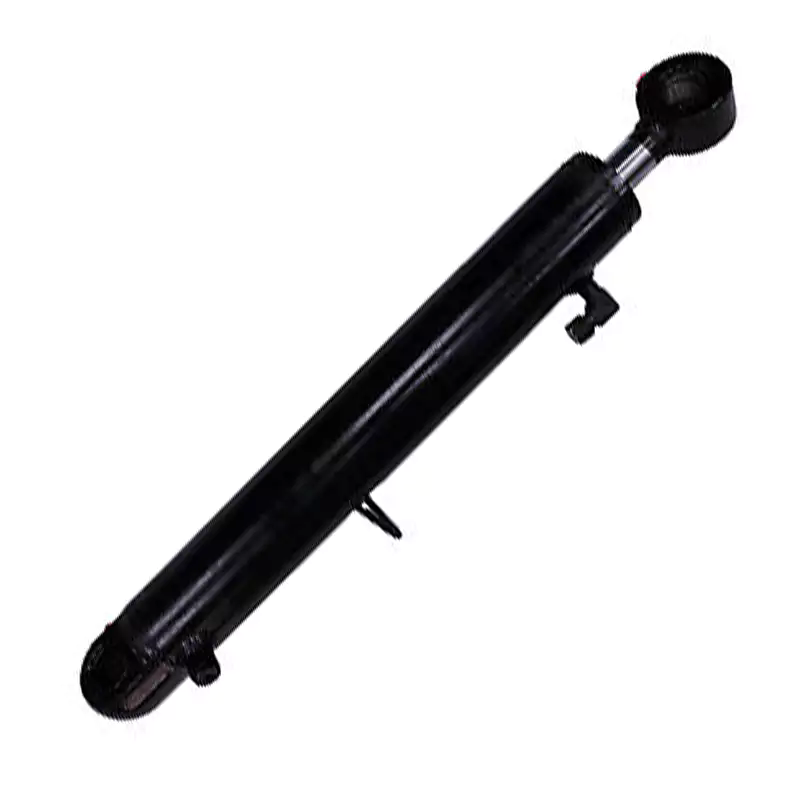
1. Why Does an Early Damage Inspection Program Save More Than It Costs?
Hydraulic cylinder damage is progressive. It begins with a small change that does not affect the machine's operation. A wiper seal starts to harden. A rod surface develops a faint discoloration. An internal seal begins to bypass a small amount of oil. None of these changes are visible to the operator, and none of them affect the cycle time in a noticeable way. By the time the operator reports a problem, the damage has usually progressed to the point where the rod is scored, the barrel is worn, or the seal has failed completely. The inspection program is designed to catch the damage at the first stage, when the repair is limited to a seal kit and a rod polish. In our factory, we manufacture Excavator Hydraulic Cylinder units and we provide inspection guidelines to our customers. Raydafon Technology Group Co.,Limited has been manufacturing hydraulic cylinders for over 20 years.
The cost difference is not only the parts. A sudden failure on site can damage the boom, the hoses, and the surrounding components. It can also injure the operator if the boom drops. The inspection program is therefore a safety measure as well as a cost measure.
2. What Daily Walk-Around Checks Reveal Damage Before It Becomes a Failure?
The daily walk-around is the first line of inspection. It takes five minutes and requires no tools. The inspector looks at five points on each cylinder. The first is the rod surface. A thin film of oil is normal, but a dry rod or a rod with visible oil streaks indicates a seal problem. The second is the wiper seal. A wiper that is cracked, hardened, or pushed out of its groove is no longer protecting the rod. The third is the cylinder head. Oil weeping at the head indicates a worn rod seal or a loose gland. The fourth is the pin joints. Visible play at the pin indicates a worn bushing, which can cause side loading on the rod. The fifth is the sound. A knocking or hissing sound during operation indicates air in the system or a loose piston. The table below shows the check points and the damage they reveal.
| Check point | Observation | Early damage indicated |
| Rod surface | Oil streaks, dry patches, discoloration | Rod seal wear, wiper failure |
| Wiper seal | Cracks, hardening, protrusion | Contaminant ingress, rod scoring risk |
| Cylinder head | Oil weeping, dirt accumulation | Gland seal wear, loose gland |
| Pin joints | Visible play, worn bushing | Side load on rod, rod bending |
| Operating sound | Knocking, hissing | Air ingress, loose piston, internal leakage |
In our factory, we recommend that the walk-around be performed at the start of each shift and that any observation be recorded in the machine log. A single observation is not a diagnosis, but a trend over several days is a reliable indicator. Raydafon provides a pocket inspection card with each cylinder that lists the five check points.
3. How Do Pressure and Cycle Time Measurements Expose Internal Leakage?
Internal leakage is the most difficult damage to detect because there is no external oil trace. The oil bypasses the piston seal and flows from the extend side to the retract side, or vice versa. The result is a loss of force and speed, and an increase in oil temperature. The leakage can be detected by three measurements. The first is the stall pressure test. The cylinder is loaded to its maximum and the pressure is measured. A pressure that is lower than the specification indicates internal leakage. The second is the drift test. The cylinder is extended and the control valve is set to neutral. The rod should not move. A rod that drifts down indicates leakage past the piston seal. The third is the cycle time test. The time to extend and retract under a known load is compared with the baseline. An increase of more than 10 percent indicates leakage or wear. The table below shows the test methods and the thresholds.
| Test | Method | Threshold | Damage indicated |
| Stall pressure | Load to maximum, read gauge | Below 90% of specification | Piston seal leakage |
| Drift | Extend, neutral, measure rod movement | > 5 mm in 10 minutes | Piston seal or valve leakage |
| Cycle time | Time full stroke under load | > 10% above baseline | Internal leakage or barrel wear |
| Oil temperature | Measure after 30 minutes | > 15°C above ambient | Leakage generating heat |
Field service engineer's note: The drift test is the simplest and most reliable indicator of internal leakage. It requires only a stopwatch and a tape measure. If the rod drifts more than 5 millimeters in 10 minutes, the piston seal is bypassing. The test should be performed with the oil at operating temperature, because a cold oil test can give a false result. In our factory, we perform the drift test on every cylinder before shipment to establish the baseline. Raydafon Technology Group Co.,Limited provides the baseline data with the cylinder.
4. Why Does Rod Surface Condition Tell You More Than Any Gauge?
The rod surface is the most informative part of the cylinder. It records the history of the seal contact, the contamination, and the side load. There are four surface conditions to look for. The first is uniform dullness. A rod that has lost its mirror finish indicates abrasive wear from contaminated oil. The second is longitudinal scratches. Scratches along the axis indicate hard particles trapped under the wiper. The third is pitting or rust spots. Pitting indicates water in the oil or a failed wiper. The fourth is discoloration or blue marks. Blue marks indicate overheating from a seized bushing or a lack of lubrication. In our factory, we inspect the rod surface with a magnifying glass and a roughness gauge. A rod with scratches deeper than 0.05 millimeters is polished or replaced. A rod with pitting is replaced because the pit cannot be polished out without removing the chrome layer.
We also recommend that the inspector check the rod for straightness. A rod that is bent by more than 0.1 millimeters per meter will cause uneven seal wear and will eventually leak. The straightness is checked with a dial indicator on a V-block.
5. How Should Maintenance Teams Build a Repeatable Inspection Routine and Record It?
The inspection routine should be tiered by interval. The daily walk-around covers the five visual and audible checks. The 250 hour inspection covers the drift test and the cycle time measurement. The 1,000 hour inspection covers the stall pressure test and the rod straightness check. The 2,000 hour inspection covers the cylinder disassembly and the seal replacement. The record should include the date, the machine hours, the inspector, the measurement values, and the action taken. The record should be reviewed monthly to detect trends. In our factory, we provide a template that covers all four intervals. Raydafon Technology Group Co.,Limited recommends that the maintenance team review the record at every oil change and compare the drift and cycle time values with the baseline.
The most common execution gap is the lack of trend analysis. A single drift value of 4 millimeters is within the threshold, but a value that has increased from 1 millimeter to 4 millimeters over three months is a warning sign. The record should be charted, not just filed.
Frequently Asked Questions About Early Damage Inspection in Excavator Hydraulic Cylinders
Summary for Maintenance Teams and Field Service Engineers
Early damage in an Excavator Hydraulic Cylinder can be identified by combining three inspection layers. The daily walk-around catches external signs such as oil weep, wiper damage, and pin play. The pressure and cycle time tests catch internal leakage that leaves no external trace. The rod surface inspection catches wear and contamination that will eventually destroy the seal. The inspection must be recorded and charted so that trends can be detected before the damage becomes a failure. Raydafon Technology Group Co.,Limited has been manufacturing Excavator Hydraulic Cylinder units for over 20 years and provides inspection templates and repair support for our customers.
