

What installation methods work best to secure an EMI Conductive Spring firmly on different metal and plastic enclosure surfaces
2026-10-15
For electronic product design and manufacturing teams, improper installation of electromagnetic shielding components often leads to unexpected performance attenuation even with high-quality parts, and Qiyiguo as a specialized EMI shielding solution provider has accumulated over 9 years of field application data across communication, medical and industrial control electronics industries. The EMI Conductive Spring is widely favored for its high compression resilience and stable shielding performance, but its long-term reliable electrical contact and fixation effect are highly dependent on installation methods that match different base materials. This article breaks down the most verified installation solutions for different enclosure surfaces, based on mass production practice and strict performance test data.
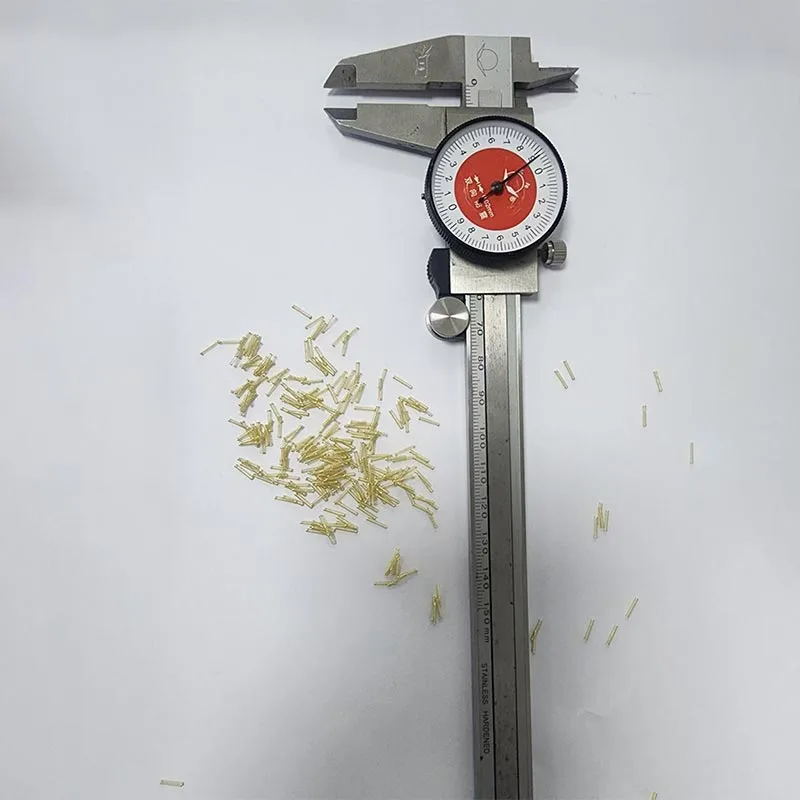
Installation Performance Comparison by Enclosure Material
Based on Qiyiguo’s third-party verified test data, the table below lists the performance of different installation methods for the EMI Conductive Spring on common enclosure materials:
| Enclosure Material | Recommended Installation Method | Maximum Pull-out Force | Long-term Contact Resistance |
|---|---|---|---|
| Anodized aluminum alloy | Screw mounting with conductive gasket | ≥ 80N | ≤ 5mΩ |
| Stainless steel enclosure | Spot welding with dedicated fixture | ≥ 65N | ≤ 3mΩ |
| ABS/PC engineering plastic | Conductive adhesive bonding + positioning pin | ≥ 45N | ≤ 10mΩ |
| Die-cast zinc alloy | Snap-in pre-groove installation | ≥ 70N | ≤ 4mΩ |
Core Verified Installation Best Practices
- Screw locking for rigid metal enclosures: Drill precision positioning holes on the aluminum or zinc alloy enclosure surface, pass the screw through the fixed mounting hole at the base of the EMI Conductive Spring, and add a thin conductive silicone gasket between the spring base and the enclosure surface. This method not only provides extremely high fixation strength but also ensures continuous low-resistance electrical contact even under severe vibration conditions.
- Spot welding for stainless steel shells: Use a precision pulse spot welder with dedicated copper electrodes to weld the two positioning lugs at the bottom of the EMI Conductive Spring directly to the polished stainless steel surface. This installation method leaves no protruding fasteners on the enclosure surface, which is ideal for compact electronic devices with strict space constraints.
- Conductive adhesive bonding for plastic enclosures: First polish the local installation area on the plastic enclosure and apply a layer of silver-plated copper conductive paint, then use epoxy-based conductive adhesive to bond the base of the EMI Conductive Spring to the treated surface. Add two 2mm plastic positioning pins on both sides to provide extra positional accuracy during the adhesive curing process.
- Snap-in groove installation for mass production: Pre-mill a precise U-shaped positioning groove on the die-cast metal enclosure during the machining stage. The bottom of the EMI Conductive Spring can be directly pressed into the groove to complete the fixation without any extra fasteners, which can reduce the single installation time to less than 2 seconds for high-volume assembly lines.
EMI Conductive Spring FAQ
Q: What common mistakes will cause the shielding performance of the screw-mounted EMI Conductive Spring to drop significantly?
A: If designers use ordinary non-conductive flat gaskets between the spring base and the enclosure, the metal-to-metal conductive path will be completely cut off, leading to a sharp rise in contact resistance, which will reduce the overall EMI shielding effectiveness by more than 30dB in the high-frequency band above 3GHz.
Q: Can ordinary non-conductive double-sided foam tape be used to fix the EMI Conductive Spring on plastic enclosure surfaces?
A: No. Ordinary non-conductive tape cannot form a continuous conductive path between the spring and the conductive paint layer on the plastic enclosure. This will break the integrity of the entire EMI shielding loop, making the EMI Conductive Spring lose more than 60% of its designed shielding performance.
Q: What is the maximum operating temperature range for the spot-welded EMI Conductive Spring installation structure?
A: The spot welding connection structure of a qualified beryllium copper EMI Conductive Spring can maintain stable fixation and conductivity within the temperature range from -40℃ to 125℃, which fully meets the long-term operation requirements of automotive electronics and outdoor communication base station equipment.
As a professional EMI shielding component manufacturer, Qiyiguo provides every batch of EMI Conductive Spring with a dedicated installation guide and free process testing support. Contact us today to get customized installation solution and free sample testing service, to ensure your electronic products achieve the designed EMI shielding performance in mass production.
