

What Is Cylinder Forging And Shaft Forging?
2026-03-04
In heavy industry and precision manufacturing, strength, durability, and dimensional accuracy are critical to product performance. Cylinder Forging And Shaft Forging are two essential forging processes widely used in sectors such as oil & gas, petrochemical, marine engineering, power generation, and heavy machinery. These forged components often operate under high pressure, torque, and extreme environmental conditions. Therefore, selecting the right forging method directly affects safety, service life, and cost efficiency.
At Jiangyin Huaxi Flange Pipe Fittings Co., Ltd., we specialize in providing high-quality forged components engineered for demanding industrial applications. With advanced forging equipment, strict quality control systems, and experienced metallurgical expertise, we deliver reliable solutions tailored to your operational needs.
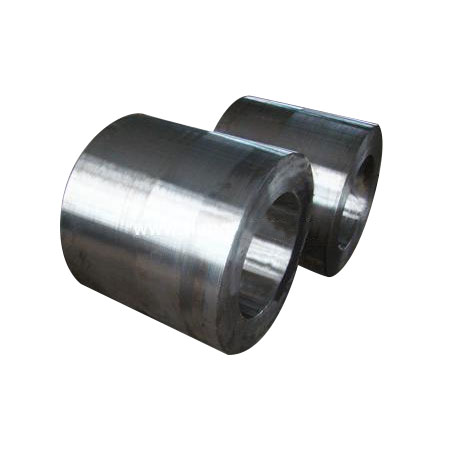
What Is Cylinder Forging?
Cylinder forging refers to the process of shaping metal billets into cylindrical forms through compressive force. The forging process refines the internal grain structure, eliminating porosity and improving mechanical strength.
Key Characteristics of Cylinder Forging:
-
Uniform grain flow along the cylindrical axis
-
High resistance to internal pressure
-
Excellent fatigue performance
-
Superior structural integrity
Common Applications:
-
Pressure vessels
-
Hydraulic cylinders
-
Large flanges
-
Reactor shells
-
Pipeline connectors
Cylinder forgings are particularly suitable for components exposed to internal pressure and thermal stress. The forging process enhances density and eliminates internal defects that are common in cast components.
What Is Shaft Forging?
Shaft forging involves shaping metal into elongated cylindrical components designed to transmit torque and rotational force. The forging process aligns the grain structure along the shaft length, increasing torsional strength and impact resistance.
Key Characteristics of Shaft Forging:
-
Enhanced torsional strength
-
High wear resistance
-
Improved load-bearing capacity
-
Reduced risk of fatigue cracks
Common Applications:
-
Drive shafts
-
Transmission shafts
-
Pump shafts
-
Turbine rotors
-
Marine propeller shafts
Shaft forging is essential when rotational accuracy and mechanical strength are required. Compared to machining from rolled bars, forged shafts provide superior structural consistency.
Cylinder Forging And Shaft Forging: What Are the Differences?
Although both processes belong to metal forging, their design purpose and mechanical focus differ.
| Feature | Cylinder Forging | Shaft Forging |
|---|---|---|
| Shape | Thick-walled cylindrical | Long slender cylindrical |
| Primary Function | Withstand internal pressure | Transmit torque |
| Grain Flow Direction | Radial/axial | Longitudinal |
| Main Stress Type | Pressure & compression | Torsion & bending |
| Typical Industries | Oil & Gas, Petrochemical | Marine, Automotive, Power |
Understanding these differences helps engineers choose the correct component type for their projects.
Why Is Cylinder Forging And Shaft Forging Important in Modern Industry?
1. Enhanced Mechanical Strength
Forging refines grain structure, improving tensile strength, impact resistance, and fatigue life.
2. Improved Reliability
Forged components reduce the risk of catastrophic failure in critical applications such as offshore drilling or high-speed turbines.
3. Cost Efficiency Over Lifecycle
Although forging may involve higher initial production costs than casting, the extended service life significantly reduces maintenance and replacement expenses.
4. Customization Flexibility
Forging allows tailored dimensions, materials, and heat treatment options based on operational requirements.
At Jiangyin Huaxi Flange Pipe Fittings Co., Ltd., we combine traditional forging expertise with modern CNC machining to ensure dimensional accuracy and consistent quality.
What Materials Are Used in Cylinder Forging And Shaft Forging?
Material selection depends on load, temperature, corrosion resistance, and regulatory standards.
Common materials include:
-
Carbon steel (ASTM A105)
-
Alloy steel (4140, 4340)
-
Stainless steel (304, 316)
-
Duplex stainless steel
-
Nickel-based alloys
Each material undergoes strict chemical composition analysis and ultrasonic testing to ensure structural integrity.
What Are the Advantages Over Casting or Fabrication?
Compared to casting or welded fabrication, Cylinder Forging And Shaft Forging offer:
-
Higher density and fewer internal voids
-
Better mechanical uniformity
-
Stronger grain continuity
-
Improved impact resistance
Forged components are especially suitable for high-pressure and high-rotation environments where safety is non-negotiable.
How Does Jiangyin Huaxi Flange Pipe Fittings Co., Ltd. Ensure Quality?
We implement a comprehensive quality control system:
-
Raw material inspection
-
Controlled heating and forging temperature
-
Precise deformation ratio management
-
Heat treatment optimization
-
Ultrasonic and magnetic particle testing
-
Dimensional CNC finishing
Our production facilities are equipped to handle small to large-diameter forgings, ensuring flexibility for custom orders.
How to Choose Between Cylinder Forging And Shaft Forging?
When selecting between the two, consider:
-
Load type (pressure vs torque)
-
Operating temperature
-
Required mechanical properties
-
Industry compliance standards
-
Cost-performance ratio
Our engineering team works closely with clients to analyze drawings and recommend the optimal forging solution.
Future Trends in Forging Technology
The forging industry is moving toward:
-
Automated forging lines
-
Simulation-based design optimization
-
Advanced alloy development
-
Green and energy-efficient production
By investing in modern equipment and technical research, Jiangyin Huaxi Flange Pipe Fittings Co., Ltd. remains competitive in the global market.
Conclusion
Cylinder Forging And Shaft Forging play a crucial role in ensuring strength, reliability, and operational safety across multiple heavy industries. While cylinder forgings excel in pressure resistance, shaft forgings dominate in torque transmission applications. Choosing the right forging method directly impacts equipment performance and long-term profitability.
If you are looking for high-quality, customized forged components with strict quality assurance and competitive pricing, Jiangyin Huaxi Flange Pipe Fittings Co., Ltd. is your trusted partner. Our experienced engineers are ready to support your project with professional solutions and efficient production.
For detailed technical consultation and quotation support, contact us today to discuss how we can meet your specific Cylinder Forging And Shaft Forging requirements.
