

What is the difference between a float switch and a pressure switch
2026-01-15
When selecting the right control device for liquid level or pressure management, the choice often narrows down to a Float Switch and a pressure switch. While both serve as crucial sentinels in industrial and residential systems, their operating principles and applications differ significantly. At ZEN Machinery, we specialize in providing reliable and efficient control solutions, helping you understand and choose the correct component for your specific needs.
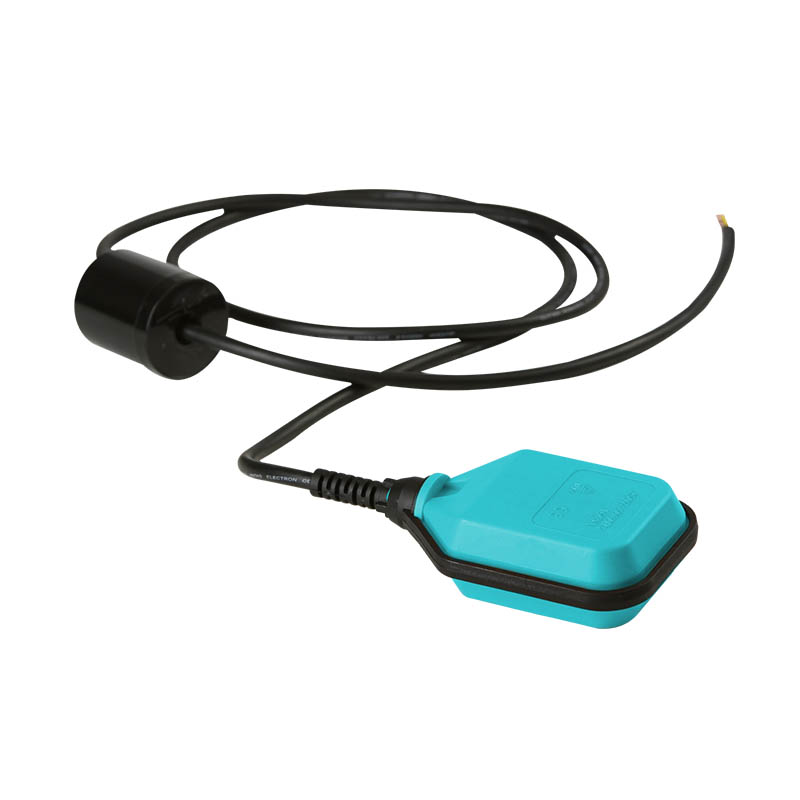
The core difference lies in what each device senses and activates.
-
A Float Switch is a level sensor. It uses a buoyant float that rises and falls with the liquid level. This mechanical movement directly opens or closes an internal electrical circuit to control a pump, alarm, or other device.
-
A Pressure Switch is a pressure sensor. It contains a diaphragm or piston that reacts to changes in system pressure (e.g., from water or air). When the pressure reaches a preset "cut-in" or "cut-out" point, the diaphragm moves to activate the electrical switch.
Float Switch vs. Pressure Switch: Key Comparison
| Feature | Float Switch | Pressure Switch |
|---|---|---|
| Sensed Parameter | Liquid Level | System Pressure |
| Primary Mechanism | Mechanical Float | Pressure Diaphragm/Piston |
| Typical Applications | Sump Pumps, Tanks, Basins, Reservoirs | Well Pumps, Boilers, Air Compressors, Hydraulic Systems |
| Installation Consideration | Requires vertical space for float movement | Installed inline with the pressure system |
Float Switch FAQ Common Questions
Q: Can a float switch control two different functions, like turning a pump on and off?
A: Yes. A multi-level float switch, often with multiple floats or a single float with several setpoints, can be configured to activate at different heights. For example, one level can start a pump at a high water mark, and another can stop it at a low level.
Q: How do I know if my float switch has failed?
A: Common signs include the pump not activating when the liquid level is high, running continuously, or cycling on/off erratically. Testing can often be done by manually lifting the float arm. If the pump doesn't respond, the switch or its wiring may be faulty.
Q: Are float switches suitable for all types of liquids?
A: Not always. The liquid's properties are critical. For clean water, standard plastic floats work. For corrosive chemicals, oily fluids, or wastewater with debris, you need a switch with compatible materials (like stainless steel) and a design (like a vertical magnetic float switch) that prevents clogging.
Choosing the correct switch is vital for system reliability, safety, and efficiency. A Float Switch is your go-to for direct level control, while a pressure switch is essential for managing system pressure. For expert guidance and robust, high-quality control components, trust the experience of ZEN Machinery. Our team can help you select, install, and maintain the perfect switch for your application. Contact us today to discuss your project requirements and ensure your systems operate flawlessly.
