

What Is the Process for Designing Precision Metal Stamping Parts
2025-12-24
Designing Precision Stamping Parts is a meticulous engineering journey that transforms raw materials into reliable, high-tolerance components critical for industries like automotive, electronics, and aerospace. It's far more than just creating a shape; it's a comprehensive process of foresight, simulation, and refinement to ensure manufacturability, performance, and cost-effectiveness. At ZHIHEXING, we embed our deep manufacturing expertise directly into the design phase, ensuring every part is optimized for success long before the first tool is cut.
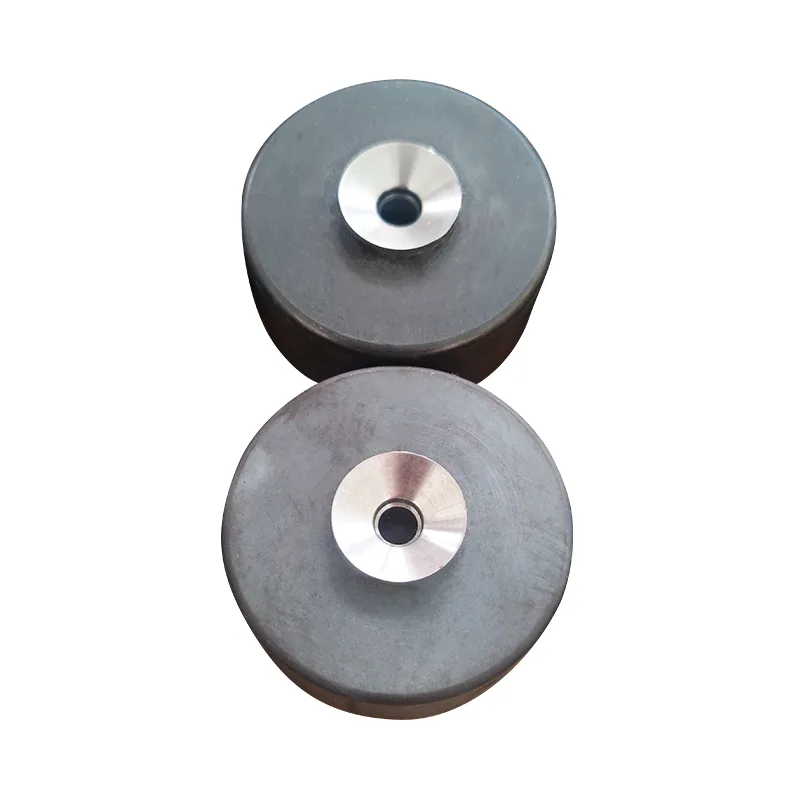
A Step-by-Step Breakdown of the Design Process
The engineering design process for metal stamping is structured to mitigate risks and achieve precision. Here is a typical workflow:
-
Requirement Analysis & Feasibility Study: We begin by thoroughly understanding the part's function, load requirements, and assembly environment. Concurrently, our engineers assess material selection, potential forming challenges, and initial cost projections.
-
Conceptual & 3D CAD Design: A detailed 3D model is created. This digital prototype defines all dimensions, geometries, and critical tolerances.
-
Design for Manufacturability (DFM) Review: This is a crucial phase where ZHIHEXING expertise shines. We analyze the design for potential issues in stamping, such as material stretch, tear risks, or unnecessary complexity, and suggest optimizations.
-
Tooling & Process Design: The part design dictates the die design. Engineers plan the number of stations (progressive die) or steps (transfer die), strip layout, and all necessary forming sequences.
-
Prototype & Validation: A sample batch is produced using soft tools or initial die setups. These parts undergo rigorous dimensional inspection and functional testing.
Key Design Considerations Table
| Consideration | Impact on Part Design |
|---|---|
| Material Selection | Determines formability, strength, corrosion resistance, and final cost. |
| Bend Radius & Tolerances | Affects part integrity and prevents material fracture; tight tolerances require advanced tooling. |
| Hole & Notch Placement | Must account for material flow and distortion during punching to maintain accuracy. |
| Surface Finish Requirements | Influences tool polish level and may require secondary operations. |
Precision Stamping Parts FAQ
Q: What are the most critical factors to consider during the design phase for cost reduction?
A: The most critical factors are optimizing the blank shape to minimize material scrap, simplifying geometries to reduce complex die features, and specifying realistic tolerances. Over-specifying tight tolerances on non-critical features significantly increases tooling and production costs without adding value.
Q: How does material choice impact the design of Precision Stamping Parts?
A: Material choice is fundamental. The metal's grain direction, ductility, and springback characteristics directly influence design parameters like minimum bend radii, hole proximity to edges, and the need for over-bending to achieve the final angle. A design perfect for stainless steel may fail with aluminum.
Q: Why is a DFM review with the manufacturer so important?
A: A Design for Manufacturability (DFM) review bridges the gap between design intent and production reality. An experienced manufacturer like ZHIHEXING can identify potential production hurdles—such as splits, wrinkles, or excessive tool wear—early in the process. This collaboration leads to a robust design that is easier, faster, and more economical to produce at scale, ensuring the reliability of your Precision Stamping Parts.
Mastering the design process is the cornerstone of producing flawless, high-performance Precision Stamping Parts. It requires a seamless blend of advanced engineering and practical manufacturing insight. For your next project, partner with a team that builds expertise into every design detail.
Ready to transform your component idea into a precision-engineered reality? Contact the design and engineering experts at ZHIHEXING today for a comprehensive DFM analysis and quote.
