

What Maintenance Practices Help Reduce Wear in Tractor Hydraulic Cylinders?
2026-10-23
A farm repair technician opens two Tractor Hydraulic Cylinders on the same day. Both are from the same model of tractor and both are about three years old. The first cylinder has a scored piston rod and a leaking rod seal. The second cylinder has a rusted bore and a cracked end cap. The technician asks the farmers about their maintenance routines. The first farmer changes the hydraulic oil every 500 hours and keeps the tractor shed dry. The second farmer has never changed the oil and leaves the tractor outdoors with the cylinder rods exposed. The failures are different, but the root cause is the same: contamination and moisture. This guide explains the maintenance practices that reduce wear in Tractor Hydraulic Cylinders.
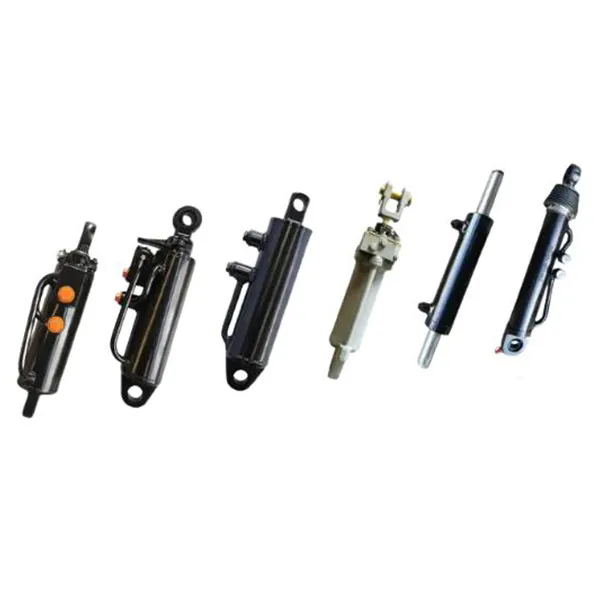
1. Why Does Hydraulic Oil Contamination Cause the Most Wear?
Hydraulic oil carries the force that moves the cylinder. It also carries the particles that wear the cylinder. The clearance between the piston and the bore is 0.05 to 0.15 mm. Particles larger than this clearance act as abrasives. They scratch the bore, score the piston, and damage the seals. The most common sources of contamination are dust entering through the breather, wear debris from the pump, and water condensation in the reservoir. The table below shows the effect of oil cleanliness on cylinder life.
| ISO 4406 cleanliness code | Particle count (per ml, >4 µm) | Relative cylinder life | Typical source |
| 18/16/13 | 1,300 – 2,500 | 100% (baseline) | New oil, clean system |
| 20/18/15 | 5,000 – 10,000 | 60 – 70% | Normal field use |
| 22/20/17 | 20,000 – 40,000 | 30 – 40% | Neglected oil, dust ingress |
| > 22/20/17 | > 40,000 | < 20% | Failed breather, water contamination |
In our factory, we recommend that Tractor Hydraulic Cylinders be used with oil that meets ISO 4406 code 18/16/13 or better. We also recommend installing a 10-micron return filter and changing the filter every 250 hours. Raydafon Technology Group Co.,Limited has been manufacturing Tractor Hydraulic Cylinders for over 20 years and provides oil cleanliness recommendations for each application.
2. How Does Wiper Seal Failure Lead to Piston Rod Damage?
The wiper seal is the first line of defense for the piston rod. It is located at the rod end of the cylinder and wipes the rod as it retracts. The wiper removes dust, mud, and crop residue before they reach the rod seal. If the wiper is worn, torn, or missing, the contaminants reach the rod seal and the rod surface. The contaminants act as abrasives and score the chrome plating. Once the chrome is damaged, the rod seal cannot maintain a seal, and the cylinder leaks. The table below shows the effect of wiper condition on rod wear.
| Wiper condition | Contaminant ingress | Rod wear rate | Rod seal life |
| New, flexible lip | None | Baseline | 3,000 – 5,000 hours |
| Worn lip (50% thickness) | Moderate | 3x baseline | 1,500 – 2,500 hours |
| Hardened lip | High | 8x baseline | 600 – 1,000 hours |
| Missing wiper | Severe | 15x baseline | 200 – 400 hours |
Repair technician's note: In our workshop, we have seen piston rods that were destroyed in less than 500 hours because the wiper was torn during installation. The wiper lip was folded back, which allowed dust to bypass the seal. The rod surface showed deep circumferential scratches in the area where the wiper should have been wiping. This is a preventable failure. We recommend that the wiper be lubricated with silicone grease before installation and that the rod be protected during assembly. We also recommend inspecting the wiper every 500 hours and replacing it if the lip is worn or hardened.
3. How Does Moisture Contamination Cause Bore Corrosion?
Water enters the hydraulic system through condensation, through the breather, and through damaged seals. Water in the oil causes two problems. First, it reduces the lubricity of the oil, which increases wear on the piston and the rod seal. Second, it causes corrosion of the steel components. The bore of a Tractor Hydraulic Cylinders is made from honed steel tube. If water is present, the bore can rust, especially when the tractor is stored for long periods. The rust pits the bore and damages the piston seal. The table below shows the effect of water content on cylinder life.
| Water content (ppm) | Oil appearance | Corrosion risk | Recommended action |
| < 200 | Clear | Low | Normal maintenance |
| 200 – 500 | Slightly hazy | Moderate | Change oil; check breather |
| 500 – 1,000 | Cloudy | High | Change oil; replace filter; inspect seals |
| > 1,000 | Milky | Severe | Flush system; replace oil; inspect for corrosion |
In our factory, we recommend that the hydraulic oil be tested for water content every 500 hours. If the water content exceeds 500 ppm, the oil should be changed and the source of the water should be identified. We also recommend that the tractor be stored with the cylinder rods fully retracted. This protects the chrome surface from rain and condensation. Raydafon Technology Group Co.,Limited provides a storage recommendation guide with every cylinder.
4. What Service Intervals Are Recommended for Different Field Conditions?
The service interval for Tractor Hydraulic Cylinders depends on the field conditions. A tractor used in dusty conditions, such as tillage or harvest, requires more frequent service than a tractor used for transport on paved roads. The table below shows the recommended service intervals for different conditions.
| Field condition | Oil change interval | Wiper inspection | Rod inspection | Seal replacement |
| Clean, paved road use | 1,000 hours | 1,000 hours | 500 hours | 5,000 hours |
| Normal field use (mixed) | 500 hours | 500 hours | 250 hours | 3,000 hours |
| Dusty conditions (tillage, harvest) | 250 hours | 250 hours | 100 hours | 1,500 – 2,000 hours |
| Wet, muddy conditions | 250 hours | 250 hours | 100 hours | 1,500 – 2,000 hours |
| Coastal or high-humidity | 250 hours | 250 hours | 100 hours | 1,500 hours |
In our factory, we provide a maintenance log with every Tractor Hydraulic Cylinders order. The log allows the farmer or the technician to record the service dates and the condition of the components. Raydafon Technology Group Co.,Limited also offers a maintenance training program for farm repair technicians.
Frequently Asked Questions About Reducing Wear in Tractor Hydraulic Cylinders
Summary for Farm Repair Technicians and Tractor Owners
Reducing wear in Tractor Hydraulic Cylinders requires attention to three areas: oil cleanliness, wiper seal protection, and moisture control. Contaminated oil is the leading cause of bore and piston wear. A worn wiper seal allows dust to damage the piston rod. Moisture causes bore corrosion and reduces oil lubricity. The service intervals should be matched to the field conditions, with shorter intervals for dusty, wet, or coastal environments. By following these practices, farmers can extend the life of their cylinders from two years to five years or more. Raydafon Technology Group Co.,Limited has been manufacturing Tractor Hydraulic Cylinders for over 20 years and provides full maintenance support for our customers.
Raydafon Technology Group Co.,Limited manufactures Tractor Hydraulic Cylinders with hard chrome piston rods, honed bores, and high-quality wiper seals. We provide maintenance logs, oil analysis recommendations, and field repair guides for all of our products.
