

What Makes an Agriculture Bevel Gearbox Speed Reducer Essential for Modern Farming Equipment?
2026-10-27
Agricultural machinery operates in demanding environments where reliable power transmission, stable speed control, and efficient torque conversion are essential. From tractors and rotary tillers to irrigation systems and harvesting equipment, every mechanical component contributes to overall productivity. An Agriculture Bevel Gearbox Speed Reducer helps agricultural machines transmit power between intersecting shafts while reducing rotational speed and increasing output torque. By combining bevel gear transmission with speed reduction, this component supports smooth operation, dependable performance, and efficient power utilization. For equipment manufacturers and agricultural machinery suppliers, selecting the right gearbox is an important step toward improving machine reliability and reducing maintenance requirements.
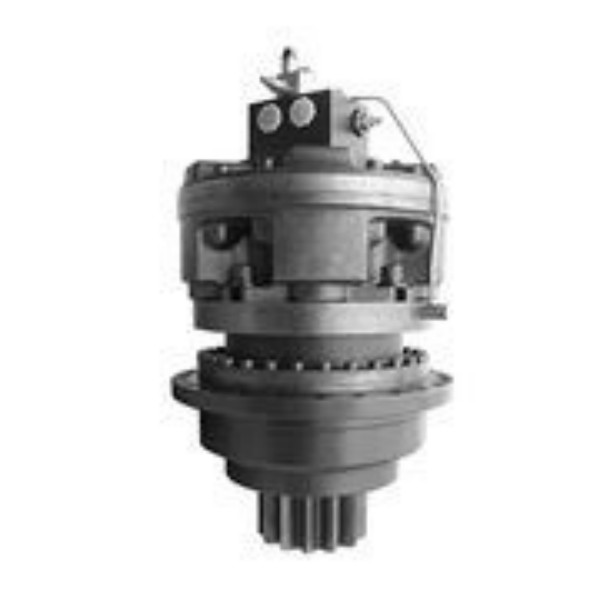
What Is an Agriculture Bevel Gearbox Speed Reducer?
An Agriculture Bevel Gearbox Speed Reducer is a mechanical transmission device designed to change the direction of power transmission and adjust rotational speed. Bevel gears are commonly used when power must be transferred between intersecting shafts, often at a right angle. The reduction mechanism lowers the output speed while increasing torque, allowing agricultural machinery to perform tasks that require controlled movement and sufficient driving force.
Depending on its design, the gearbox may incorporate straight bevel gears, spiral bevel gears, or other suitable transmission configurations. The appropriate structure depends on operating speed, torque requirements, installation space, and the working conditions of the agricultural equipment.
Its main functions include:
-
Speed reduction: Converts high input speeds into more suitable output speeds for agricultural operations.
-
Torque amplification: Provides greater output torque to support demanding mechanical tasks.
-
Power direction change: Transfers rotational power between shafts arranged at an angle.
-
Operational stability: Helps maintain controlled and consistent mechanical movement.
-
Equipment integration: Supports compact transmission arrangements in machinery with limited installation space.
Why Does It Matter in Agricultural Machinery?
Agricultural equipment frequently operates under variable loads, changing soil conditions, dust exposure, and long working hours. These factors place considerable demands on transmission components. A properly selected bevel gearbox speed reducer helps machinery operate within its intended speed and torque range, improving the coordination of mechanical systems.
1. Improved Power Transmission Efficiency
Efficient power transmission helps minimize unnecessary energy losses between the power source and the working mechanism. Properly designed gears, accurate alignment, suitable lubrication, and appropriate bearing arrangements all contribute to reliable transmission performance.
For agricultural equipment manufacturers, these characteristics can help create machinery that uses available power more effectively while maintaining consistent operation.
2. Greater Output Torque for Heavy-Duty Tasks
Agricultural operations often require considerable force at relatively low speeds. Soil cultivation, crop processing, and material handling can place sudden or sustained loads on mechanical systems.
A speed reducer increases output torque according to its reduction ratio, allowing the connected mechanism to handle demanding tasks more effectively. Actual output torque depends on input torque, transmission efficiency, and the selected gear ratio.
3. More Stable Equipment Operation
Uncontrolled speed or inadequate torque can affect working quality and increase stress on connected components. A suitable gearbox helps establish the required output speed and supports smoother operation under normal working conditions.
This is particularly important for agricultural machinery that requires consistent movement, coordinated mechanisms, or repeatable operating speeds.
4. Potentially Lower Maintenance Costs
A gearbox matched to its application can help reduce excessive mechanical stress and premature component wear. Appropriate lubrication, sealing, installation, and routine inspection further support its service life.
Although maintenance requirements vary by design and operating environment, choosing a suitable transmission solution can help reduce unexpected downtime and improve equipment availability.
Where Is an Agriculture Bevel Gearbox Speed Reducer Used?
The versatility of bevel gear transmission makes it suitable for various agricultural applications. The specific gearbox configuration should always match the machine's power requirements, working speed, and installation conditions.
| Agricultural Application | Main Function | Potential Benefit |
|---|---|---|
| Rotary tillers | Transfers power to rotating working components | Supports controlled rotation and soil cultivation |
| Agricultural sprayers | Drives selected mechanical transmission systems | Helps maintain the required operating speed |
| Irrigation equipment | Transmits power through angled shaft arrangements | Supports reliable mechanical operation |
| Harvesting machinery | Powers auxiliary drive mechanisms | Helps coordinate working components |
| Feed processing equipment | Drives mixing or processing mechanisms | Provides suitable output torque and speed |
| Agricultural conveyors | Transfers power to material-handling systems | Supports consistent material movement |
These applications illustrate the gearbox's versatility. However, not every agricultural machine requires a bevel gearbox. Shaft geometry, load characteristics, available space, and the required transmission ratio should guide the selection process.
Which Factors Should You Consider When Choosing a Gearbox?
Selecting an Agriculture Bevel Gearbox Speed Reducer involves more than comparing dimensions or purchase prices. Buyers should evaluate the complete operating requirements to ensure that the gearbox is compatible with the equipment and its working environment.
1. Gear Ratio and Output Speed
The gear ratio determines the relationship between input speed and output speed. For a reduction ratio of 3:1, an input speed of 900 rpm produces a theoretical output speed of approximately 300 rpm, assuming the ratio is defined as input speed divided by output speed.
The required ratio should be determined by the operating speed of the driven component and the characteristics of the power source.
2. Rated Torque and Load Capacity
Rated torque must meet the machine's operating requirements, including anticipated load variations. Buyers should also consider starting loads, intermittent overloads, and continuous-duty conditions.
Selecting a gearbox with insufficient capacity may lead to excessive wear or premature failure. An unnecessarily oversized unit, on the other hand, may increase equipment cost and installation demands.
3. Gear Material and Manufacturing Quality
Gear materials, heat treatment, tooth geometry, and machining accuracy influence transmission performance and durability. High-quality manufacturing helps maintain proper gear engagement and reduces the risk of abnormal noise, vibration, and excessive wear.
For agricultural equipment operating in challenging environments, these considerations are especially important.
4. Environmental Protection and Lubrication
Dust, moisture, mud, and temperature fluctuations can affect gearbox performance. Appropriate housing protection, shaft sealing, lubricant selection, and maintenance intervals help protect internal components.
Buyers should verify the manufacturer's recommendations for lubrication, operating temperature, and environmental suitability before installation.
5. Mounting and Customization Requirements
Installation dimensions, shaft diameter, shaft orientation, mounting position, and connection type all influence compatibility. For OEM projects, customized specifications may be necessary to integrate the gearbox into a particular agricultural machine.
Providing accurate technical drawings and operating parameters helps manufacturers evaluate the most appropriate configuration.
How Does the Right Gearbox Improve Agricultural Productivity?
The right transmission solution contributes to agricultural productivity by helping equipment deliver the required speed and torque with dependable mechanical performance. Its value extends beyond the gearbox itself.
First, stable transmission helps machinery maintain consistent working conditions. Second, suitable torque capacity reduces the likelihood of operating the transmission beyond its intended limits. Third, durable construction and appropriate maintenance can reduce equipment downtime and associated service expenses.
For machinery manufacturers, these benefits can support product reliability and customer satisfaction. For distributors and agricultural equipment operators, they can contribute to more predictable equipment performance over the machine's service life.
Nevertheless, gearbox performance depends on the complete drive system. Motor or engine characteristics, alignment, installation quality, lubrication, and operating practices must all be considered when evaluating the final result.
Why Work with Ningbo CCMS Industrial Co., Ltd.?
Choosing a transmission supplier is an important decision for agricultural machinery manufacturers, equipment distributors, and industrial buyers. Beyond product specifications, buyers should consider technical communication, dimensional compatibility, quality consistency, and the supplier's ability to support project requirements.
Ningbo CCMS Industrial Co., Ltd. is a potential sourcing partner for businesses evaluating industrial transmission components and agricultural gearbox solutions. When assessing an Agriculture Bevel Gearbox Speed Reducer for an OEM project or equipment replacement, buyers should communicate their operating requirements clearly and confirm the available specifications with the supplier.
Before placing an order, consider discussing the following details:
-
Required input power, speed, and output torque.
-
Desired gear ratio and shaft configuration.
-
Installation dimensions and mounting requirements.
-
Operating environment and expected duty cycle.
-
Lubrication, sealing, and maintenance requirements.
-
Available customization options, quality documentation, and delivery arrangements.
A detailed technical discussion helps both parties establish realistic performance expectations and identify a gearbox configuration that suits the intended application.
Conclusion
An Agriculture Bevel Gearbox Speed Reducer plays an important role in agricultural machinery by changing the direction of power transmission, reducing rotational speed, and increasing output torque. When selected according to actual operating conditions, it can support reliable power delivery, stable machine operation, and effective equipment integration.
For agricultural machinery manufacturers and B2B buyers, evaluating gear ratio, torque capacity, gear quality, environmental protection, and mounting compatibility is essential to making an informed purchasing decision.
If you are sourcing an Agriculture Bevel Gearbox Speed Reducer for agricultural equipment manufacturing, machinery upgrades, or OEM projects, contact us at Ningbo CCMS Industrial Co., Ltd. to discuss your technical requirements, explore suitable gearbox configurations, and identify a transmission solution aligned with your application and purchasing objectives.
