

What Makes Petrochemical Heat Exchange Equipment Essential for Modern Industrial Processing?
2026-05-26
In the modern petrochemical industry, energy efficiency, operational stability, and production safety are critical factors that determine the success of industrial plants. Among the many systems used in refining and chemical production, Petrochemical Heat Exchange Equipment plays a vital role in maintaining temperature control, improving energy recovery, and enhancing production efficiency. Whether in crude oil refining, gas processing, or chemical manufacturing, heat exchangers help transfer thermal energy effectively while reducing operational costs.
As industrial technology continues to evolve, companies are increasingly looking for durable, high-performance, and energy-saving solutions. This is why advanced Petrochemical Heat Exchange Equipment has become an indispensable component in petrochemical operations worldwide. With years of manufacturing expertise, Jiangyin Daniel Cooler Co., Ltd. provides reliable and customized heat exchange solutions designed to meet the demanding requirements of modern industries.
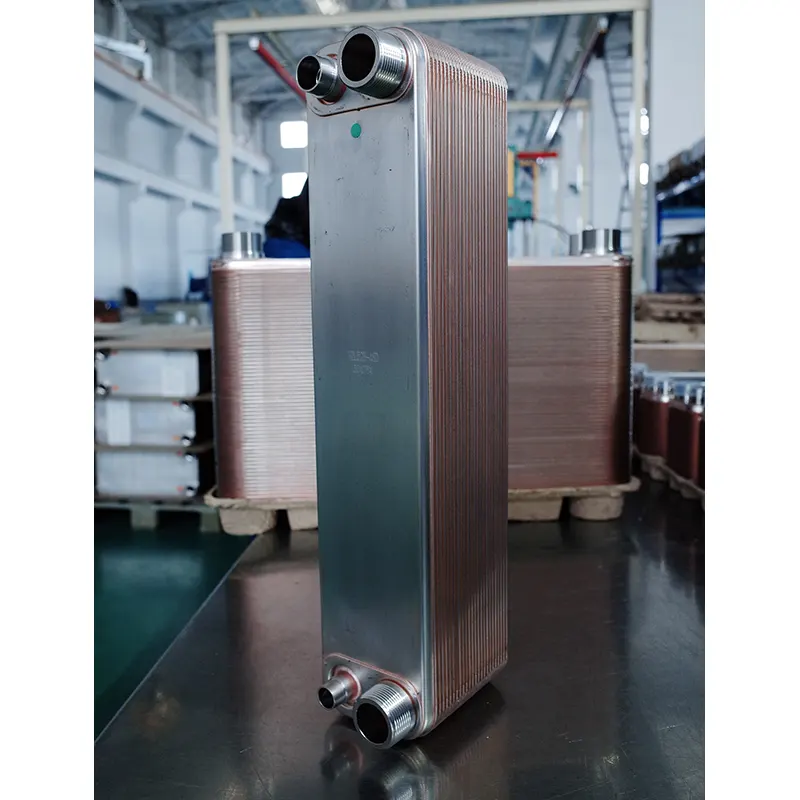
Understanding Petrochemical Heat Exchange Equipment
Petrochemical Heat Exchange Equipment refers to specialized devices used to transfer heat between fluids, gases, or process streams without direct mixing. These systems are widely used in:
- Oil refineries
- Chemical plants
- Natural gas processing facilities
- Power stations
- Offshore platforms
- Industrial cooling systems
The main purpose of heat exchange equipment is to optimize thermal efficiency while maintaining stable production conditions.
Main Functions of Heat Exchange Equipment
| Function | Description |
|---|---|
| Heat Transfer | Transfers heat between two or more fluids |
| Energy Recovery | Reuses waste heat to reduce energy consumption |
| Temperature Regulation | Maintains optimal operating temperatures |
| Equipment Protection | Prevents overheating and system damage |
| Process Efficiency | Enhances productivity and operational stability |
Why Is Petrochemical Heat Exchange Equipment Important?
1. Improving Energy Efficiency
Energy consumption is one of the largest operational costs in petrochemical plants. Efficient Petrochemical Heat Exchange Equipment helps recycle thermal energy from hot process streams and reuse it elsewhere in the production cycle.
Benefits include:
- Reduced fuel consumption
- Lower electricity costs
- Improved thermal performance
- Reduced environmental impact
Modern industries are increasingly focused on sustainability, making energy-efficient heat exchangers more valuable than ever.
2. Enhancing Production Stability
Temperature fluctuations can negatively affect chemical reactions and production quality. High-quality Petrochemical Heat Exchange Equipment ensures precise temperature control throughout industrial processes.
Stable temperature control helps:
- Improve product consistency
- Prevent production interruptions
- Reduce equipment stress
- Increase overall plant reliability
This is particularly important in high-temperature and high-pressure petrochemical environments.
3. Extending Equipment Lifespan
Industrial systems operate under harsh conditions involving corrosive chemicals, high pressure, and extreme temperatures. Advanced heat exchange systems help reduce excessive thermal stress on machinery.
Proper thermal management can:
- Reduce maintenance frequency
- Prevent corrosion-related failures
- Extend operational lifespan
- Lower replacement costs
Jiangyin Daniel Cooler Co., Ltd. focuses on producing durable solutions using high-quality materials suitable for demanding industrial environments.
Common Types of Petrochemical Heat Exchange Equipment
Different industrial applications require different heat exchanger designs. Below are some commonly used types.
Shell and Tube Heat Exchangers
These are among the most widely used heat exchangers in petrochemical industries.
Advantages:
- Excellent for high-pressure applications
- Strong corrosion resistance
- Suitable for large-scale operations
- Easy maintenance
Applications:
- Oil refining
- Chemical processing
- Steam systems
Plate Heat Exchangers
Plate heat exchangers use thin metal plates to transfer heat efficiently.
Advantages:
- Compact structure
- High heat transfer efficiency
- Lower installation space requirements
- Easy cleaning
Applications:
- Cooling systems
- Water treatment
- Low-viscosity fluid processing
Air Cooled Heat Exchangers
These systems use ambient air to cool process fluids without consuming large amounts of water.
Advantages:
- Water-saving solution
- Low operating costs
- Environmentally friendly
- Suitable for remote locations
Applications:
- Gas processing plants
- Offshore petrochemical platforms
- Desert industrial facilities
Key Features of High-Quality Petrochemical Heat Exchange Equipment
When selecting Petrochemical Heat Exchange Equipment, industries usually focus on several important performance factors.
Important Selection Criteria
| Feature | Importance |
|---|---|
| Corrosion Resistance | Ensures long-term durability |
| Thermal Efficiency | Reduces energy consumption |
| Pressure Resistance | Supports high-pressure operations |
| Material Quality | Improves reliability |
| Maintenance Convenience | Reduces downtime |
| Customization Capability | Meets specific industrial needs |
Jiangyin Daniel Cooler Co., Ltd. provides customized manufacturing solutions based on various industrial operating conditions and customer requirements.
Industries That Depend on Petrochemical Heat Exchange Equipment
Oil Refining Industry
Refineries require efficient thermal management systems for distillation, cracking, and fuel processing operations. Heat exchangers help optimize refining efficiency while maintaining safe operating temperatures.
Chemical Manufacturing
Chemical reactions often require precise temperature control. Reliable Petrochemical Heat Exchange Equipment ensures consistent production quality and operational safety.
Natural Gas Processing
Natural gas plants use heat exchangers to cool, condense, and separate gas components during processing.
Power Generation
Power plants rely on heat exchange systems for steam condensation, cooling operations, and energy recovery processes.
How Advanced Technology Improves Heat Exchange Performance
Modern industrial heat exchangers now incorporate advanced engineering technologies to improve performance and operational efficiency.
New Technology Trends
- Enhanced heat transfer surface designs
- Smart monitoring systems
- Automated temperature control
- Anti-corrosion coating technologies
- High-efficiency alloy materials
- Energy-saving structural optimization
These innovations help industries reduce operational costs while improving environmental sustainability.
Why Choose Jiangyin Daniel Cooler Co., Ltd.?
As a professional manufacturer in the industrial cooling and heat exchange sector, Jiangyin Daniel Cooler Co., Ltd. offers reliable and high-performance Petrochemical Heat Exchange Equipment for global customers.
Company Advantages
- Rich manufacturing experience
- Advanced production technology
- Strict quality control systems
- Customized engineering solutions
- Professional technical support
- Competitive pricing
- Fast delivery capability
The company is committed to providing durable, energy-efficient, and high-quality products that meet international industrial standards.
Maintenance Tips for Petrochemical Heat Exchange Equipment
Proper maintenance is essential for maintaining optimal system performance.
Recommended Maintenance Practices
- Regular cleaning of heat transfer surfaces
- Inspection for corrosion and leakage
- Monitoring operating pressure and temperature
- Replacing damaged seals and components
- Conducting periodic performance testing
Routine maintenance can significantly extend equipment lifespan and reduce unexpected downtime.
Future Development of Petrochemical Heat Exchange Equipment
The future of Petrochemical Heat Exchange Equipment is moving toward:
- Higher energy efficiency
- Intelligent automation
- Lower carbon emissions
- More compact designs
- Enhanced material technology
- Sustainable industrial solutions
As industries continue to prioritize environmental protection and operational efficiency, advanced heat exchange technology will remain a key component of industrial development.
Conclusion
In today's competitive industrial environment, Petrochemical Heat Exchange Equipment is essential for improving energy efficiency, ensuring production stability, and reducing operational costs. From oil refining to chemical processing, reliable heat exchange systems play a critical role in maintaining safe and efficient operations.
With strong manufacturing expertise and advanced engineering capabilities, Jiangyin Daniel Cooler Co., Ltd. continues to provide high-quality industrial heat exchange solutions for customers worldwide. If you are looking for durable, efficient, and customized Petrochemical Heat Exchange Equipment, we are ready to support your business needs.
Contact us today to learn more about our professional solutions and discover how Jiangyin Daniel Cooler Co., Ltd. can help improve your industrial performance.
